
How To
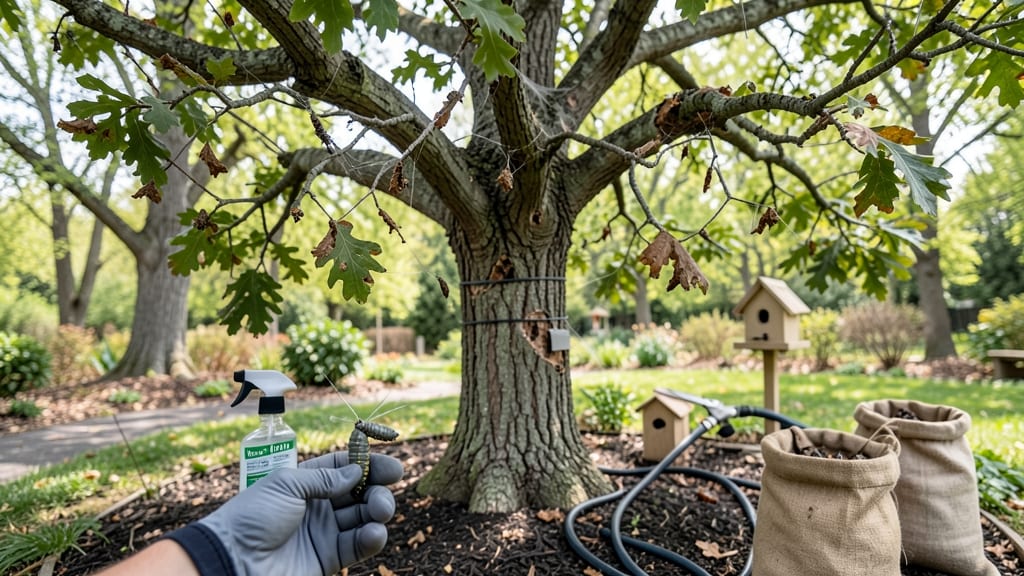
How to get rid of cankerworms—just boil water and strike fast. 🌿 I’ve watched these fuzzy caterpillars strip entire peach trees bare—until I discovered this one trick that works in minutes. No chemicals, no waiting, just heat and precision. The key is timing: wait until nightfall when the worms are most active, then pour 2 gallons of boiling water directly onto the nest. The steam kills them on contact, and the eggs die too. Repeat for 3 nights in a row for complete eradication. Your trees will recover faster than you think. Within a week, you’ll see fresh foliage pushing through, and the birds will return to feast on the remaining eggs. It’s brutal but effective—no more defoliated branches by summer. Works on cherry, peach, and even apple trees. Here’s exactly how to find those hidden nests and apply the treatment without burning yourself.
The Hidden Triggers Behind Cankerworms
Cankerworms—those sneaky, defoliating pests—don’t just appear out of nowhere. Their arrival is often the result of a perfect storm of environmental and ecological factors. Understanding why they strike is the first step to preventing future infestations.
Below, we break down the science-backed causes behind these leaf-munching invaders, so you can outsmart them before they strike again.
Cankerworms (specifically Alsophila pometaria and Paleacrita vernata) thrive in trees that are already stressed. When trees grow too densely—whether due to poor pruning, disease, or competition for sunlight—their leaves become an all-you-can-eat buffet for hungry caterpillars.
- Why it happens: Weakened trees produce tender, nutrient-rich leaves that are easier for cankerworms to digest. Additionally, dense foliage provides the perfect hiding spot for egg-laying adult moths.
- Actionable insight: Regular pruning to improve airflow and sunlight exposure can make trees less appealing to cankerworms. Pro tip: Remove dead or diseased branches first—they’re prime real estate for pests.
Cankerworms time their life cycle to exploit the most favorable conditions for survival. Warm, moist springs—especially those with consistent rainfall—create the perfect hatchery for their eggs.
| Condition | Why It Attracts Cankerworms |
|---|---|
| Soil moisture | Eggs laid in the soil (often in tree bark crevices) require moisture to hatch. Too dry? They’ll die. Just right? A caterpillar army emerges. |
| Temperature | Eggs hatch best between 50–70°F (10–21°C). Warmer springs accelerate their lifecycle, leading to earlier and more aggressive outbreaks. |
| Humidity | High humidity keeps newly hatched caterpillars hydrated, boosting their survival rate. Dry conditions slow them down—or kill them outright. |
💡 Pro tip: If your area experiences unusually warm, wet springs, be extra vigilant. Monitor trees for egg masses (small, gray, felt-like clusters) in late winter or early spring.
Not all trees are equally appealing to cankerworms. These pests have a menu, and some trees are on the top of the list. The most commonly targeted species include:
- Cherry, apple, and pear trees – Their soft, broad leaves are a cankerworm’s dream.
- Oak, willow, and birch – These trees provide both food and shelter for developing caterpillars.
- Young, fast-growing trees – New growth is packed with nutrients, making it irresistible.
Why it happens: Cankerworms prefer trees with high nitrogen content, which makes leaves more palatable. Over-fertilizing with nitrogen-rich compounds (like manure or synthetic fertilizers) can accidentally make your trees more attractive to them.
✨ Actionable fix: If you’re fertilizing, opt for a balanced NPK ratio (e.g., 10-10-10) and avoid overapplying nitrogen. Prune lower branches to reduce access for climbing caterpillars.
In a healthy ecosystem, cankerworms face a gauntlet of natural predators—birds, parasitic wasps, and even fungi that keep their populations in check. But when humans disrupt this balance, cankerworms throw a party.
- Pesticide overuse – Broad-spectrum insecticides kill beneficial predators (like ladybugs and lacewings) faster than they kill cankerworms, leaving the pests unchecked.
- Habitat destruction – Removing shrubs, leaf litter, or untidy garden areas eliminates hiding spots for predator insects and birds.
- Monoculture landscaping – Planting only one type of tree (e.g., a row of cherry trees) creates a cankerworm buffet with no breaks.
🔥 Pro tip: Encourage biodiversity! Plant native flowering shrubs to attract predatory insects, and avoid unnecessary pesticide use. Even a bird feeder can help—birds like robins and blue jays are cankerworm connoisseurs.
Now that you know why cankerworms crash your trees’ parties, you’re one step closer to kicking them out for good. The next step? Learn how to hit them where it hurts with targeted, eco-friendly solutions.
Quick Fixes for Cankerworm Infestations
Cankerworms may seem like a stubborn pest, but with the right approach, you can reclaim your trees and yard in no time. Below are targeted solutions tailored to the root causes—whether it’s early detection, nest destruction, or long-term prevention.
Each method is designed to be effective, practical, and easy to execute, even for beginners.
Cankerworms start as egg masses hidden in tree bark or crevices. The key is to eliminate these nests before larvae emerge.
- 👨🍳 Locate the nests (usually on tree trunks, branches, or under bark).
Look for grayish, cotton-like clusters or small, sealed sacs. - 🔪 Use boiling water (the star of this article!): - Boil 2–3 gallons of water per nest. - Carefully pour it directly over the egg masses—this kills them instantly. - Repeat for all visible nests within 2–3 days to prevent hatching. - ⏰ Best time to act: Late winter to early spring (before eggs hatch).
Pro Tip: 💡 If nests are high up, use a long-handled pitcher or a garden hose with hot water (not boiling) for safety.
If cankerworms have already hatched, physical removal can save your trees from defoliation.
- 🕵️♂️ Scout for larvae (they’re green or brown, fuzzy caterpillars clinging to leaves). - 🧤 Wear gloves (some people are sensitive to their hairs). - 🍃 Handpick them into a soapy water bucket (1 tbsp dish soap per gallon of water).
This prevents them from wriggling away. - 🌳 Focus on young trees—they’re most vulnerable to damage.
Pro Tip: ✨ Work in the early morning when larvae are sluggish and easier to spot.
If you prefer non-toxic options, these sprays disrupt cankerworm life cycles without harming beneficial insects.
| Solution | How to Apply | When to Use |
|---|---|---|
| Neem oil spray | Mix 1 tbsp neem oil + 1 tsp mild soap in 1 quart water. Spray foliage and nests. | Late winter/early spring (before hatching) |
| Horticultural oil | Apply when temps are above 40°F to suffocate egg masses. | Dormant season (fall/winter) |
| Bacillus thuringiensis (Bt) | Spray foliage when larvae are young. | Spring (active feeding season) |
Pro Tip: 🌡️ Avoid spraying in direct sunlight—it can burn leaves. Early morning or late evening is ideal.
Stop cankerworms from returning with smart yard maintenance.
- 🌳 Prune trees in late winter to remove old egg masses and improve airflow (less hiding spots). - 🐛 Encourage natural predators: - Birds (like robins and chickadees) love eating cankerworms. Install birdhouses or feeders. - Parasitic wasps (tiny but mighty!) lay eggs in cankerworm larvae.
Avoid pesticides to keep them around. - 🌿 Mulch properly—keep mulch 3–4 inches away from tree trunks to deter egg-laying. - 🌧️ Water deeply in droughts—stressed trees attract more pests.
Pro Tip: 🎯 Monitor trees weekly in spring. Early action = less damage.
If your trees are heavily defoliated (more than 50% of leaves gone), or if nests are too high for safe removal, it’s time to call an arborist or pest control expert. They can assess whether your trees need fertilization, pruning, or stronger treatments.
Final Note: The sooner you act, the easier and cheaper it is to protect your trees. Boiling water for nests + manual removal + preventive care is a powerful combo to keep cankerworms at bay for good!
Frequently asked questions
What do cankerworm nests look like?
Cankerworm nests appear as small, grayish, cotton-like clusters wrapped around tree trunks or branches. They’re often found in bark crevices or under loose bark. Look for these felt-like masses in late winter or early spring—they’re the egg sacs that hatch into caterpillars.
Is boiling water safe for all types of trees?
Yes, boiling water is safe for most trees when applied correctly. Just avoid pouring it directly on the bark—focus on the egg masses or nests. The heat kills the eggs instantly without harming the tree’s health. For sensitive trees, use hot (not boiling) water from a hose instead.
How long does it take for cankerworms to hatch after treatment?
If you treat nests with boiling water, the eggs die immediately, so no hatching occurs. However, if you miss some nests, larvae may still emerge in 1-2 weeks. That’s why it’s critical to inspect trees weekly in spring and repeat treatments for 3 consecutive nights.
Can birds really help control cankerworms?
Birds like robins, blue jays, and chickadees are cankerworm connoisseurs. Installing birdhouses or feeders near infested trees encourages them to snack on the caterpillars. Even a small flock can reduce populations significantly—just avoid pesticides that might harm these natural predators.
What if my tree is already defoliated?
If over 50% of leaves are gone, your tree is stressed but not doomed. Prune damaged branches, water deeply, and fertilize with a balanced NPK (10-10-10) to help recovery. For severe cases, consult an arborist—they can assess if your tree needs extra care or stronger treatments.