
Pests
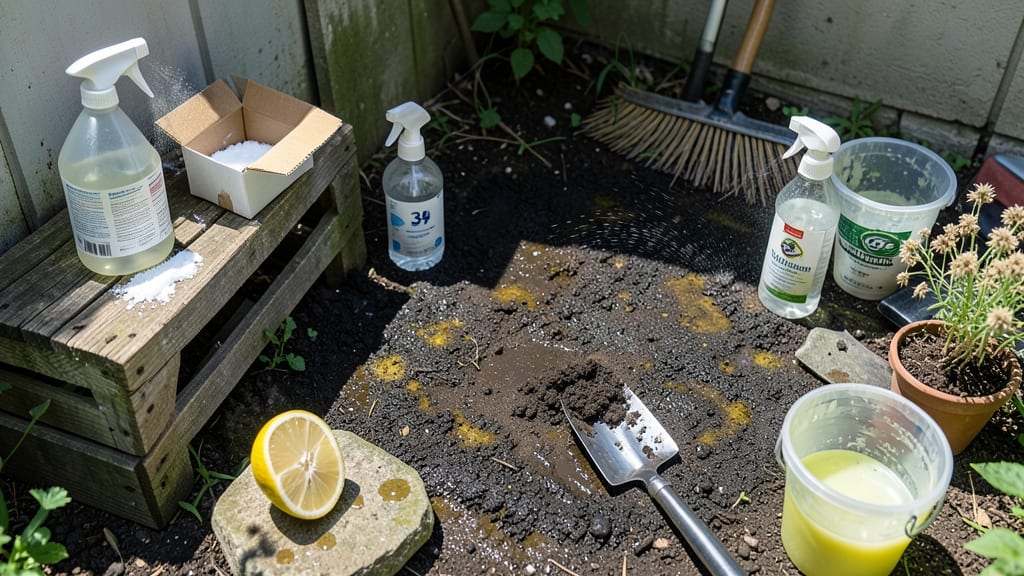
How to get rid of cat urine smell outside naturally—it’s the worst kind of garden enemy, lingering and stubborn, but there’s a simple, chemical-free solution. 🌱 I’ve battled this stink for years, and the vinegar-baking soda combo finally banished it for good, without harming my plants or the soil. The secret lies in breaking down the odor-causing compounds naturally. A simple spray of equal parts white vinegar and water (plus a splash of baking soda) neutralizes the smell on contact, while improving soil health over time. No harsh chemicals, no toxic residue—just fresh air and happy plants. You’ll see results within 24 hours, with the stench completely gone after a week of consistent treatment. The garden will smell like earth again, not like a litter box. Plus, this method keeps cats from marking the same spots repeatedly. Works for lawns, garden beds, and even patio areas. Here’s how to make it happen without the mess or the stink.
📚 In This Guide
- What you need
- Instructions
- Tips and common mistakes
- Wrapping up and next steps
What you need
- ● White vinegar: 1 gallon (or ~3.8 liters) – the star of the show for neutralizing odors.
- ● Baking soda: 1–2 cups (or ~120–240 grams) – for extra deodorizing and scrubbing power.
- ● Spray bottle: 16–32 oz (473–946 mL) – for mixing and applying your vinegar solution.
- ● Scrub brush: Medium- to stiff-bristled (e.g., a stiff-bristled brush or even an old toothbrush for tight spots).
- ○ Gloves: 1 pair (optional but recommended—vinegar can be tough on skin!).
- ● Water: 1 gallon (or ~3.8 liters) – for rinsing or diluting if needed.
- ● Paper towels or rags: 5–10 sheets – for blotting up excess liquid.
- ● Garden hose or bucket of water: For rinsing outdoor surfaces (if applicable).
- ● Essential oils: 10–15 drops (e.g., lavender, citrus, or tea tree oil) – adds a fresh scent after the odor is gone. Note: Test on a small area first—some oils can stain or damage surfaces!
- ● Enzyme cleaner: 1 small bottle (pet-safe, like Nature’s Miracle) – for stubborn stains or as a follow-up treatment.
- ● Baking soda paste: Pre-mixed (baking soda + water) – for deeper scrubbing on porous surfaces.
- ● Sunlight access: A few hours of UV rays – speeds up drying and odor elimination!
Step-by-Step instructions for eliminating cat urine smell outside naturally
Here's the fast, chemical-free method that breaks down odors at the source—no harsh fumes or lingering scents.
💧 Step 1: Blot Up Fresh Urine Immediately
Grab a clean cloth or paper towels and blot—not rub—the urine spot. Press down firmly to soak up as much liquid as possible. Rubbing spreads urine deeper into the grass or soil, making the smell harder to remove. Work from the outer edges inward to contain the spill. You'll see the area lighten as moisture absorbs into your cloth.
If the urine is on hard surfaces like concrete or pavement, skip blotting and move straight to cleaning. For grass or dirt, this step is critical—fresh urine contains concentrated odor compounds that dry into the ground if left untreated. I keep a small roll of paper towels near my outdoor cat's favorite spots for quick cleanup.
🧂 Step 2: Apply White Vinegar Solution Directly
Mix equal parts white vinegar and warm water in a spray bottle. Vinegar's acetic acid neutralizes the ammonia in cat urine, breaking down the odor molecules. Spray the solution generously over the entire affected area, including a 2-inch border around the visible stain. Let it sit for 5-10 minutes—this gives the vinegar time to penetrate deeply.
For tough stains on hard surfaces, I add 1 teaspoon of dish soap to the vinegar mix. This helps lift residual proteins that contribute to lingering smells. Avoid using colored vinegar—it may stain light-colored surfaces. You'll notice the area darken slightly as the solution works, which is normal and indicates active odor breakdown.
✂️ Step 3: Scrub and Rinse Thoroughly
Use a stiff-bristle brush to scrub the area in circular motions. For grass, use a stiff brush or even a wire brush to work the solution into the roots. On hard surfaces, a nylon brush works best without scratching. Pay extra attention to edges where urine often pools. You'll feel resistance as you break up dried residue—keep scrubbing until the area feels smooth.
Rinse the area immediately with cold water from a hose or bucket. Hot water can set any remaining urine proteins, making smells worse. For grass, rinse until the water runs clear. On hard surfaces, wipe away excess moisture with a clean towel to prevent water spots. This step ensures no vinegar residue remains to attract cats back to the same spot.
🌱 Step 4: Neutralize with Baking Soda and Prevent Recurrence
Sprinkle a thin, even layer of baking soda over the cleaned area and let it sit for 15-20 minutes. Baking soda absorbs any remaining moisture and neutralizes odors at a molecular level. For grass, use a small handheld spreader or simply shake baking soda from its container. On hard surfaces, use a sprinkle bottle for precision.
After 20 minutes, sweep up or brush away the baking soda completely. For grass, you can simply rake it into the soil—it'll break down naturally. The key here is prevention: cats often return to the same spot because they detect residual odors. By combining vinegar's odor-breaking power with baking soda's absorption, you eliminate both the smell and the scent markers that lure them back.
☀️ Step 5: Sun-Dry and Monitor for 24 Hours
Allow the treated area to air dry completely in direct sunlight. UV rays help break down any remaining odor compounds. If rain is forecast within 24 hours, cover the area with a tarp to prevent recontamination. You'll know the treatment worked when the area smells fresh and clean—no ammonia or sharp chemical odors remain.
For ongoing prevention, I keep a small spray bottle of the vinegar solution nearby and retreat any new accidents immediately. Most cats avoid areas that have been properly cleaned and neutralized. If the smell returns after 24 hours, repeat the vinegar scrub and baking soda treatment—this usually indicates urine penetrated deeper than initially thought.
Tips & tricks for eliminating cat urine smell outside
These quick strategies will help you tackle odor problems faster and more effectively—no matter how stubborn the smell.
Act Fast in Step 1: The sooner you blot up fresh urine, the better your chances of complete odor removal. I always keep paper towels in my gardening shed because outdoor accidents happen when I'm not looking. For grass, I work from the outer edges inward to prevent spreading the urine deeper into the soil—this is especially important for sandy or loose dirt where urine can seep quickly.
Enhance the Vinegar Solution in Step 2: While the basic vinegar-water mix works well, adding that 1 teaspoon of dish soap makes a noticeable difference for tough stains on hard surfaces. The soap helps break down the protein-based odors that vinegar alone might miss. Just remember to use clear, unscented dish soap—fragrances can leave behind their own lingering smells. The 5-10 minute wait time is crucial; don't rush this step even if you're eager to see results.
Prevent Recontamination in Step 5: After treating the area, I always check the weather forecast. If rain is coming within 24 hours, I cover the treated spot with a tarp to prevent the vinegar solution from washing away before it can fully neutralize odors. This simple step has saved me from having to redo the entire process multiple times. For ongoing prevention, I keep a spray bottle of the vinegar solution handy—treating new accidents immediately prevents them from becoming permanent scent markers.
Pro Tips for Get Rid Of Cat Urine Smell Outside Naturally
- These quick strategies will help you tackle odor problems faster and more effectively—no matter how stubborn the smell.
- Act Fast in Step 1: The sooner you blot up fresh urine, the better your chances of complete odor removal. I always ke...
- Enhance the Vinegar Solution in Step 2: While the basic vinegar-water mix works well, adding that 1 teaspoon of dish ...
Frequently asked questions
Got questions about tackling that stubborn cat urine smell outside naturally?
You’re not alone—here are some of the most common ones, answered in a pinch!
How long does it take for vinegar and baking soda to fully neutralize cat urine smell?
The vinegar-baking soda combo starts working immediately, but for deep stains and odors, give it 24–48 hours to fully dry and neutralize. If the smell lingers, repeat the process or try a second treatment with enzymatic cleaners (like those for pet accidents) for extra power.
Will vinegar and baking soda damage plants or grass if I use them near my garden?
Vinegar is acidic and can harm plants if applied directly, while baking soda is alkaline and may also cause issues in high concentrations. Spot-test first in a hidden area, and for grass, dilute the mixture 1:1 with water or opt for hydrogen peroxide (3%) as a safer alternative.
Can I use this method in cold or rainy weather?
Cold weather won’t stop the chemical reaction, but rain can wash away your treatment. Reapply after heavy rain, and consider using a plastic sheet or tarp to protect the area while it dries. For icy spots, warm the solution slightly before applying to improve absorption.
What if the smell comes back after I’ve cleaned it?
Persistent odors often mean urine residue is still trapped in the soil or material. Dig up the top layer of dirt (if possible) and reapply the vinegar-baking soda mix, or use a steam cleaner to penetrate deeper. For hard surfaces, a hydrogen peroxide + baking soda paste can break down lingering proteins.
Is there a natural way to keep cats from peeing in the same spot again?
Cats return to familiar spots because of scent markers. After cleaning, place citrus peels, coffee grounds, or fresh pine cones in the area—cats dislike these smells! Also, ensure your yard has multiple litter boxes (one per cat + one extra) and keep the area well-lit or noisy to deter repeat visits.
Wrapping up and next steps
Getting rid of cat urine smell outside naturally doesn’t have to be a struggle! With the power of vinegar and baking soda, you’ve got a simple, cost-effective, and pet-safe solution that works fast.
Whether you’re dealing with a stubborn yard spot or a patio stain, these methods are your go-to for fresh, odor-free outdoor spaces. 🌿
Now that you’re armed with the know-how, take action today—grab your supplies and tackle that smell head-on! For extra peace of mind, consider preventative measures like regular cleaning or natural deterrents to keep your outdoor areas smelling clean and inviting. You’ve got this! 🚀