
Pests
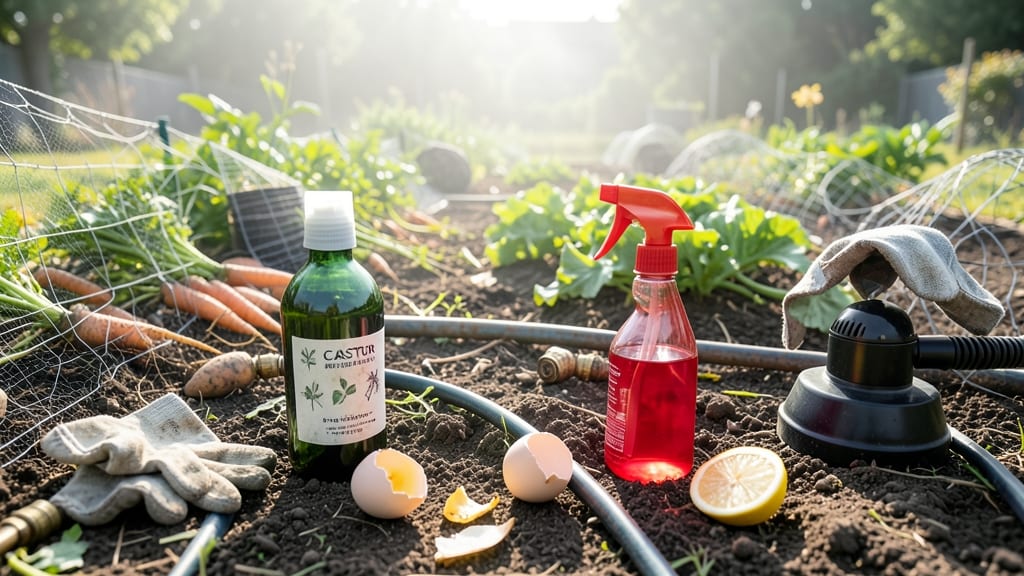
How to get rid of chipmunks digging up your garden beds like tiny, striped tornadoes? 🌱 I’ve spent three summers watching these energetic critters turn my carefully planted rows into their personal salad bar—and I finally cracked the code on humane solutions that actually work.
The key isn’t cruelty—it’s outsmarting them. Physical barriers like hardware cloth buried 12 inches deep stop digging overnight, while castor oil-based repellents (sprayed around plantings) make your garden taste terrible to them. I’ve even used simple live traps with peanut butter bait that releases them unharmed miles away.
By the end of this, your garden stays intact, the chipmunks get relocated, and you avoid the guilt of traps that hurt. The best part? These methods work for vegetable gardens, flower beds, and even patio areas where they’re raiding compost bins.
No more waking up to half-eaten seedlings or tunnels under your prized perennials. Let’s get your garden back—and keep those chipmunks where they belong.
Root Causes Of Chipmunk Visits
If you’ve ever spotted a chipmunk darting across your yard or heard their distinctive chatter near your home, you’re not alone. These small, striped rodents are drawn to human spaces for three key reasons: food, shelter, and nesting opportunities.
Understanding why they show up is the first step to keeping them away for good. Let’s break down the science behind their behavior.
Chipmunks are omnivorous opportunists, meaning they’ll eat almost anything they can find—especially if it’s easy and calorie-dense. Their natural diet includes seeds, nuts, fruits, insects, and even small vertebrates, but human food sources are a magnet for them. Here’s why your yard or home might be a buffet:
- Unsecured trash cans: Chipmunks have excellent noses and can detect food scraps from up to 100 feet away. If your trash isn’t tightly sealed, they’ll raid it for leftovers, greasy pizza boxes, or even pet food.
- Bird feeders: Sunflower seeds, cracked corn, and peanuts are chipmunk favorites. While they’re great for birds, they’re also a free meal for these tiny thieves.
- Compost piles: Decaying organic matter is a protein and nutrient goldmine for chipmunks. If your compost isn’t contained, they’ll dig right in.
- Pet food left outdoors: Dry kibble or wet food left in bowls overnight is an open invitation. Chipmunks will nibble on it, contaminate it, or even steal it entirely.
- Gardens and crops: Chipmunks love digging up bulbs, berries, and vegetables like beans, peas, and corn. They’ll cache (hide) food in burrows, bringing more back to your property.
Pro Tip: 💡 Chipmunks are crepuscular (most active at dawn and dusk), so they’re more likely to raid food sources during these times. Secure trash and food sources before sunset to minimize temptation.
Chipmunks need safe, dry places to nest and escape predators. If your property offers these conditions, they’ll move in—even if they don’t see you as a food source yet. Here’s what makes your space inviting:
- Piles of debris or mulch: Leaf litter, woodpiles, or thick mulch layers provide perfect nesting material. Chipmunks will burrow into these piles to create cozy dens.
- Gaps in foundations or walls: Even a tiny hole (as small as 1 inch wide) is enough for a chipmunk to squeeze in. They’ll nest in crawl spaces, sheds, or garages if the entry is accessible.
- Unmaintained lawns: Tall grass and weeds offer cover from hawks, owls, and other predators. A wild, overgrown yard is like a chipmunk’s version of a luxury hotel.
- Rocky or uneven terrain: Chipmunks love digging, and loose soil or rocks make it easy for them to create burrow systems. If your yard has these features, they’ll treat it as a construction site.
Fun Fact: 🌡️ Chipmunks can dig up to 10 feet of burrow in a single day if motivated! Their tunnels can have multiple chambers for nesting, food storage, and escape routes.
Chipmunks breed twice a year (spring and summer), and a single female can produce 4-8 young per litter. If your property provides food and shelter, they’ll stick around to raise their families. Here’s how nesting behaviors contribute to the problem:
- Burrow availability: Chipmunks prefer to nest underground, but they’ll also use hollow logs, dense shrubs, or even abandoned rodent tunnels. If your yard has loose soil or soft spots, they’ll claim them.
- Proximity to water: A garden hose leak, birdbath, or pet water bowl can attract chipmunks. They need hydration, especially during dry spells.
- Lack of natural predators: In suburban areas, chipmunks face fewer threats from foxes, coyotes, or owls. With no predators to keep populations in check, they’ll thrive—and multiply.
Warning Sign: ✨ If you see multiple chipmunks or notice fresh digging near your home, it’s likely a family unit. Females are particularly aggressive about defending their territories during breeding season (spring and early summer).
Now that you know why chipmunks are crashing your party, the next step is to remove the incentives—starting with securing food sources and eliminating shelter opportunities. Stay tuned for humane (and effective) ways to deter them!
Humane Solutions for Chipmunk Control
Now that you understand why chipmunks are invading your space, it’s time to take action—without harming these busy little critters. The key is combining deterrence, exclusion, and humane removal to create a chipmunk-free zone while keeping them safe.
Below, we’ve mapped out practical, step-by-step fixes based on the root causes of your chipmunk problem, plus prevention tips to keep them from returning.
If chipmunks are sneaking into your yard, garage, or home, seal them out before they become a habit.
🔧 Step-by-Step Sealing
- Inspect for Gaps 🕵️♂️
- Walk your property and look for holes in fences, vents, foundation cracks, or gaps under doors.
- Chipmunks can squeeze through spaces as small as 1.5 inches wide—so be thorough!
- Use Heavy-Duty Materials 🛠️
- Outdoor gaps: Fill with steel wool, hardware cloth (1/4-inch mesh), or caulk.
- Foundation cracks: Seal with concrete patch or metal flashing.
- Vents & pipes: Install fine mesh screens (no larger than 1/4-inch).
- Secure Trash & Food Sources 🗑️
- Use bear-proof or chipmunk-proof bins with locking lids.
- Keep compost bins far from your home (at least 10 feet away).
💡 Pro Tip:
- Check for burrows near sheds, patios, or flower beds. If you spot fresh dirt mounds, cover them with hardware cloth to prevent re-entry.
Chipmunks are opportunistic snackers—if they find food, they’ll stick around. Eliminate their buffet to encourage them to move on.
🚫 What to Avoid Feeding Them
| Attractant | Solution |
|---|---|
| Birdseed on the ground | Switch to nyjer seed in hanging feeders (chipmunks can’t access it) |
| Pet food left outside | Feed pets indoors or use automatic feeders with lids |
| Fruit trees & berries | Pick fallen fruit daily and net trees if needed |
| Open garbage cans | Use bungee cords or carabiners to secure lids |
🌡️ Bonus: Make Your Yard Less Inviting
- Remove brush piles (they love nesting there).
- Keep grass short—chipmunks prefer tall grass for cover.
- Plant chipmunk-repellent herbs like mint, daffodils, or lavender near entry points.
If chipmunks are already inside your home or garage, live traps are the safest way to remove them. Never use poison or lethal traps—they’re illegal in many areas and cruel.
🔪 Step-by-Step Trapping Guide
- Choose the Right Trap 🛒
- Best options: Havahart or Tomahawk live traps (16” x 6” x 6”).
- Bait: Use unsalted peanuts, sunflower seeds, or apple slices.
- Set the Trap Properly 🎯
- Place traps along runways (look for dirt paths or chewed vegetation).
- Trigger mechanism should face inward (away from wind).
- Check traps every 4-6 hours—chipmunks can get stressed if left too long.
- Release Them Far Away 🚗
- Drive at least 5-10 miles away (check local laws—some areas require permits).
- Release in a wooded area (not near homes or gardens).
- Do NOT release in urban parks—they’ll just return!
✨ Pro Tip:
- Mark traps with bright flags so you don’t accidentally step on them.
- Wear gloves when handling traps—chipmunks can bite if scared!
Once you’ve removed the chipmunks, reinforce your defenses to prevent a repeat invasion.
🌟 Natural Repellents (Safe & Effective)
| Repellent | How to Use |
|---|---|
| Predator Urine (coyote or fox) | Spray around entry points (reapply every 2 weeks) |
| Hot Pepper Spray | Mix 1 tbsp cayenne + 1 gallon water, spray on fences & plants |
| Ammonia-Soaked Rags | Place in mesh bags near burrows (smell deters them) |
🎯 Prevention
Frequently asked questions
Can I use peppermint oil to repel chipmunks?
Yes! Chipmunks absolutely hate the strong scent of peppermint oil. Mix 10-15 drops of peppermint essential oil with 1 cup water and spray it around garden edges, burrow entrances, and foundation cracks. Reapply every 3-5 days or after rain, as the scent fades quickly. This is one of the safest, most effective natural deterrents.
What should I do if I find a chipmunk burrow in my flower bed?
Don't destroy the burrow - chipmunks are protected in many areas and need these homes. Instead, cover the entrance with hardware cloth buried 12 inches deep to block new diggers while allowing the current residents to come and go. For existing burrows, simply monitor them - they'll often abandon the area if food sources are eliminated nearby.
How long does it take for repellents to work?
Most natural repellents like castor oil or predator urine show results within 24-48 hours, but full effectiveness takes 1-2 weeks of consistent application. For physical barriers like fencing, you'll see immediate results as chipmunks can't access protected areas. Be patient - these creatures are persistent but not immune to environmental changes.
Are chipmunks dangerous to have around?
Chipmunks are generally harmless to humans - they won't attack unless provoked. However, they can carry diseases like hantavirus (through their urine and droppings), so always wear gloves when handling traps or cleaning burrows. Their real danger is to your garden - they'll destroy plantings faster than most pests, making prevention essential.
What's the best time of year to deal with chipmunks?
Spring and early summer are the most effective times to address chipmunk issues, as this is when they're most active and breeding. Focus on sealing entry points before summer heat arrives, when chipmunks become less active. Fall is also good for prevention - remove food sources and secure trash before they prepare for winter hibernation.