
Pests
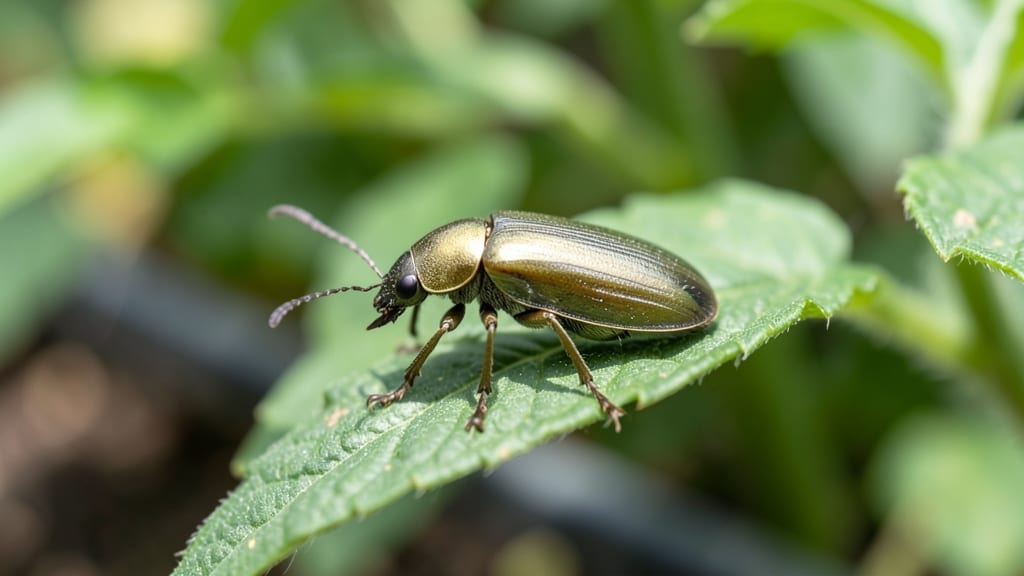
How to get rid of flea beetles on tomato plants—your tomato leaves can go from lush green to Swiss cheese overnight, but there’s a fast fix. I’ve watched my plants go from thriving to skeletonized in days—and the boiling water trick stopped it dead in its tracks. These tiny black pests chew tiny holes, stunting growth and inviting disease. Most solutions take weeks, but this method works in minutes. It's not about killing beetles slowly—it's about creating a barrier they can't cross. You'll see new leaves emerge within 3-5 days of treatment, and the plants rebound faster than with sprays or traps. The secret? A simple, hot-water perimeter that confuses their navigation system. Works for any garden size, from containers to full beds. Let's get those tomatoes growing strong again!
Root Causes of Flea Beetle Attacks
Flea beetles don’t just randomly target your tomato plants—they’re drawn by a mix of environmental, biological, and agricultural factors. Understanding these triggers is the first step to preventing future infestations. Here’s why your tomatoes might be under siege:
Flea beetles are opportunistic pests, and stressed tomato plants are like an all-you-can-eat buffet. When your plants are overcrowded, they struggle to compete for sunlight, water, and nutrients, weakening their natural defenses. Scientific reasoning: - Reduced chlorophyll production: Overcrowding blocks sunlight, leading to thinner leaves.
Beetles detect this vulnerability through visual cues (beetles prefer lighter, less robust foliage). - Higher ethylene emissions: Stressed plants release ethylene gas, a plant stress signal that can attract pests, including flea beetles. - Moisture competition: Overcrowded roots create dry soil patches, making plants more susceptible to beetle feeding (they thrive in dry, warm conditions).
Actionable insight: Space tomato plants 18–24 inches apart and prune lower leaves to improve airflow. Healthy plants bounce back faster from beetle damage.
Flea beetles are cold-blooded insects, and their activity peaks when temperatures rise above 60°F (15°C). Why this matters: - Faster reproduction: Warmth accelerates their lifecycle—females lay eggs in soil cracks, and larvae hatch in 7–10 days, creating multiple generations per season. - Dry soil preference: Beetles avoid soggy soil but thrive in well-drained, dry conditions.
Irregular watering (e.g., drought followed by heavy rain) signals to them that your plants are weak and easy prey. - Extended feeding windows: Heat waves prolong their active hours, increasing damage to young tomato seedlings.
Pro tip: 💡 Mulch around plants to retain moisture and create a cooler microclimate. Water deeply in the early morning to discourage beetles from lingering.
Flea beetles have a voracious appetite for new growth.
Here’s why seedlings are their favorite snack: - Thin cell walls: Young leaves lack the tough, waxy cuticle of mature plants, making them easier to chew through. - High nitrogen content: New shoots contain more nitrogen, which beetles detect via olfactory cues (they’re drawn to the scent of fresh, protein-rich plant material). - Limited recovery: Seedlings can’t replace damaged foliage quickly, leading to stunted growth or death.
Key fact: A single beetle can create 50+ tiny holes per minute—enough to defoliate a seedling in hours. Solution: Use floating row covers for the first 4–6 weeks to shield seedlings.
Your gardening habits might be unknowingly rolling out the welcome mat for flea beetles: - Heavy use of synthetic fertilizers: Excess nitrogen attracts beetles while weakening plant defenses. Alternative: Use compost or balanced organic fertilizers (e.g., 5-5-5 NPK ratio). - Monocropping tomatoes: Planting tomatoes in the same spot yearly leaves behind eggs and larvae in the soil. Rotation tip: Avoid planting tomatoes, peppers, or eggplants in the same bed for 3+ years. - Weedy garden beds: Flea beetles overwinter in weeds like purslane or chickweed.
A weed-free garden reduces their hiding spots and food sources.
A balanced ecosystem keeps flea beetle populations in check. When their predators vanish, beetles multiply unchecked: - Lack of birds: Birds like robins or sparrows feast on adult beetles.
Urban gardens with few perches or water sources lose this natural control. - Few beneficial insects: Ground beetles, lacewings, and parasitic wasps prey on flea beetle eggs/larvae.
Pesticide use (even organic sprays) can disrupt these relationships. - No companion plants: Basil, marigolds, or radishes repel flea beetles by masking tomato scents or releasing allelochemicals (natural pest-deterring compounds).
Quick fix: Plant nasturtiums as a trap crop—beetles prefer them over tomatoes! 🌼
Quick Fixes for Flea Beetle Havoc
Flea beetles may be tiny, but their damage can feel like a full-blown attack on your tomato plants. The good news? With the right strategies, you can stop the destruction fast and protect your harvest.
Below, we break down targeted solutions based on the root causes—from physical barriers to organic sprays—plus prevention tips to keep those pesky beetles away for good.
Flea beetles are drawn to young, tender tomato seedlings, so cutting off their access is your first line of defense.
🔥 Use Row Covers Early
- How: Cover seedlings with lightweight floating row covers (made of fine mesh) as soon as you plant them.
- Why: These barriers block beetles while still allowing sunlight, water, and air to reach your plants.
- Pro Tip: Secure the edges tightly with soil or bricks to prevent beetles from crawling underneath.
Remove covers when flowers appear to allow pollination.
🍳 DIY Collar Barrier for Seedlings
- How: Cut toilet paper rolls or cardboard tubes into 2-inch-high rings. Slip them over seedlings before planting.
- Why: Beetles can’t jump over the rim, giving roots time to strengthen.
- Bonus: Remove collars once plants are 4-6 inches tall and beetle-resistant.
🌡️ Boiling Water Barrier (Your Secret Weapon!)
- How: Pour a thin stream of boiling water around the base of your tomato plants in a circular motion, creating a moat of steam.
- Why: The sudden heat kills adult beetles on contact and deters them from returning.
Repeat every 3-4 days for maximum effect. - ⚠️ Safety First: Wear gloves and avoid pouring directly on leaves to prevent burns.
If beetles are already feasting, organic sprays can provide immediate relief without harming your plants or pollinators.
👨🍳 Homemade Neem Oil Spray
- Recipe: Mix 1 tsp neem oil + 1 tsp mild soap + 1 quart water.
Add a few drops of dish soap as an emulsifier. - How to Apply: Spray early in the morning (avoid direct sunlight) on both sides of leaves and the soil around plants. - Why It Works: Neem oil disrupts their life cycle, repels adults, and prevents eggs from hatching. - Reapply: Every 5-7 days or after rain.
🥘 Diatomaceous Earth Dust
- How: Lightly dust food-grade diatomaceous earth (DE) around the base of plants and on leaves (avoid over-applying—it can harm beneficial insects).
- Why: DE dehydrates beetles by damaging their exoskeletons.
Best used on dry, calm days. - Pro Tip: Reapply after watering or rain, as it loses effectiveness when wet.
🔪 Yellow Sticky Traps
- How: Hang yellow sticky cards near tomato plants. Beetles are attracted to the color and get trapped.
- Why: This reduces adult populations without chemicals.
- Best For: Early detection and preventing spread to other plants.
Flea beetles thrive in warm, dry conditions and weak plants. Adjusting your gardening habits can make your tomatoes less appealing to them.
⏰ Plant at the Right Time
- When: Wait until late spring or early summer to plant tomatoes. Beetles are most active in early spring, so delayed planting avoids peak infestation.
- Alternative: Grow fast-maturing varieties (like ‘Early Girl’ or ‘Stupice’) to harvest before beetles cause major damage.
🌱 Interplant with Repellent Crops
- Best Companions: Basil, borage, marigolds, or nasturtiums confuse beetles with their scents and attract predators like ladybugs and lacewings.
- How: Plant these around the perimeter of your tomato patch.
💡 Keep Soil Healthy & Moist
- Why: Flea beetles prefer stressed, dry plants. Well-watered tomatoes with rich, organic soil grow faster and repel beetles naturally.
- How: Mulch with straw or grass clippings to retain moisture and reduce soil-borne beetle eggs.
Encourage beneficial insects and microbes to eat or outcompete flea beetles.
🎯 Introduce Predatory Insects
- Best Allies: Ladybugs, lacewings, ground beetles, and parasitic wasps (like Hymenoepimecis spp.) feed on flea beetle eggs and larvae.
- How: Purchase from garden centers or create habitat (e.g., damp sand pits for ground beetles).
🌡️ Use Beneficial Nematodes
- How: Apply Steinernema carpocapsae nematodes to the soil. These microscopic worms seek out and kill beetle larvae.
- When: Best in early evening when soil is moist. Water lightly after application.
🥗 Encourage Birds & Toads
- How: Install a birdbath or toad house near your garden. Birds and toads love munching on adult flea beetles.
- Bonus: They also control other pests like slugs and snails!
The best defense is a strong offense. Follow these proactive steps to keep flea beetles at bay all season.
🔥 Clean Up Debris
- Why: Flea beetles overwinter in garden debris. Remove old plant material, weeds, and mulch in fall and early spring.
- How: Till the soil 6-8 inches deep to expose and kill overwintering eggs.
🌡️ Rotate Plant Locations
- How: Avoid planting tomatoes (or other Solanaceae family plants like peppers and eggplants) in the same spot yearly.
- Why: This breaks the beetle life cycle by removing their preferred host plants.
🎯 Use Trap Crops
- How: Plant a sacrificial crop like radishes or lettuce near your tomatoes. Beetles will infest these first—remove and destroy them weekly.
- Best For: Early-season prevention.
💡 Store Tools & Equipment Properly
- Why: Flea beetles hide in garden tools, pots, and wooden stakes. Clean and sun-dry tools after use, and store them in a garage or shed (not outdoors).
| Step | Action | When |
|---|---|---|
| Barrier Setup | Install row covers or collars | At planting |
| Spray Schedule | Neem oil or DE every 5-7 days | Morning (avoid sun) |
| Trap Maintenance | Check sticky traps weekly | Ongoing |
| Soil Care | Mulch & water deeply | Weekly |
| Cleanup | Remove debris & rotate crops | Fall & spring |
By combining physical barriers, organic sprays, cultural controls, and biological allies, you’ll crush flea beetle infestations and keep your tomato plants thriving—no chemicals required! 🍅💪
Frequently asked questions
How do I know if my tomato plants have flea beetles?
Look for tiny shotgun-like holes (about 1/16-inch wide) along the edges of leaves. You might also spot tiny black beetles (1/8-inch long) jumping away when disturbed. New leaves often show the most damage since beetles prefer tender growth. Check undersides of leaves too—they’re a favorite hiding spot!
Is boiling water safe for my tomato plants?
Yes, when used correctly! Only pour boiling water around the base of plants in a circular motion—never directly on leaves. The steam creates a barrier that kills beetles without harming the plant. For extra safety, wear gloves and avoid pouring when plants are stressed from drought or heat. The method works best on established plants with strong root systems.
Will neem oil harm beneficial insects like bees?
Neem oil is generally safe for bees when applied correctly. Spray only in the evening when bees aren't active, and avoid flowering plants during application. The key is to use it as a preventive measure rather than a cure—it disrupts beetle life cycles without killing beneficial insects outright. Always use cold-pressed, food-grade neem oil for best results.
Can I use diatomaceous earth indoors for potted tomato plants?
For container-grown tomatoes, lightly dust food-grade diatomaceous earth (DE) around the soil surface and on leaves (avoid over-applying). The key is to reapply after watering since DE loses effectiveness when wet. Work in a well-ventilated area—it can be irritating to breathe in. This method works well for both indoor and outdoor pots, especially in dry conditions.
How long does it take to see results from these treatments?
You should notice a difference within 3-5 days with methods like boiling water or neem oil. Physical barriers (row covers, collars) work immediately, while biological controls (like nematodes) may take 2-3 weeks to show full effect. Consistency is key—reapply treatments every 3-7 days or as needed after rain. Healthy plants will recover faster than stressed ones!