
Propagation
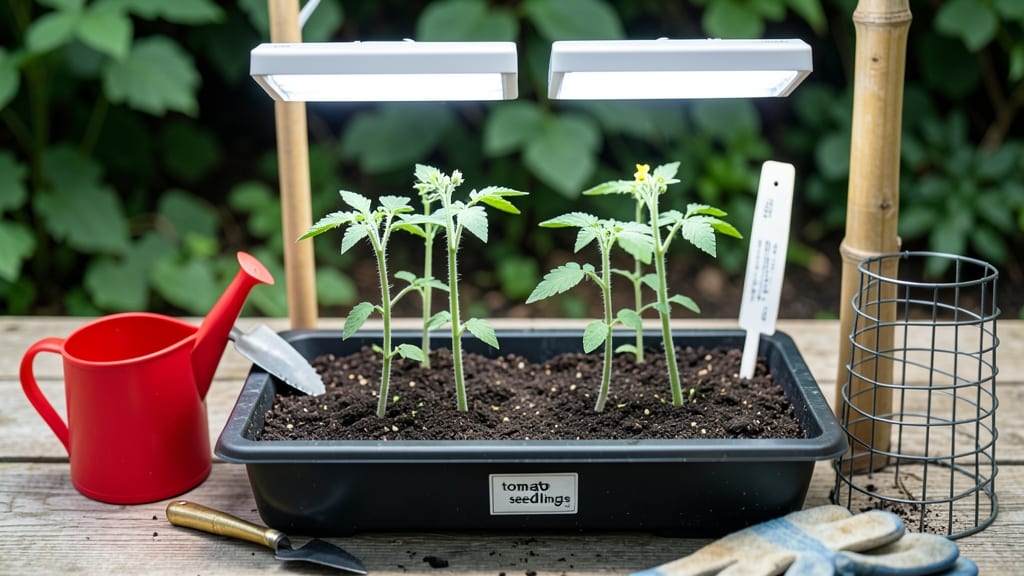
How to keep tomato seedlings from getting leggy means saving time and energy—weak, floppy stems are a grower’s worst nightmare. 🌱 I’ve nursed dozens of spindly starts back to health, and here’s how to skip the struggle entirely by giving them the light and support they crave from day one. The root cause is simple: too little light stretches seedlings toward any available source, creating weak stems that snap under their own weight. Most growers fixate on water or fertilizer, but sunlight (or its artificial equivalent) is the real game-changer. Even a south-facing window or basic grow light can transform floppy stems into sturdy, compact plants within a week. You’ll spot legginess early by looking for stems longer than 2 inches between leaves or seedlings leaning toward light. The fix is easy: move them closer to light, rotate daily, and consider a support stake or cloche to encourage vertical growth. No more flopping—just thick, bushy plants ready for transplanting. This works for seed-starting setups of any size, from windowsills to greenhouse trays. Let’s get those seedlings standing tall!
The Root Causes of Leggy Seedlings
Leggy tomato seedlings aren’t just a nuisance—they’re a cry for help from your plants. When stems stretch tall and spindly while leaves grow sparse, it’s a clear sign your seedlings are struggling to find balance.
Understanding why this happens is the first step to fixing it. Below, we break down the science behind leggy growth, so you can address the real issues and grow sturdy, thriving seedlings. 🌱🔍
Light is the primary driver of photosynthesis, the process that fuels plant growth. When seedlings don’t get enough light—whether from weak natural sunlight or artificial sources—they stretch toward any available light, a phenomenon called etiolation. This causes:
- Elongated stems: Seedlings prioritize reaching upward over developing strong stems.
- Weak cell walls: Without proper light, cells produce less lignin, a compound that strengthens stems.
- Pale, yellowish leaves: Chlorophyll production drops, leading to poor energy storage.
💡 Pro Tip: Seedlings need 12–16 hours of light daily. If growing indoors, use grow lights (LED or fluorescent) placed 2–3 inches above seedlings to mimic sunlight intensity. Outdoor seedlings should be moved to a sunny, south-facing window or hardened off gradually to prevent shock.
Seedlings don’t just compete for light—they battle for nutrients, water, and space. When planted too closely together:
- Limited airflow increases humidity around leaves, promoting damping-off (a fungal disease that cuts stems at the base).
- Root competition forces seedlings to grow upward for light instead of downward for stability.
- Weak stems develop from lack of structural support, as seedlings lean against neighbors.
📊 Data Point: Studies show seedlings spaced 1–2 inches apart in trays become leggy 3x faster than those thinned to 3+ inches. Thin seedlings early to avoid stress.
Heat accelerates growth, but without sufficient light, seedlings burn through energy reserves faster than they can replenish them. This creates a vicious cycle:
- Rapid stem elongation: High temperatures (above 75°F/24°C) speed up cell division in stems but not leaves.
- Poor root development: Energy diverted to stems leaves roots underdeveloped, making seedlings top-heavy.
- Nutrient deficiencies: Even fertile soil can’t support growth if the plant isn’t photosynthesizing enough.
🌡️ Fix It: Keep seedlings in 60–75°F (15–24°C) during the day and 50–60°F (10–15°C) at night. Use a heat mat for warmth (not heat) if starting seeds indoors, but pair it with light to balance growth.
Leggy seedlings often signal an underlying nutrient deficiency, particularly:
- Low nitrogen (N): While nitrogen fuels leaf growth, too little causes weak stems. Too much can also lead to soft, floppy growth.
- Phosphorus (P) deficiency: Critical for root and stem development; seedlings may stretch to access deeper nutrients.
- Compacted or waterlogged soil: Poor aeration restricts root growth, forcing seedlings to prioritize above-ground reach.
🥗 Solution: Use a light, well-draining seedling mix (e.g., 50% peat/coir, 30% perlite, 20% compost). Add a balanced fertilizer (e.g., 5-5-5 or 10-10-10) at half-strength when true leaves appear. Avoid synthetic fertilizers until seedlings are hardened off.
By identifying which of these factors is at play, you can target the fix—whether it’s adjusting light, thinning seedlings, or tweaking soil conditions. The key is balance: give your seedlings the right conditions to grow upward and outward, not just upward. 🌿✨
Fixing floppy seedlings naturally
Now that you know why your tomato seedlings stretch like sleepy kittens, let’s roll up our sleeves and fix them—without losing hope! The good news? Most leggy seedlings can bounce back with the right care.
Below, we’ve mapped out practical, step-by-step solutions tailored to the root causes, plus prevention tips to keep future batches sturdy as a skyscraper.
Cause: Seedlings stretch toward light (etiolation) when deprived of sunlight or artificial grow lights.
How to Fix It:
- 🔥 Move Them to a Sunniest Spot
- Place seedlings within 6–12 inches of a south-facing window (or a grow light) for 12–16 hours of light daily. If natural light is weak, supplement with a full-spectrum LED grow light (10–12 watts per square foot).
- Pro Tip: 💡 Rotate trays daily to prevent leaning—give them a quarter turn so stems grow straight, not lopsided.
- 🍳 Gradually Harden Off Leggy Seedlings - If they’ve been indoors too long, acclimate them slowly to outdoor conditions: - Day 1–3: 1–2 hours of morning sun + shade cloth. - Day 4–7: Add 2–3 hours of direct sun, then bring them inside at night. - Warning: ⏰ Avoid midday sun (10 AM–4 PM) at first—it can scorch tender stems.
Build tolerance over a week.
- 👨🍳 Bury Them Deeper (If Needed) - If stems are super weak, gently press soil around the lower half of the seedling (up to the first true leaves).
This encourages roots to form along the buried stem, stabilizing it. - Bonus: 🌱 This also helps if you’ve already transplanted—just hill soil up the stem like a mini volcano!
Cause: Crowded trays or warm temps (above 75°F) speed up growth but weaken stems.
How to Fix It:
- 📊 Thin or Repot Immediately
- Snip or transplant seedlings so they’re 2–3 inches apart in their current tray or move them to individual pots (4–6 inches deep) with well-draining soil.
- Pro Tip: ✨ Use a pencil or dibber to make holes—it’s gentler than fingers and reduces root damage.
- 🌬️ Improve Airflow
- Place a small fan (set to low) 6–12 inches away from seedlings for 1–2 hours daily. This mimics wind, strengthens stems, and prevents fungal issues.
- Alternative: 💨 Gently shake trays by hand if you don’t have a fan—just enough to rustle leaves.
- 🎯 Adjust Temperature - Keep seedlings in 60–75°F during the day and 55–65°F at night.
Avoid placing them near heat sources (radiators, ovens, or sunny south-facing windows without shade). - Quick Fix: 🌡️ If your home gets too hot, move trays to a cool basement or garage during peak afternoon heat.
Cause: Nutrient deficiencies (especially nitrogen or phosphorus) or over-fertilizing can weaken stems.
How to Fix It:
- **💪 Fertilize Lightly with the Right Mix
- Use a
- Avoid: 🚫 High-nitrogen fertilizers (like blood meal)—they promote leafy growth but weak stems. Instead, opt for phosphorus-heavy (e.g., 5-10-5) to boost root development.
- 🍎 Add Organic Amendments - Mix compost or worm castings into the soil (10–20% by volume) for a slow-release nutrient boost.
This improves soil structure and microbial activity, helping roots anchor better. - DIY Hack: 🌱 Crush eggshells into the soil—they add calcium, which strengthens cell walls and prevents blossom-end rot later.
- 🚰 Water Wisely - Bottom-water seedlings (place trays in a shallow tray of water for 10–15 minutes) to encourage deep root growth. Avoid overhead watering, which can cause fungal issues. - Signs of Overwatering: 🌧️ Yellowing leaves or mushy stems?
Let the top inch of soil dry out before watering again.
If your seedlings look like tall, wobbly toothpicks, don’t despair—try these last-resort fixes:
- 🔪 Prune & Propagate - Cut the top 1–2 inches off the leggy stem (just above a leaf node).
Place the cutting in water or moist perlite—it’ll regrow roots while the original plant sends out new, sturdier shoots from the base. - Result: You’ll often get 2–3 healthy plants from one leggy seedling!
- 🌿 Transplant Deeply with Support - Plant the seedling deeper than before, burying up to the first set of leaves.
Use a toothpick or small stake to hold it upright while it recovers. - Pro Tip: 🌱 Mix in a handful of sand or perlite to the soil for better drainage—waterlogged roots = more weakness.
- 🌱 Switch to a Dwarf or Determinate Variety
- If this keeps happening, choose compact tomato varieties (like ‘Tiny Tim’ or ‘Patio Princess’) next time. They’re bred to stay stocky even with less light.
Once you’ve revived your seedlings, lock in their success with these long-term strategies:
- 🌞 Start with Grow Lights (if natural light is weak). A simple LED clip light ($20–$40) can save your sanity. - 📅 Sow at the Right Time.
Wait until 2–3 weeks before your last frost date to start seeds indoors—this gives them enough time to harden off before transplanting. - 🌱 Use Seedling Heat Mats (if your home is chilly).
They keep soil warm (70–75°F) and speed up germination without stretching. - 🌿 Choose the Right Containers. Black plastic trays absorb more heat, but white or reflective containers reduce heat stress. Just ensure they have drainage holes!
Remember: Even the leggiest seedlings can turn into strong, productive plants with a little TLC. The key is acting fast and giving them the light, space, and nutrients they crave. Now go forth and grow those tomato towers! 🍅💪
Frequently asked questions
Why do my tomato seedlings get leggy even with good light?
Even with decent light, legginess often happens when seedlings get too warm (above 75°F/24°C) or are crowded in trays. Heat speeds up stem growth while roots can't keep up, and competition for space forces them to stretch upward. Try thinning to 2-3 inches apart and moving them to a cooler spot (like a basement) during hot afternoons.
Can I save a severely leggy seedling that's already fallen over?
Gently bury half the stem in soil (up to the first true leaves) to encourage new roots. Add a toothpick stake for support and place it in bright light. Many leggy seedlings will regrow from the base while the top can be propagated in water. You might even get two healthy plants from one!
How soon can I transplant leggy seedlings outdoors?
Wait until nighttime temperatures stay above 50°F/10°C and harden them off for 7-10 days first. Start with 2-3 hours of morning sun and gradually increase exposure. Leggy seedlings need extra time to recover - don't rush them! Use shade cloth during the first few days to prevent sunburn on weak stems.
What's the best grow light setup for preventing legginess? Use a full-spectrum LED grow light placed 2-3 inches above seedlings for 14-16 hours daily. A simple 10-watt LED clip light ($20-$40) works great for small setups.
Will leggy seedlings still produce good tomatoes?
Yes! While they may take longer to recover, properly cared-for leggy seedlings can produce just as many tomatoes as sturdy ones. The key is giving them support (stakes or cages) and ensuring they get enough light and nutrients to strengthen their stems. Some varieties like 'Sungold' are particularly forgiving with leggy starts.