
Pests
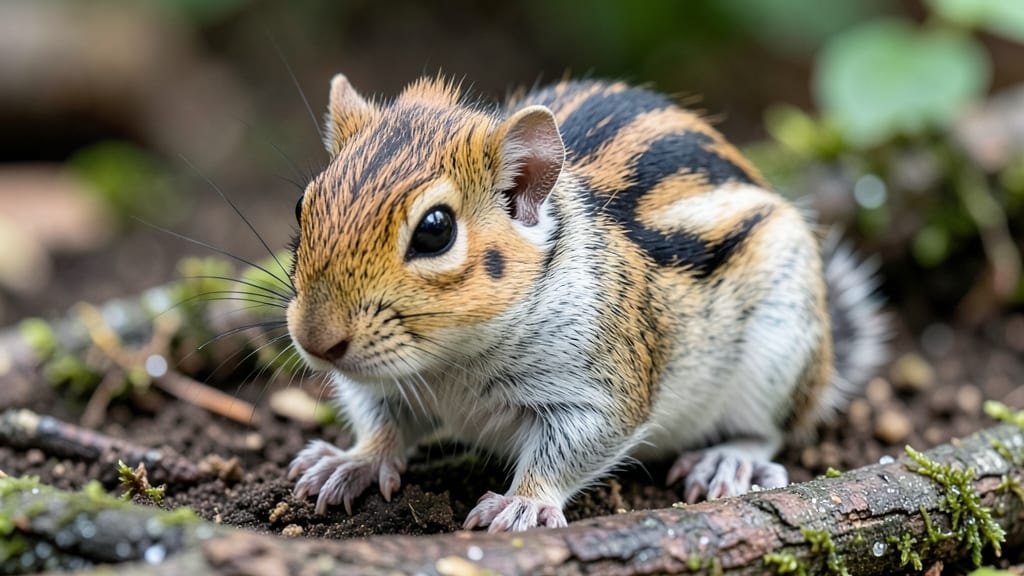
How to get rid of ground squirrels and chipmunks turning your garden into a buffet? 🌱 I’ve spent years testing humane methods—and these traps and tricks finally worked without harming a single critter (or my tomatoes). The key? Combining exclusion, deterrents, and a little strategic thinking that outsmarts their burrowing instincts.
Most "solutions" fail because they’re either cruel or ineffective. My go-to involves one-way exclusion doors on burrows (they dig out but can’t return) paired with peppermint oil-soaked cotton balls near entry points—both safe and stinky enough to send them packing.
Bonus: The squirrels move on, but the chipmunks? They’ll take longer to forget that smell.
Within 2-3 weeks, you’ll see fewer tunnels, less dug-up soil, and—most importantly—your veggies left alone. The best part? These methods protect birds, bees, and your sanity while actually solving the problem. No more "temporary" fixes that just move the issue underground.
Works for raised beds, in-ground gardens, and even patios where they’re raiding compost. The secret isn’t brute force—it’s outthinking their habits. Let’s make your yard less appealing than the woods next door.
The Hidden Triggers Inviting Them In
Ground squirrels and chipmunks may seem like harmless little critters, but they’re actually highly opportunistic survivors with specific triggers that lure them into your yard, garden, or even your home.
Understanding these causes is the first step to stopping their unwelcome visits. Let’s break down the science behind why these rodents show up—and why they stick around.
Ground squirrels and chipmunks are omnivorous foragers, meaning they’ll eat almost anything—especially if it’s easy to access. Their diet includes:
- Seeds and nuts: Birdseed, sunflower seeds, and acorns are like fast food to them. A single chipmunk can bury hundreds of seeds in a day, only to forget some—leading to new plants (and more food) growing in your garden.
- Fruits and vegetables: Soft-skinned produce like tomatoes, berries, and squash is a magnet. They’ll gnaw through crops, leaving behind ragged holes and wilting plants.
- Pet food and garbage: Unsecured pet bowls or compost bins are like open invitations. Even small amounts of spilled food can attract them, especially if they’ve already sniffed out an easy meal.
- Insects and grubs: Lawns with grubs, beetles, or other insects become a protein-rich feast. If your yard has a thriving insect population (often due to poor soil health or overwatering), squirrels and chipmunks will move in.
Actionable insight: If you’ve noticed sudden damage to your garden or unexplained seed disappearance, your yard is likely a five-star restaurant in their eyes. Securing food sources is the fastest way to deter them.
These rodents are nest builders, and they prioritize safety, warmth, and dryness. Common shelter spots include:
- Burrows in lawns or gardens: Ground squirrels dig extensive tunnel systems (up to 20 feet long!) in loose, well-drained soil. They prefer areas with sun exposure for warmth and cover (like near fences, sheds, or dense shrubs).
- Gaps in structures: Chipmunks are agile climbers and will squeeze into 1-inch gaps in foundations, decks, or vents to nest. They love attics, crawl spaces, and even wall voids if they’re warm and cozy.
- Thick vegetation: Piles of leaves, woodpiles, or overgrown bushes provide perfect hiding spots. A single chipmunk can nest in a ball of dried grass the size of a softball.
- Outdoor furniture or storage: Stacked patio cushions, empty tool sheds, or even grills can become temporary homes if they’re dark and undisturbed.
Scientific note: Ground squirrels are colonial, meaning they often share burrows with others for safety. If you spot one, there’s likely a whole community nearby.
These rodents don’t just show up randomly—they’re influenced by seasonal changes, weather, and even human activity. Here’s what triggers their movements:
| Season | Why They Arrive | Peak Activity |
|---|---|---|
| Spring | Warmer soil wakes up dormant burrows, and they emerge to forage for food after winter. Mating season also drives them into yards. | March–May |
| Summer | They cache food (bury seeds/nuts) for winter, leading to aggressive digging. Dry conditions make lawns easier to tunnel in. | June–August |
| Fall | Food storage frenzy: They gather and bury up to 90% of their diet for winter. This is when they’re most destructive to gardens. | September–November |
| Winter | They retreat to burrows but may still raid food sources if snow covers the ground (easier access to buried caches). | December–February |
Environmental triggers:
- Drought or overwatering: Too-dry soil makes digging difficult, while soggy ground attracts insects (their food).
- New construction or disturbances: Digging, landscaping, or even new mulch piles can expose their burrows, forcing them to relocate—often into your home.
- Lack of predators: If your yard has few natural threats (like owls, foxes, or snakes), squirrels and chipmunks feel safe to explore.
Sometimes, our own behaviors create the perfect conditions for these pests. Common mistakes include:
- Leaving pet food outside overnight: Even a few kibbles can attract them, especially if they’re high in fat or protein.
- Using mulch near foundations: Wood chips or straw mulch provide nesting material and easy access to burrow into structures.
- Ignoring small entry points: A quarter-sized gap is enough for a chipmunk to enter your home. Squirrels can chew through plastic, drywall, or even aluminum if motivated.
- Planting squirrel-friendly gardens: Tall sunflowers, corn, or berry bushes are like neon signs for them.
- Poor compost management: Open compost piles are a goldmine of food scraps and moisture.
Pro tip: 💡 If you’ve recently noticed an uptick in visitors, ask yourself: “What changed in my yard or home?” The answer is often the key to solving the problem.
Effective Ways to Outsmart Squirrels
Dealing with ground squirrels and chipmunks can feel like a losing battle, but with the right strategies, you can reclaim your yard—without harming these critters.
Below, we’ve mapped out practical, humane solutions tailored to the root causes of their presence, along with prevention tips to keep them from returning.
If squirrels are digging up your garden or nesting under decks, block their access points and deter them with natural barriers.
🔧 Seal Entry Points
- Check for holes (2-4 inches wide) near foundations, sheds, or patios—these are prime squirrel highways.
- Fill gaps with hardware cloth (¼-inch mesh) or steel wool (they can’t chew through it).
- Use caulk or concrete for smaller cracks, but avoid poisonous sealants—squirrels may ingest them.
🌱 Relocate Their Homes
- If you find an active burrow, gently fill it with rocks or sand (leave a small exit hole if possible).
- Avoid trapping during mating season (spring)—relocate them after dark in a wooded area far from your home (at least 2 miles away).
💡 Pro Tip:
Use castor oil-based repellents (like Hot Shot Granules) around burrow entrances—squirrels hate the taste and smell!
Chipmunks and squirrels love seeds, bulbs, and fresh veggies. Protect your garden with smart deterrents.
🥕 Use Physical Barriers
- Cover seed beds with chicken wire or hardware cloth (bury edges 6 inches deep).
- Plant squirrel-resistant crops like marigolds, daffodils, or alliums—their strong scent repels them.
- Hang bird feeders away from garden edges—squirrels will focus on easy snacks instead.
🌡️ Spice Up Their Deterrence
- Sprinkle cayenne pepper, garlic powder, or red pepper flakes around plants (reapply after rain).
- Plant mint or lavender near vulnerable areas—squirrels avoid strong herbs.
✨ Bonus Hack:
Soak cotton balls in ammonia, place them in a mesh bag, and hang near problem areas. The smell confuses their navigation!
If squirrels are raiding attics, garages, or sheds, secure food sources and block access.
🔒 Close Off Entry Points
- Inspect roofs, vents, and chimneys for gaps larger than ½ inch—seal with metal flashing or wire mesh.
- Install door sweeps on sheds and garages to block tiny openings.
- Check for chewed wires or insulation—squirrels love nesting in cozy spots!
🚫 Remove Food Attractants
- Store pet food, birdseed, and compost in metal or thick plastic bins (with tight lids).
- Clean up fallen fruit from trees and secure trash cans with bungee cords.
- Avoid leaving pet food outside overnight—even small crumbs lure them in.
🎯 Use Humane Traps (When Needed)
If all else fails, live traps work best: 1. Bait with peanut butter, sunflower seeds, or nuts (place a little outside first to confirm they’re active).
- Set traps near burrows or entry points—check twice daily.
- Release them in a wooded area (far from your home) after dark.
⚠️ Never use poison—it’s cruel, illegal in many areas, and can harm pets or wildlife.
Once you’ve evicted them, keep them from coming back with these low-effort habits:
- Mow your lawn regularly—squirrels prefer tall grass for cover.
- Prune tree branches away from roofs and decks (they use them as highways).
- Plant thorny bushes (like roses or barberry) near entry points—they dislike the prickles.
- Keep your yard tidy—remove piles of wood, leaves, or debris where they might nest.
Final Thought: Patience is key—it may take a few weeks to see results, but consistency pays off. With these humane, practical methods, you’ll enjoy a squirrel-free zone without guilt! 🐿️🚫
Frequently asked questions
Are there humane ways to remove ground squirrels from my yard without harming them?
The most effective humane methods include one-way exclusion doors on burrows (they can dig out but can't return) and castor oil-based repellents like Hot Shot Granules. For burrows, fill them with rocks while leaving a small exit hole—this forces them to relocate naturally. Always release trapped squirrels at least 2 miles away in wooded areas after dark.
Why do chipmunks keep coming back even after I've tried repellents?
Chipmunks have excellent memories and may return if food sources (like birdseed or fallen fruit) remain accessible. Reapply natural deterrents like peppermint oil-soaked cotton balls every 2-3 weeks or after rain. Also check for hidden entry points—chipmunks can squeeze through gaps as small as 1 inch—and seal them with hardware cloth.
Can I use peppermint oil to keep squirrels away from my garden?
Yes! Squirrels absolutely hate peppermint oil's strong scent. Soak cotton balls in the oil, place them in mesh bags, and hang them near problem areas or burrow entrances. Reapply every 7-10 days or after heavy rain. For extra protection, plant mint or lavender around vulnerable garden beds—they naturally repel these critters.
How do I know if squirrels are nesting in my attic or walls?
Look for these telltale signs: scratching noises in walls during daylight hours, chewed wires or insulation, or droppings near entry points. Check your roof, vents, and chimney for holes larger than ½ inch—these are common entry points. Use a flashlight to inspect dark corners and listen for scurrying sounds when no one's home.
What's the best time of year to deal with ground squirrel problems?
The ideal window is late summer to early fall (August–October), when they're actively caching food for winter but haven't yet settled into hibernation mode. Avoid trapping during spring mating season (March–May) as it can harm breeding populations. For chipmunks, focus on fall prevention—they'll start storing food as early as September.