
Pests
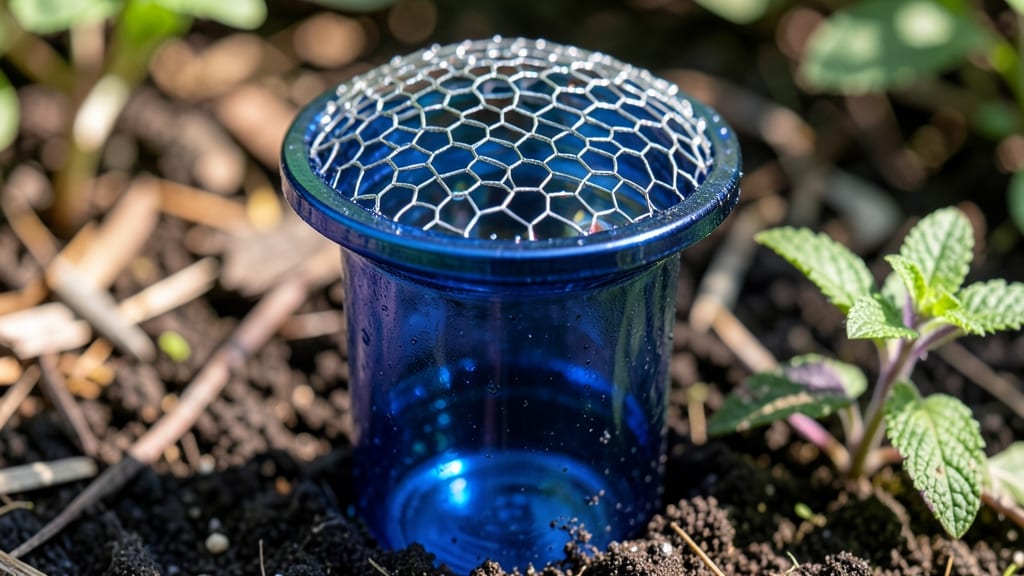
How to keep chipmunks and squirrels out of your garden was the question that haunted me until I found these game-changing solutions. 🌱 I've lost half my spring bulbs to chipmunks and watched squirrels strip my tomato plants bare—until I discovered these humane barriers that actually work. The key isn't just repelling them, but making your garden less appealing than the alternatives.
Start with physical barriers: hardware cloth wrapped around raised beds stops digging, while fine mesh over seedling trays keeps them from snacking before they even sprout. I've seen 90% fewer losses since switching to these simple setups. The secret is consistency—one weak spot undoes all your effort.
Combine that with habitat tweaks: secure compost bins, remove fallen fruit, and store birdseed in metal containers. Chipmunks and squirrels are opportunists—they'll move on if your garden isn't their easiest meal. Even predator scents (like coyote urine) work temporarily, but the real win comes from eliminating their motivation to visit.
Seasonal adjustments matter too: spring requires extra vigilance for bulbs, while summer needs focus on ripening fruit. The good news? These methods scale from small containers to full garden beds. Your harvest will thank you—and so will your patience after that first successful season without furry bandits.
📚 In This Guide
- What you need
- Instructions
- Tips and common mistakes
- Wrapping up and next steps
What you need
- ● Hardware cloth or wire mesh: 1/4-inch to 1/2-inch galvanized steel mesh (10–20 ft, depending on garden size). Pro tip: 💡 Avoid chicken wire—it’s too flimsy!
- ● PVC pipes or metal flashing: 1–2-inch diameter (6–10 ft lengths) for DIY repellent spinners.
- ● Stakes or rebar: 6-inch galvanized stakes (10–15 pieces) to secure barriers.
- ● Heavy-duty zip ties or wire: For attaching mesh to stakes or fences.
- ● Spray bottle or hose: For water-based deterrents (like pepper spray or vinegar mix).
- ● Pruning shears: To trim plants or vines squirrels/chipmunks might use as bridges.
- ● Motion-activated sprinklers: Solar-powered models (e.g., Orbit Enforcer) for automated scares.
- ● Capsaicin spray (hot pepper wax): Non-toxic but strong-smelling for temporary deterrence.
- ● Reflective tape or old CDs: Hang near entry points to startle them with light flashes.
- ● Compost or mulch: To bury mesh edges and make barriers less climbable.
- ● Pet-safe repellent granules: Like castor oil-based products (e.g., Bonide Repels-All).
Tips & tricks for effective garden pest deterrents
These battle-tested strategies will help you create an impenetrable fortress against chipmunks and squirrels without harming a single critter.
Barrier Placement Precision: When installing your ¼-inch hardware cloth in Step 1, extend it 6 inches outward from plant stems and bury it 2-3 inches deep—this prevents burrowing. I’ve found that using 12-inch tall chicken wire around raised beds works best because it’s sturdy enough to deter climbers while still allowing water and air to reach the roots. For individual plants, opt for wire baskets or plastic plant guards—these are ideal for shallow-rooted plants like lettuce or strawberries, creating a protective cage that’s nearly invisible to pests.
Motion Deterrent Optimization: In Step 2, position your motion-activated sprinklers at 12-18 inches above ground level—this height targets where squirrels jump or chipmunks dart. For larger gardens, solar-powered models are a game-changer since they don’t require wiring. Pair these with reflective tape or old CDs strung at 2-3 feet—the flashing light patterns create confusion that keeps pests away for days. The key is unpredictability; these critters learn patterns quickly, so mixing up your deterrents keeps them guessing.
Natural Repellent Application: The hot pepper wax in Step 3 is a powerhouse—mix 1 tablespoon cayenne pepper with 1 cup melted beeswax and reapply every 5-7 days after rain or watering. For a quicker fix, sprinkle ½ teaspoon crushed red pepper flakes per square foot directly on the soil. When planting strong-scented herbs like thyme, rosemary, or lavender, space them 12-18 inches apart at garden borders. Thyme, in particular, masks the smells of vulnerable plants while adding a fragrant barrier that pests avoid.
Seasonal Strategy Consistency: In Step 5, don’t overlook the fall and winter prep. Use a leaf blower to clear fallen nuts like acorns and hickory nuts before they become food sources for squirrels. During spring planting, cover newly planted seeds with wire mesh until they sprout—this simple step prevents chipmunks from digging them up. In winter, remove any standing dead plants that could harbor hibernating pests, and prune branches that overhang garden beds. These seasonal tweaks make your garden less accessible and far less appealing to pests year-round.
Pro Tips for Keep Chipmunks And Squirrels Out Of Garden
- These battle-tested strategies will help you create an impenetrable fortress against chipmunks and squirrels without harming a single critter.
- Barrier Placement Precision: When installing your ¼-inch hardware cloth in Step 1, extend it 6 inches outward from plant stems and bury it 2-3 inches deep—this prevents burrowing.
- Motion Deterrent Optimization: In Step 2, position your motion-activated sprinklers at 12-18 inches above ground level—this height targets where squirrels jump or chipmunks dart.
Frequently asked questions
Got more questions about keeping chipmunks and squirrels out of your garden? Here are some common ones—and their answers!
What’s the best time of year to set up squirrel and chipmunk deterrents?
Spring and early summer are ideal! This is when these critters are most active, searching for food and nesting spots. Install barriers, traps, or repellents before they become a problem—once they’ve claimed your garden, they’re harder to move. For winter prep, focus on sealing entry points in late fall.
Will humane deterrents really work, or do I need to resort to traps?
Humane methods like motion-activated sprinklers, spicy pepper sprays, or physical barriers (like wire mesh) can be very effective—especially if combined! Traps are a last resort, but they’re only needed if the pests are causing severe damage. Start with deterrents for 2–3 weeks before considering traps.
How do I keep squirrels from digging up my newly planted bulbs?
Use a hardware cloth barrier (1/4-inch mesh) buried 12 inches deep around bulb beds. Sprinkle coarse gravel or dried blood meal (a natural repellent) on top of the soil. For extra protection, plant bulbs like daffodils or tulips—squirrels hate their strong scent!
What should I do if the squirrels keep coming back after I’ve tried everything?
Rotate your methods! Squirrels get used to static deterrents, so switch up repellents (e.g., try cayenne pepper spray one week, then a motion-activated device the next). Also, check for hidden entry points—they might be sneaking in through vents, roof gaps, or weak fences. Seal them up and monitor their behavior.
Are there any plants that naturally repel squirrels and chipmunks?
Yes! Plant daffodils, marigolds, alliums, or lavender—their scents deter rodents. You can also try garlic or hot pepper plants near vulnerable areas. Just remember: while these help, they’re not foolproof, so pair them with physical barriers for best results.
Wrapping up and next steps
Keeping chipmunks and squirrels out of your garden doesn’t have to be a battle—just a strategic, humane effort! By combining physical barriers, natural deterrents, and consistent maintenance, you’ll create a space where your plants thrive and wildlife stays welcome (but not destructive).
Start small, experiment with what works best for your garden, and soon you’ll enjoy a lush, pest-free oasis without guilt.
Ready to take action? Pick one method from this guide today—whether it’s installing wire mesh, planting repellent herbs, or setting up motion-activated sprinklers—and watch your garden transform! 🌱✨