
How To
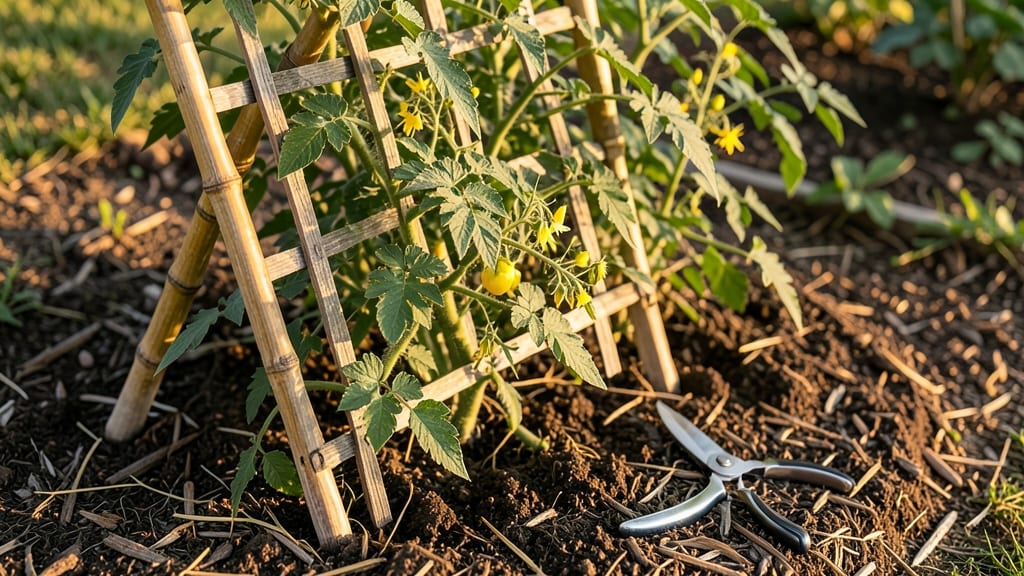
Tall tomato plants reaching 8 feet in containers—it’s possible, and I’ve done it. 🌱 The secret isn’t just the right stakes or soil, but how you train them from day one to grow upward instead of sprawling.
My first attempt nearly collapsed under its own weight, but now I’ve got a foolproof system that works even in small spaces.
Start with indeterminate varieties like 'Sungold' or 'Cherokee Purple'—they’re built for height. Use a 5-gallon container (bigger roots = taller plants) and a sturdy stake or trellis installed at planting time.
Prune suckers weekly, water deeply at the base, and fertilize with compost tea every 2 weeks. The payoff? Heavy vines laden with fruit that never touch the ground.
📚 In This Guide
- What you need
- Instructions
- Tips and common mistakes
- Wrapping up and next steps
What you need
- ● Tomato Seeds or Seedlings: Indeterminate varieties (e.g., Sungold, Brandywine, or Cherokee Purple)—choose disease-resistant types if possible.
- ● Quantity: 1–2 plants per 5-gallon container (or 1 plant per 10-gallon container for extra support).
- ● Containers: Minimum size: 5 gallons per plant (bigger = better for stability and root growth).
- ● Material: Fabric grow bags, plastic pots with drainage holes, or wooden barrels (ensure they’re sturdy!).
- ● Potting Mix: High-quality container mix (avoid garden soil—it compacts and drains poorly).
- ● Add compost or worm castings (10–20% by volume) for nutrients.
- ● Support System: Stakes: Bamboo stakes (5–6 ft tall) or metal rebar (insert stakes at planting).
- ○ Cages: 5–6 ft tall tomato cages (optional but helpful for lightweight varieties).
- ● Trellis or A-frame: For heavy varieties, use a DIY wooden trellis or commercial tomato trellis.
- ● Fertilizer: Balanced fertilizer (10-10-10 or 5-5-5) at planting.
- ● Tomato-specific fertilizer (high in potassium and phosphorus) mid-season.
- ● Organic options: Fish emulsion, bone meal, or kelp meal.
- ● Watering Supplies: Drip irrigation or soaker hose (to keep soil moist without overwatering).
- ● Watering can with a long spout (for precise watering).
- ● Pruning Tools: Bypass pruners (for trimming suckers and dead leaves).
- ● Garden shears (for larger branches).
- ● Mulch: Straw or shredded leaves (2–3 inches thick) to retain moisture and suppress weeds.
- ● Grow Lights: If starting seeds indoors, use LED grow lights (12–16 hours/day).
- ● Plant Ties: Soft velcro or cloth ties to secure vines to stakes/trellises.
- ● Mycorrhizal Fungi: Adds to potting mix to boost root health.
- ● Row Covers: Lightweight fabric to protect seedlings from pests.
- ● pH Test Kit: Ensures soil pH is 6.0–6.8 (tomatoes prefer slightly acidic soil).
- ● Compost Tea: Organic liquid fertilizer for a nutrient boost.
Step-by-Step instructions for growing stake-supported tomato giants
Here's how I grow tomatoes that reach 6+ feet tall—strong, sturdy, and loaded with fruit.
🌱 Step 1: Select and Prepare the Right Containers
Choose 5-gallon containers with drainage holes—taller plants need deeper roots and more stability. I use fabric grow bags because they allow roots to breathe and prevent circling. Fill each with a mix of 60% potting soil, 30% compost, and 10% perlite to ensure excellent drainage while retaining moisture.
Tap the container gently to settle the mix, then water thoroughly until it's evenly moist but not soggy. The goal is a fluffy, aerated medium that won't compact as the plant grows. Press the soil down lightly with your fingers to create a firm planting surface—this helps prevent seedlings from toppling over later.
☀️ Step 2: Plant Seedlings Deep and Install Support Early
Dig a hole twice as deep as the root ball and place your tomato seedling in, then backfill with soil until only the top set of leaves remains above ground. This encourages stronger root development from the buried stem. The reason we bury so much is that tomatoes naturally grow new roots along their stems—more roots mean more support and more fruit.
Immediately insert a 6-foot bamboo stake or metal tomato cage into the center of the container, driving it in until it's firmly anchored. If using a stake, tie the main stem loosely to it with soft plant ties every 12 inches as the plant grows. You'll see the plant lean toward the light at first—that's normal, but the ties will guide it straight.
💧 Step 3: Water Deeply and Maintain Consistent Moisture
Water your newly planted tomato deeply until water runs out the drainage holes. This ensures the roots establish quickly in the moist soil. After that, water when the top 2 inches of soil feel dry—usually every 2-3 days in hot weather. The key here is consistency: tomatoes hate drying out completely, but they also despise soggy roots.
I water in the morning so the foliage has time to dry before evening. Wet leaves at night invite fungal diseases like blight, which can wipe out a plant in days. You'll notice the leaves perk up after watering—that's your signal the plant is happy and hydrated.
✂️ Step 4: Prune for Airflow and Strengthen the Stem
When your plant reaches 18 inches tall, start pruning suckers—the small shoots that form in the leaf axils. Remove these with your fingers or clean pruners, leaving only the main stem and its branches. This might seem cruel, but pruning directs the plant's energy into fewer, stronger stems that produce more fruit.
Pinch off the first flower cluster that appears. It's tempting to let those early blooms set fruit, but removing them encourages the plant to focus on growing taller and stronger first. You'll see new growth spurt upward after this pruning—that's the plant redirecting its energy into the main stem.
🌿 Step 5: Fertilize and Monitor for Pests
Feed your tomato plants every 2-3 weeks with a balanced, 10-10-10 fertilizer diluted to half strength. Too much fertilizer leads to lush foliage but few tomatoes. I also add a handful of compost around the base of the plant monthly to provide slow-release nutrients. The goal is steady, balanced growth—not a sudden nitrogen boost.
Check the undersides of leaves weekly for early signs of pests like aphids or whiteflies. A strong spray of water usually knocks them off, but for persistent infestations, I use neem oil. You'll notice the plants growing faster and developing thicker stems as they mature—that's your reward for consistent care.
Tips & tricks for growing tall tomato plants
Growing tomatoes that reach skyward takes more than just good soil—it's about the details that make all the difference. Here's what I've learned from years of growing six-foot giants in containers.
Container Selection Matters: Fabric grow bags are my go-to because they prevent root circling and allow roots to breathe, which is crucial for plants reaching 6+ feet. If you must use plastic containers, make sure they're at least 5 gallons with drainage holes—smaller containers will stunt growth. I've seen plants in inadequate containers struggle to reach half their potential height, even with perfect care.
Deep Planting Creates Stronger Roots: When you plant your seedling twice as deep as its root ball in Step 2, you're not just burying it—you're creating a root factory. Tomato stems naturally develop roots along their buried sections, which gives your plant a stronger foundation for that vertical growth. Think of it like building a skyscraper: deep roots are the foundation that supports the towering structure above.
Watering Wisdom for Towering Plants: The 2-3 day watering schedule in Step 3 becomes even more critical with tall plants. Deeper roots mean you need to water more deeply to reach them, but don't let the top 2 inches dry out completely—that's your signal to water. I've seen plants wilt dramatically when their deep roots can't keep up with surface drying, even when the soil below seems moist. Morning watering is non-negotiable for preventing fungal diseases that thrive in damp evening foliage.
Pruning Strategy for Height: That first flower cluster you pinch off in Step 4 might feel like a waste, but it's actually an investment in your plant's future. Removing early flowers redirects the plant's energy upward, creating a stronger stem that can support more weight—and more fruit—as it grows. I've seen plants that skipped this step grow lopsided with weak stems that couldn't support their own fruit load.
Pro Tips for Grow Tall Tomato Plants
- Growing tomatoes that reach skyward takes more than just good soil—it's about the details that make all the differenc...
- Container Selection Matters: Fabric grow bags are my go-to because they prevent root circling and allow roots to brea...
- Deep Planting Creates Stronger Roots: When you plant your seedling twice as deep as its root ball in Step 2, you're n...
Frequently asked questions
Got questions about growing towering tomato plants?
You’re not alone! Here are answers to the most common queries—from timing to troubleshooting—so you can cultivate those juicy giants with confidence.
How tall can tomato plants grow in containers with stakes?
With proper support, indeterminate varieties (like 'Sungold' or 'Cherokee Purple') can soar 6–10 feet tall in containers! Use sturdy stakes (5–7 ft) or cages, and prune suckers to direct energy upward. Just ensure your pot has drainage holes and is at least 5 gallons—root-bound plants won’t reach their full potential.
When should I stake my tomato plants?
Stake your plants early—as soon as you transplant seedlings (or when they’re 6–12 inches tall). Bury the stake halfway into the soil for stability, then gently tie the main stem with soft ties (like old T-shirts or plant clips). Pro tip: Avoid wrapping too tight—you want to support, not strangle!
Why are my staked tomato plants leaning or falling over?
Leaning stems usually mean weak stems, wind stress, or poor support. Check these fixes:
- Re-stake if the original stake is too short or flimsy.
- Tie more securely—use a figure-8 loop around the stem to prevent rubbing.
- Add weight (like a small brick) to the pot’s base if it’s top-heavy.
- Prune lower leaves to reduce wind catch.
Can I use alternatives to stakes (like cages or trellises) for tall tomatoes?
Cages
(5–6 ft tall) work great for determinate varieties but may need extra ties for indeterminates. Trellises (like A-frame or tomato towers) are ideal for containers—they save space and encourage vertical growth. Just ensure the structure is wind-resistant and wide enough to support heavy fruit loads.
What do I do if my tall tomato plant’s leaves turn yellow?
Yellow leaves often signal overwatering, nutrient deficiency, or disease. Try this:
- Check soil moisture—stick your finger 1 inch deep. If soggy, let it dry slightly.
- Fertilize with a balanced tomato food (like 10-10-10) or compost tea.
- Inspect for pests (aphids, spider mites) or fungal spots (like early blight). Prune affected leaves and treat with neem oil if needed.
Wrapping up and next steps
Growing tall, sturdy tomato plants in containers is totally doable—even for beginners! 🌱 With the right staking techniques, nutrient-rich soil, and a little patience, you’ll be harvesting sun-ripened giants in no time.
Remember, consistency is key: prune regularly, water wisely, and give your plants the support they need to reach their full potential.
Now that you’re armed with the know-how, roll up your sleeves and get planting! Start with a single container or expand your garden—either way, you’re on your way to a bountiful harvest. Happy growing! 🍅✨