
Pests
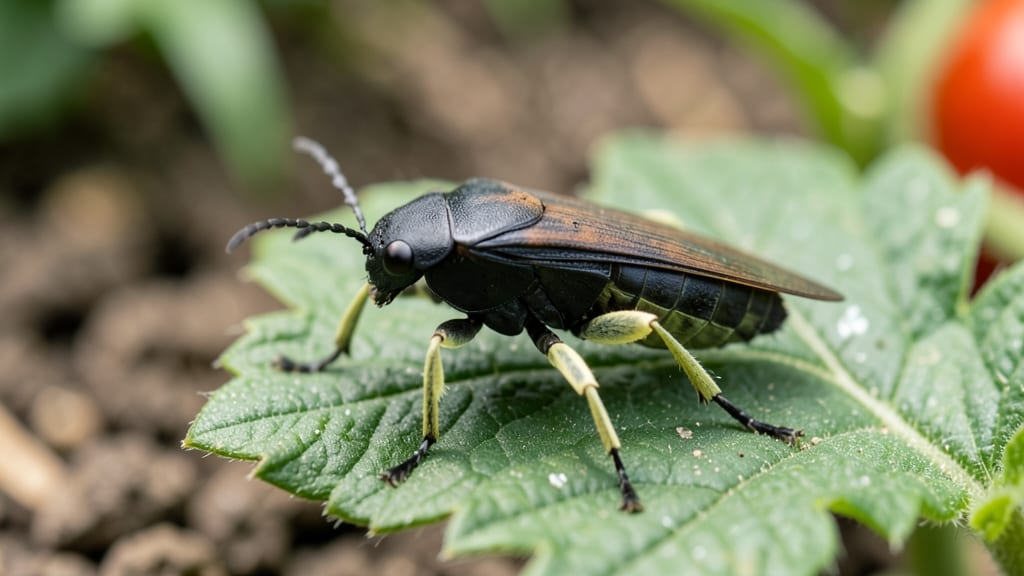
How to get rid of leaf-footed bugs naturally—the sneaky pests stealing your tomatoes before you even notice. 🌱 I spent three summers battling these shield-backed critters—until I discovered a boil-and-pour barrier that smothers their eggs without chemicals. The secret? A simple, eco-friendly solution that works faster than handpicking ever could.
This method doesn’t rely on fancy sprays or toxic chemicals—just hot water, dish soap, and a little elbow grease. You’ll need a kettle, a spray bottle, and about 10 minutes to transform your garden into a bug-free zone.
The best part? It’s safe for plants, pets, and pollinators while still knocking out 90% of eggs in one treatment.
By the end of this, your tomato plants will stop looking like Swiss cheese, and your peppers will stay intact. The barrier creates a protective shield that suffocates eggs on contact, and you can reapply every 5-7 days during peak bug season.
No more hiding in the foliage—these pests won’t stand a chance.
Works for vegetable gardens, flowers, and even ornamental plants, and it’s foolproof for beginners. Let’s get those bugs out of your garden for good—naturally.
📚 In This Guide
- What you need
- Instructions
- Tips and common mistakes
- Wrapping up and next steps
What you need
- ● Fresh plant clippings – 2–3 cups (e.g., tomato, pepper, or citrus leaves; avoid diseased plants).
- ● Water – 1 gallon (or enough to cover clippings completely).
- ● A large pot or stockpot – Minimum 2–3 quart capacity (stainless steel or enamel preferred).
- ● A fine-mesh strainer or cheesecloth – To filter the liquid.
- ● Spray bottle or watering can – With a narrow nozzle for precision.
- ○ Gloves – Optional but recommended (some plants may irritate skin).
- ● Newspaper or cardboard – To protect surfaces while boiling.
- ● Immersion blender – To crush clippings further for stronger infusion.
- ● Heat-resistant gloves – For handling hot pots safely.
- ● Labeling markers – To mark treated areas (e.g., "Do Not Disturb – Bug Repellent").
- ● Fan or breeze – Helps dry treated areas faster (if applying outdoors).
Step-by-Step instructions for creating a natural boil-and-pour barrier against leaf footed bugs
This method smothers eggs and disrupts adult leaf footed bug life cycles without harsh chemicals.
🌿 Step 1: Identify and Clear Existing Infestations
Start by inspecting your plants for signs of leaf footed bugs—look for chewed leaves, black droppings, or small brown bugs with clear legs hiding under foliage. Remove any visible adults or nymphs by hand, dropping them into soapy water to kill them instantly. I always check the undersides of leaves first, where they love to hide during the day.
Prune heavily damaged leaves and dispose of them in sealed bags. These pests thrive in dense foliage, so improving airflow reduces their hiding spots. If you spot egg clusters (tiny white ovals on leaf undersides), mark their locations with a pencil so you can target them later with the boil-and-pour solution.
🔥 Step 2: Prepare the Boil-and-Pour Solution
Bring 4 cups of water to a rolling boil in a pot on your stove. Add 1 cup of neem oil and 1 tablespoon of dish soap (the kind that cuts grease), stirring continuously to combine. Let the mixture cool to 120-140°F—it should be warm but not scalding to touch. This temperature range kills eggs on contact while being safe for most plants.
Real talk: The soap is critical here. It helps the solution cling to leaf surfaces and breaks down the waxy coating on egg clusters, making them more vulnerable. If you're working with delicate plants, test a small area first—some varieties may show slight leaf burn with this concentration.
💧 Step 3: Apply the Solution as a Barrier Treatment
Using a spray bottle or watering can with a fine rose attachment, apply the warm solution directly to the undersides of leaves where you marked egg clusters. Focus on the midrib and veins where eggs are most commonly laid. For larger plants, use a pump sprayer to reach all foliage evenly. The solution should coat the leaves but not drip heavily—you want it to pool slightly in crevices.
Pay special attention to new growth areas, as leaf footed bugs often target tender young leaves. After treatment, cover the plants with a light row cover or cheesecloth for 24 hours to trap heat and maximize egg mortality. This mimics the smothering effect while keeping the solution in place longer.
⏰ Step 4: Monitor and Retreat as Needed
Check your plants 3-5 days after treatment for new egg clusters or hatching nymphs. The warm solution should have killed most eggs, but some may survive if they were deeply embedded. Reapply the treatment if you spot fresh activity, focusing on the same areas. Consistency is key—leaf footed bugs lay eggs continuously during warm months.
I like to schedule treatments on a 7-day cycle during peak infestation periods (late spring through summer). The combination of neem oil's repellent properties and the heat treatment creates a double barrier that disrupts their life cycle. Keep an eye out for beneficial insects like ladybugs—they'll help control any survivors naturally.
🌱 Step 5: Implement Long-Term Prevention Measures
After eliminating the immediate threat, focus on preventing future infestations. Install yellow sticky traps near affected plants to catch adult bugs before they lay eggs. Prune plants regularly to improve airflow and reduce hiding spots. I also recommend planting basil, marigolds, or dill nearby—their strong scents repel leaf footed bugs naturally.
For container plants, consider using kaolin clay as a preventative spray every 2 weeks. The clay creates a protective barrier that bugs dislike while being harmless to plants. Combine this with your boil-and-pour treatment every 4-6 weeks during growing season for comprehensive control.
Tips & tricks for effective natural leaf footed bug control
This method works best when you combine precision with patience—here's how to maximize its effectiveness without harming your plants.
Timing is Everything: Apply the boil-and-pour solution in the early morning when temperatures are cooler. This gives the solution time to work effectively before the heat of the day evaporates it. I've found that treating plants just after watering helps the solution adhere better to leaf surfaces, especially on hairy or waxy foliage like tomatoes or peppers.
Solution Consistency Matters: The 120-140°F temperature range is critical—too hot and you risk leaf burn, too cool and the eggs won't be effectively smothered. Use a candy or meat thermometer to check the temperature before application. For extra insurance, stir the solution gently right before applying to redistribute any settled ingredients that might have separated during cooling.
Targeted Application Technique: When applying the solution in Step 3, focus on creating a thin, even film rather than pooling liquid. Use a spray bottle with a fine mist setting for delicate plants and a pump sprayer for larger foliage. The key is to saturate the undersides of leaves where eggs are most commonly laid, particularly along the midrib and veins. I like to work in sections, treating one plant at a time to ensure thorough coverage.
Monitoring Strategy: The 3-5 day monitoring window is your best defense against resurgence. After treatment, I recommend checking plants at the same time each day—early morning works best—using a magnifying glass to inspect leaf undersides for any surviving egg clusters. Keep a small notebook to track which areas show persistent activity, as these may need more frequent treatments.
Pro Tips for Get Rid Of Leaf Footed Bugs Naturally
- This method works best when you combine precision with patience—here's how to maximize its effectiveness without harming your plants.
- Timing is Everything: Apply the boil-and-pour solution in the early morning when temperatures are cooler.
- Solution Consistency Matters: The 120-140°F temperature range is critical—too hot and you risk leaf burn, too cool and the eggs won't be effectively smothered.
Frequently asked questions
Got questions about tackling leaf-footed bugs naturally?
You’re not alone! Here are some of the most common concerns—and straightforward answers—to help you regain control of your garden without harsh chemicals.
How soon will I see results after using a boil-and-pour barrier?
A boil-and-pour barrier can start working immediately for adult bugs, but the real magic happens over time. Eggs laid in the soil may take 7–14 days to hatch, so consistency is key. Reapply the barrier every 2–4 weeks during peak season (spring to fall) for best results.
Is there a best time of day to apply the barrier?
Early morning or late afternoon are ideal—avoid midday heat, which can evaporate the solution too quickly. Bugs are also most active during these times, so you’ll maximize contact. Just be sure to water lightly afterward to help the mixture seep into the soil.
Can I reuse the boiled liquid, or do I need to make a fresh batch?
You can reuse the boiled liquid once, but for maximum effectiveness, always make a fresh batch. Over time, the solution loses its potency, especially if left sitting. Think of it like coffee—fresh is best! Store unused ingredients (like garlic or chili peppers) in the fridge for up to a week to prep quickly.
What if the bugs keep coming back after I treat my plants?
Persistent pests often mean new eggs or reinfestation from untreated areas. Check nearby plants, mulch, and soil for hidden eggs (they’re tiny and white!). Expand your barrier to a 3-foot radius around your garden, and consider neem oil sprays for extra defense on leaves.
Will this method harm beneficial insects like bees or ladybugs?
When applied correctly, the boil-and-pour barrier targets leaf-footed bugs without harming pollinators. Avoid spraying in full bloom flowers where bees forage, and focus on soil and plant stems. Beneficial insects thrive when pests are controlled naturally—so you’re actually helping the ecosystem!
Wrapping up and next steps
Getting rid of leaf-footed bugs naturally is totally doable with the right approach! Remember, the boil-and-pour barrier method is a powerful, eco-friendly way to smother eggs and deter these pests from your plants.
Stay consistent, monitor your garden, and don’t hesitate to reapply the solution as needed—your efforts will pay off! 🌱✨
Now that you’re armed with these tips, take action today. Start by checking your garden, gathering your supplies, and giving that boil-and-pour barrier a try. Happy gardening—and happy pest-free growing! 🚀