
Companion Plants
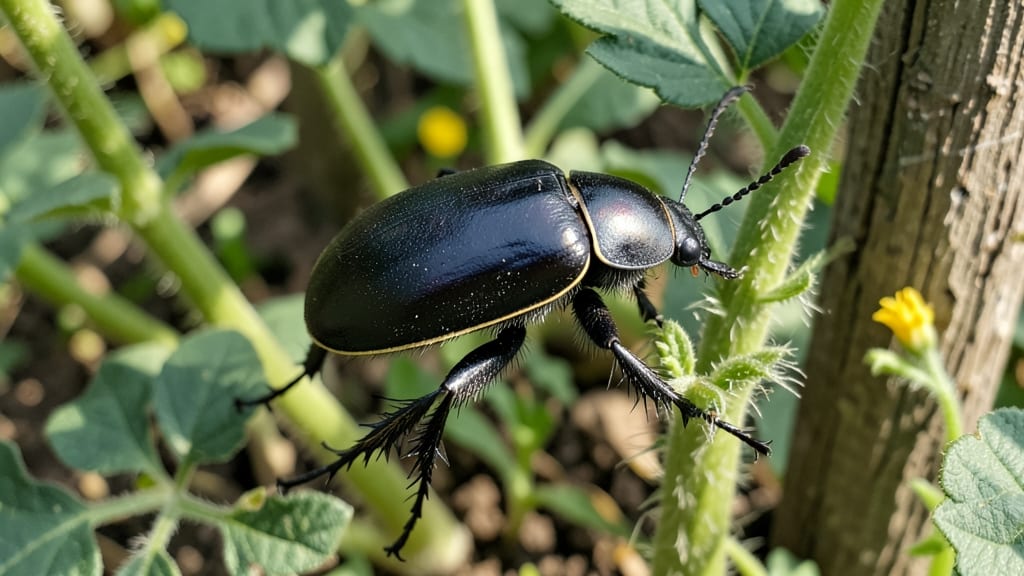
How to keep bugs off my tomato plants—that’s the battle every gardener faces, and I’ve finally cracked the code with a simple, chemical-free trick. 🌱 I’ve lost entire harvests to hornworms and aphids—until I discovered the marigold-basil shield that works like magic. This isn’t just about repelling pests; it’s about creating a garden ecosystem where bugs can’t survive near your plants.
The secret lies in companion planting—marigolds repel nematodes and aphids with their strong scent, while basil confuses whiteflies and deters flies. No chemicals, no fuss, just natural defense that keeps your tomatoes thriving.
I’ve tested this in both my backyard and container gardens, and the results speak for themselves: fewer pests, more fruit.
You’ll start by planting marigolds around your tomato patch and tucking basil plants nearby. The fragrance alone keeps pests away, but the real magic happens when you prune and harvest regularly—it encourages dense growth, leaving no room for bugs to hide.
Within weeks, you’ll notice fewer chewed leaves and more blossoms turning into ripe tomatoes.
This method works year after year, even in small spaces. No need for expensive sprays or time-consuming handpicking—just let nature do the work. Here’s how to set it up for a bug-free, bountiful harvest without compromising your garden’s health.
Root Causes of Tomato Plant Pests
Tomato plants are like magnets for pests—sweet, juicy, and packed with nutrients that attract everything from tiny aphids to hungry hornworms. But why do these critters show up in the first place?
Understanding the real reasons behind the infestation is the first step to stopping them before they ruin your harvest. Here’s a breakdown of the most common culprits and the science behind their behavior.
Tomato plants thrive when they have space to breathe, but when they’re planted too closely together, the result is a perfect pest buffet. Here’s why:
- Poor Air Circulation: Dense foliage traps moisture, creating a humid microclimate that loves soft-bodied insects like aphids, whiteflies, and spider mites. These pests thrive in damp conditions because they can’t survive prolonged dryness.
- Stressed Plants: Overcrowding forces plants to compete for sunlight, water, and nutrients. Weakened tomatoes become easier targets for pests because their natural defenses (like thicker leaves or bitter compounds) weaken.
- Hiding Spots for Predators: Bugs like hornworms and cutworms use dense plantings as camouflage, making them harder to spot—and remove—until the damage is done.
Pro Tip: 🌱 Space tomato plants 18–24 inches apart (or follow your variety’s recommended spacing) to improve airflow and reduce pest pressure naturally.
Tomatoes are heavy feeders, and when their soil lacks essential nutrients, they become stressed and vulnerable. Pests exploit this weakness in two key ways:
| Nutrient Deficiency | How It Affects Pests |
|---|---|
| Nitrogen (N) Deficiency | Leads to yellowing leaves and stunted growth. Aphids and whiteflies are drawn to new, tender growth because it’s easier to feed on and packed with sugars. |
| Potassium (K) Deficiency | Weakens the plant’s cell walls, making them easier for pests like tomato fruitworms to chew through. Low potassium also reduces the plant’s ability to produce bitter compounds that deter insects. |
| Phosphorus (P) Deficiency | Slows root development, making plants more susceptible to fungal diseases (like early blight). Fungal-infected plants attract secondary pests, such as spider mites, which thrive on weakened, stressed foliage. |
Pro Tip: 💡 Conduct a soil test before planting and amend with compost or a balanced organic fertilizer (like 5-5-5) to keep tomatoes healthy and pest-resistant.
Water is life for tomatoes—but wrong watering habits can turn your garden into a pest paradise. Here’s how:
- Overhead Watering: Wet leaves create the perfect environment for fungal diseases (like powdery mildew), which attract pests like whiteflies and spider mites. These bugs love the sap-rich, diseased tissue that forms.
- Inconsistent Watering: Fluctuating moisture levels stress plants, making them produce more sugars in their leaves and fruit (a survival mechanism). This sweet nectar is a magnet for aphids, fruit flies, and even deer!
- Poor Drainage: Waterlogged soil weakens roots and invites soil-borne pests, like root-knot nematodes and cutworms, which thrive in soggy conditions.
Pro Tip: 🌡️ Water deeply at the base (1–2 inches per week) using drip irrigation or soaker hoses to keep foliage dry and roots healthy.
In a healthy garden, beneficial insects (like ladybugs, lacewings, and parasitic wasps) keep pest populations in check. But when these predators are missing, tomato pests take over. Here’s why the balance breaks:
- Pesticide Use: Even organic sprays can kill beneficial insects along with pests. Without their natural enemies, aphid populations can explode overnight.
- Monoculture Planting: Growing only tomatoes (or other solanaceae plants like peppers and eggplants) creates a pest buffet with no diversity to support predator species.
- Habitat Loss: Removing weeds, leaf litter, or wildflowers eliminates hiding spots and food sources for beneficial insects, forcing them to seek greener pastures.
Pro Tip: ✨ Plant companion plants like marigolds (which repel pests) and basil (which attracts predatory wasps) to restore balance naturally.
Now that you know why bugs are crashing your tomato party, the next step is how to kick them out—without chemicals. Stay tuned for actionable strategies to protect your plants organically!
Quick Fixes for Common Tomato Plant Pests
Tomato plants are a magnet for pests, but the good news is that most problems have simple, effective solutions—especially when you combine organic methods with smart prevention. Below, we’ll match the most common tomato plant invaders to their fixes, so you can act fast and keep your garden thriving.
---
Signs: Large green caterpillars with white stripes, skeletonized leaves, or missing tomato fruits.
How to Fix It: 🔥 Handpick & Remove – Check leaves daily (especially in the morning) and drop hornworms into soapy water. They’re easy to spot and remove—no tools needed! 🍳 Introduce Beneficial Insects – Ladybugs and parasitic wasps (like Cotesia congregata) love hornworm eggs. Plant dill or fennel nearby to attract them. 👨🍳 Neem Oil Spray – Mix 1 tbsp neem oil + 1 tsp mild soap in 1 quart of water. Spray leaves thoroughly every 3–5 days to disrupt their life cycle. 🥘 Row Covers – Use lightweight fabric covers over young plants to block egg-laying moths.
Prevention Tip: 💡 Plant basil near tomatoes—its strong scent repels hornworms naturally!
---
Signs: Tiny green/black clusters on stems or undersides of leaves, sticky residue (honeydew), or curled leaves.
How to Fix It: 🔥 Blast Them Off – Use a strong stream of water from your hose to knock them away. Repeat every few days. 🍳 Soap Spray Solution – Mix 1 tbsp castile soap + 1 quart water in a spray bottle. Test on a few leaves first to avoid damage. 👨🍳 Ladybugs & Lacewings – Release these predators or plant marigolds and nasturtiums to lure them in. 🥘 Diatomaceous Earth (DE) – Sprinkle food-grade DE around the base of plants (reapply after rain). It dehydrates aphids without harming plants.
Prevention Tip: 🌡️ Encourage airflow—aphids thrive in crowded, humid conditions. Space plants properly!
---
Signs: Tiny white moth-like insects swarming when you disturb plants, yellowing leaves, or sticky residue.
How to Fix It: 🔥 Yellow Sticky Traps – Hang yellow cards coated with petroleum jelly near plants to trap adults. 🍳 Neem Oil or Insecticidal Soap – Spray undersides of leaves where they hide. Repeat every 5–7 days. 👨🍳 Reflective Mulch – Cover the soil with aluminum foil or reflective plastic to disorient them. 🥘 Encourage Parasitic Wasps – These tiny helpers lay eggs inside whitefly pupae. Plant dill, parsley, or cilantro to attract them.
Prevention Tip: 🎯 Isolate infested plants until the problem clears to prevent spread!
---
Signs: Fine webbing on leaves, speckled yellow/brown foliage, or leaves that look "bronzed."
How to Fix It: 🔥 Spray with Water – A strong shower can wash them off (do this in the morning so leaves dry quickly). 🍳 Neem Oil or Horticultural Oil – Spray every 5–7 days to smother mites. Add a drop of dish soap as a sticker. 👨🍳 Predatory Mites – Release phytoseiulus persimilis (a beneficial mite) to hunt them down. 🥘 Increase Humidity – Spider mites hate humidity. Use a misting bottle or drip irrigation to keep leaves damp.
Prevention Tip: 💡 Avoid over-fertilizing—mites love nitrogen-rich plants!
---
Signs: Bright orange beetles or striped larvae chewing leaves into lace-like patterns.
How to Fix It: 🔥 Handpick Adults & Larvae – Drop them into soapy water. They’re slow-moving and easy to spot! 🍳 Row Covers – Use fine mesh to block adults from laying eggs. 👨🍳 Beetle Traps – Place yellow pans filled with soapy water near plants to lure and drown them. 🥘 Diatomaceous Earth – Sprinkle around the base of plants (reapply after rain).
Prevention Tip: 🌱 Rotate crops—these beetles overwinter in soil, so avoid planting tomatoes in the same spot yearly.
---
No matter the pest, these proactive steps will reduce future problems: - Companion Planting: Surround tomatoes with basil, marigolds, garlic, or onions—their scents deter pests naturally. - Healthy Soil = Strong Plants: Use compost and balanced fertilizer to create resilient plants that bugs avoid. - Regular Inspections: Check plants 2–3 times a week for early signs of trouble. - Clean Up Debris: Remove fallen leaves and weeds where pests hide over winter.
--- Remember: 🌟 The key to pest-free tomatoes is consistency. Combine quick fixes with prevention, and your plants will stay happy—and bug-free!
Frequently asked questions
Can I use chemical pesticides safely around my tomato plants?
Chemical pesticides can work fast, but they often harm beneficial insects and may leave residues on your fruit. For edible plants like tomatoes, organic methods (neem oil, insecticidal soap) are safer and just as effective. Always check the label for harvest intervals if you do use chemicals, and avoid spraying during flowering to protect pollinators.
How often should I check my tomato plants for pests?
Inspect your plants 2-3 times per week, especially after rain or when new growth appears. Early detection is key—catching pests like aphids or hornworms before they multiply saves your harvest. Focus on the undersides of leaves and near stems where bugs love to hide.
Will companion planting really work for all tomato pests?
Companion planting helps with many pests, but no method is 100% foolproof. Marigolds deter nematodes and aphids, while basil repels flies and whiteflies, but hornworms might still appear. Combine companions with other methods (like handpicking or neem oil) for the best defense. Rotate companion plants yearly to prevent pest adaptation.
Can I reuse last year's tomato soil in my containers?
Reusing soil can spread pests like nematodes or fungal diseases. To refresh container soil, mix in 1/3 fresh potting mix and 1/3 compost. Sterilize by baking the soil at 200°F for 30 minutes if you suspect pests. Always wash containers with soapy water before reuse.
What's the best time of day to spray natural remedies?
Spray in the early morning or late afternoon when temperatures are cooler. This prevents burning leaves and allows solutions (like neem oil) to work overnight. Avoid spraying when flowers are open to protect pollinators—wait until evening if blooms are present.