
Pests
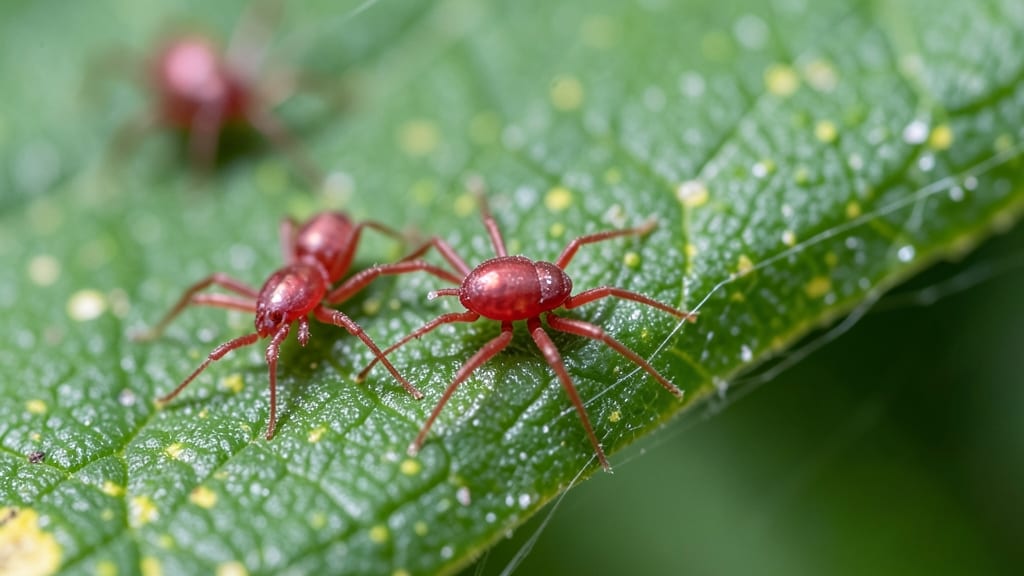
Those tiny red dots on your plants aren’t spiders—they’re spider mites, and how to get rid of the little red spiders is all about speed. They multiply fast. 🌿 I’ve battled them in my garden and learned the best ways to stop them before they wreck your foliage.
These chemical-free traps work in hours, not weeks, and save your plants without harsh sprays.
The problem starts when mites suck plant sap, leaving yellow spots and fine webbing. Most people grab pesticides first, but that kills beneficial insects too. Instead, focus on blasting them off with water, introducing predator mites, or using sticky traps—simple methods that actually work when done right.
By the time you’ve set up your traps, you’ll see fewer mites within 24 hours, and your plants will start recovering in days. The key is acting fast—once they spread, they’re harder to control.
I’ll show you exactly how to spot them early and which traps to use based on your plant type.
Works for houseplants, garden beds, and even patio containers. No more losing your favorite plants to these tiny pests—let’s get them under control for good.
Root Causes Of Tiny Red Invaders
Those tiny red spiders scurrying across your walls, plants, or windows aren’t just a creepy nuisance—they’re often a sign of deeper issues in your home or garden. Understanding why they appear helps you tackle the problem at its source.
Below, we break down the most common reasons these eight-legged critters show up, from environmental triggers to human habits that accidentally invite them in.
If your red spider mites (the most common "red spider" pest) are the culprits, your houseplants might be their all-you-can-eat buffet. These microscopic arachnids thrive in:
- Dry air: Spider mites love low humidity (below 40%). Central heating, air conditioning, or even winter air can suck moisture from leaves, making them a perfect snack. Think of it like a desert for your plants—just what these pests crave.
- Dusty leaves: Dust blocks stomata (tiny plant pores), forcing plants to "sweat" sugar-rich droplets that mites feast on. A dusty fern is like a neon "EAT ME" sign.
- Poor soil drainage: Overwatered or compacted soil creates stagnant conditions, weakening plants and making them easier prey. Pro tip: Stick your finger in the soil—if the top 2 inches are dry, water; if soggy, let it dry out.
💡 Actionable fix: Mist plants daily, group them together to raise humidity, or use a pebble tray with water beneath pots. For outdoor plants, ensure proper drainage and prune crowded foliage to improve airflow.
Red spider mites aren’t the only tiny red pests—booklice (aka psocids) or crawling bookworms (dermestid beetle larvae) can also turn up in damp, poorly ventilated spaces. Here’s how your home might be unknowingly hosting them:
- Bathroom & kitchen nooks: Leaky pipes, damp towels, or unsealed grout create ideal breeding grounds. These pests love moisture but hate direct sunlight.
- Attics & basements: Wood, cardboard, or fabric stashes (like old books, clothes, or insulation) provide shelter. If your attic feels musty, it’s a red flag.
- Houseplants near windows: Sunlight heats one side of a plant while the other stays cool and damp—a perfect mites’ microclimate.
🔥 Fix it fast: Use a dehumidifier in problem areas (aim for 30–50% humidity), wipe down surfaces with vinegar or hydrogen peroxide, and store fabrics/books in sealed plastic bins.
Outdoor red spiders—like harvestmen (daddy longlegs) or red velvet mites—aren’t usually pests but can invade indoors. Their appearance often ties to:
- Drought-stressed plants: When gardens dry out, these arachnids seek shelter inside. Think of them as nature’s way of saying, “Your yard is too hot—let’s move in!”
- Leaf litter & mulch piles: Decaying organic matter attracts moisture-loving pests. A thick layer of leaves is like a five-star hotel for booklice and mites.
- Firewood or woodpiles: Red velvet mites hitchhike on untreated wood. Storing firewood 20+ feet from your home and elevating it off the ground reduces risks.
✨ Outdoor prevention: Water plants deeply but infrequently, mulch properly (2–4 inches, not piles), and keep grass short to deter hiding spots. For firewood, store it in a metal rack and inspect it before bringing it inside.
Sometimes, the blame isn’t on your home—it’s on what you bring in. Red spider mites and other tiny pests often stow away on:
- New plants or soil: Always quarantine new greenery for 2–4 weeks before introducing it to your collection. Inspect leaves, stems, and soil for webbing or tiny moving dots.
- Secondhand furniture or fabrics: Old couches, rugs, or even thrifted curtains can harbor eggs or larvae. Give them a hot wash (130°F+) or freeze them for 48 hours to kill pests.
- Firewood or outdoor decorations: Wicker baskets, potted plants, or even potting soil bags can be contaminated. 💡 Pro tip: Keep a spare workspace outside for cleaning new items.
🚫 Stop the spread: When shopping, check plants for webbing (a sure sign of mites) and avoid buying wilting or dust-covered greenery. For fabrics, use a steam cleaner to kill hidden eggs.
Now that you know why these tiny red menaces show up, the next step is targeted, chemical-free solutions to evict them—fast. The key? Disrupt their environment before they disrupt yours.
Quick Fixes for Tiny Red Invaders
Discovering little red spiders scurrying through your home can feel like a nightmare, but the good news? Most infestations can be tackled without harsh chemicals—and often in just a few hours.
The key is identifying the culprit first (are they harmless red velvet mites or nuisance carpet beetles?) and then applying targeted, eco-friendly solutions. Below, we break down the most effective fixes for each common cause, plus prevention tips to keep them from returning.
(Usually found in damp areas, houseplants, or basements—harmless but persistent.)
🔥 Immediate Removal (5-Minute Fix)
- 🚿 Dump & Disinfect Water Sources
- Red velvet mites thrive in moisture. Empty saucers under houseplants, fix leaky pipes, and wipe down damp walls with a vinegar-water mix (1:1 ratio). Let surfaces dry completely—these mites cannot survive without humidity.
- Pro tip: 💡 Place silica gel packets near infested areas to absorb excess moisture.
- 🌿 Isolate & Treat Houseplants
- Quarantine affected plants outdoors for 48 hours. Wipe leaves with neem oil spray (1 tsp neem oil + 1 tsp dish soap + 1 quart water). Repeat every 3 days until no mites appear.
- Prevention: 🌱 Repot plants in well-draining soil and avoid overwatering.
- 🧹 Vacuum & Steam
- Vacuum carpets, curtains, and furniture seams thoroughly. Empty the vacuum outside immediately. Follow up with a steam cleaner (140°F+) to kill eggs and adults hiding in fabrics.
(Larvae chew fabrics, carpets, and stored goods—adults are the "little red spiders" you see.)
⏰ 24-Hour Eradication Plan
- 🧺 Freeze or Heat-Treat Infested Items
- Seal clothing, rugs, or stuffed animals in plastic bags and freeze for 72 hours (kills all life stages). Alternatively, tumble-dry on high heat for 30+ minutes.
- For books/papers: Place in a sealed bin with diatomaceous earth (DE) for 2 weeks, then vacuum thoroughly.
- 🕯️ Disrupt Their Life Cycle
- Carpet beetle larvae hide in dark, undisturbed spots. Flip and vacuum under furniture, behind baseboards, and in storage boxes. Pay extra attention to:
- Natural fibers (wool, silk, cotton).
- Pet bedding (larvae love fur).
- Prevention: 🎯 Store fabrics in airtight containers with cedar blocks or lavender sachets (they repel beetles).
- Carpet beetle larvae hide in dark, undisturbed spots. Flip and vacuum under furniture, behind baseboards, and in storage boxes. Pay extra attention to:
- 🌿 Trap & Monitor
- Set up pheromone traps (available at garden centers) near entry points (windows, doors). Replace every 2 weeks.
- Outdoor tip: 🌳 Trim vegetation touching your home—beetles hitchhike inside on plants.
(Tiny red/orange pests on houseplants—suck sap and cause yellowing leaves.)
🍳 3-Step Plant Rescue
- 💦 Blast Off with Water
- Spider mites hate water. Rinse infested plants outside with a strong stream from the hose (or shower them gently). Repeat every 2–3 days until mites vanish.
- For delicate plants: 🌡️ Wipe leaves with a damp microfiber cloth.
- 🍋 Spray Homemade Miticide
- Mix 1 tbsp castile soap + 1 tbsp vegetable oil + 1 quart water in a spray bottle. Shake well and apply to both sides of leaves. Reapply every 5 days.
- Alternative: 🌿 Spray with garlic oil (1 tsp garlic oil + 1 tsp soap + 1 quart water)—miters flee the smell!
- 🐝 Introduce Beneficial Predators
- Release lacewings or ladybugs (available at nurseries) to eat spider mites naturally. One release can control an infestation in 1–2 weeks.
(Stop them before they start!)
- 🚪 Seal Entry Points: Check windows, doors, and vents for gaps. Install fine mesh screens (16x16 or smaller).
- 🧹 Regular Cleaning: Dust and vacuum weekly—food crumbs and pet hair attract pests.
- 🌿 Outdoor Barriers: Keep mulch 6+ inches away from your home’s foundation and remove leaf litter near entryways.
- 🌡️ Temperature Control: Use dehumidifiers in basements and bathrooms (most pests thrive in 70–80°F humidity).
Most red spider infestations disappear within a week of consistent treatment. If the problem persists, the culprits might be hiding in wall voids or attics—consider calling a pest control pro for a deeper inspection. But for 90% of cases? These chemical-free methods work like a charm! 🎉
Frequently asked questions
Are these little red spiders actually dangerous?
Most tiny red spiders—like spider mites or red velvet mites—aren’t dangerous to humans. They don’t bite or spread diseases, but they can damage your plants by sucking sap, causing yellow spots and webbing. The real issue is their rapid reproduction: a single female can lay hundreds of eggs, so early action is key to preventing a full-blown infestation.
How do I tell if it’s spider mites vs. booklice?
Spider mites are usually red or orange and move quickly when disturbed. They leave fine webbing on leaves. Booklice (or psocids) are tiny, grayish, and often found in damp areas like bathrooms or basements. Check for moisture—if your home feels humid, booklice are more likely. Spider mites prefer dry, dusty plants.
Will dish soap really kill spider mites?
Yes, but use it carefully! Mix 1 tablespoon mild dish soap + 1 quart water and spray directly on infested leaves. The soap breaks their protective coating, causing dehydration. Test on a small area first—some plants (like succulents) are sensitive. Reapply every 3–5 days until mites disappear. Avoid harsh soaps—they can harm plants too.
Why do my sticky traps keep catching nothing?
Sticky traps work best when placed near infested plants or entry points (like windowsills). If they’re empty, the mites might be hiding in soil, under leaves, or in cracks. Try moving traps closer to the problem area or check for webbing—if you see it, mites are nearby but not yet active. Also, ensure traps are fresh (replace every 2–4 weeks or when sticky residue builds up).
Can I use neem oil on outdoor plants too?
Neem oil is safe for outdoor plants and works wonders on spider mites. Mix 1 tablespoon neem oil + 1 teaspoon dish soap + 1 quart water and spray on both sides of leaves. Apply in the evening to avoid harming beneficial insects like bees. Reapply every 5–7 days until the infestation clears. It’s also a great preventive treatment during dry seasons when mites thrive.