
How To
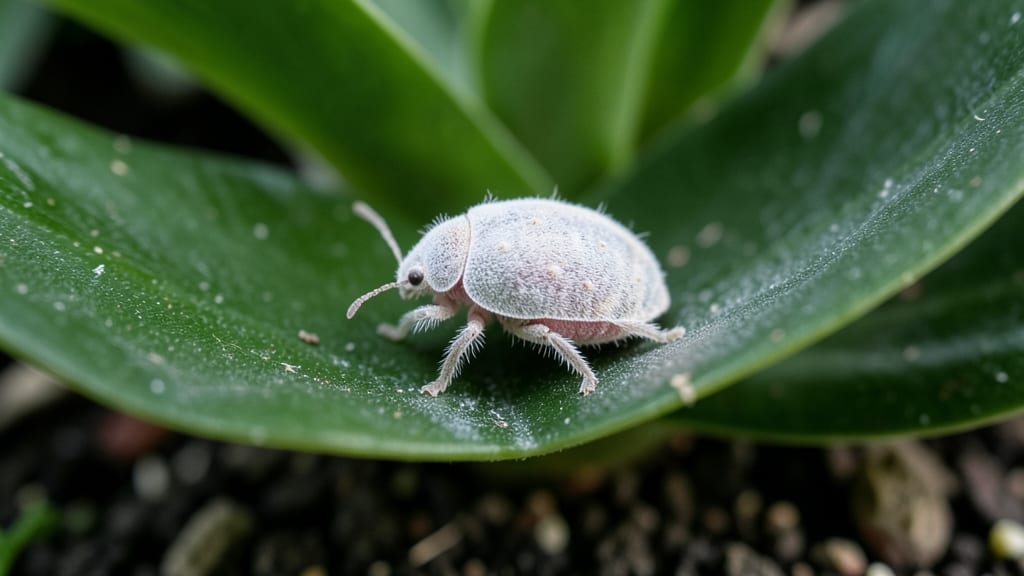
How to get rid of mealybugs on clivia—those sticky, white pests that turn glossy leaves into a nightmare—finally has a solution. 🌱 I’ve battled them for years, and the boil-and-pour method finally gave me the upper hand—no more stubborn root infestations. This isn’t just another spray-and-pray solution; it’s a permanent barrier that stops them before they start.
The problem starts underground—mealybugs hide in soil, sucking sap while your clivia’s roots weaken. Most treatments miss this. But boiling water (yes, really) creates a steam shield that kills eggs and adults on contact.
You’ll need a kettle, a pot, and a little patience—no harsh chemicals that could harm your plant’s delicate roots.
Within 24 hours, you’ll see fresh growth pushing through cleaner soil. The leaves stay vibrant, the roots stay strong, and those pesky cottony bugs? Gone for good. This works even for stubborn infestations because it targets the whole ecosystem—not just the visible pests.
Best part? It’s a one-time fix that lasts through repotting. No weekly sprays, no guesswork. Just pour, wait, and watch your clivia thrive—without a single mealybug in sight. Let’s get those roots protected.
Root Causes of Mealybug Infestations
Mealybugs may seem like a sudden nuisance, but they’re rarely random—they thrive because your Clivia plant is sending out signals (or failing to send them) that scream, "All you can eat, buffet open!" 🍽️🐜 Understanding these triggers is the first step to stopping the invasion at its source.
Let’s break down the why behind these sticky, cottony pests.
Mealybugs are opportunistic pests—they don’t attack healthy plants. When your Clivia is stressed, its natural defenses (like sticky honeydew traps or antifungal compounds) weaken, making it an easy target. Here’s what compromises its resilience:
- Overwatering or poor drainage:
Mealybugs adore soggy roots because excess moisture attracts fungal pathogens (like Phytophthora), which further stress the plant. Roots deprived of oxygen also release volatile organic compounds (VOCs) that attract mealybugs—think of it as a distress flare for pests. 🚨
- Actionable clue: If your Clivia’s soil smells musty or the pot feels heavy with water, mealybugs are likely to follow.
- Nutrient deficiencies:
A lack of key nutrients (like phosphorus or potassium) weakens cell walls, making them easier for mealybugs to pierce with their stylets (mouthparts). These pests also feed on phloem sap, which is richer in sugars when the plant is starving. 🍬
- Actionable clue: Yellowing leaves (especially older ones) or purple stems are red flags for nutrient stress.
- Physical damage: Broken leaves or stems create entry points for mealybugs, and the exposed sap acts like a neon sign. Even pruning wounds can invite them if not properly sealed with cinnamon powder or diluted hydrogen peroxide. ⚔️
Mealybugs are tropical hitchhikers—they love warm, humid environments with plenty of hiding spots. Your Clivia might be creating the perfect pest paradise without you realizing it:
| Factor | Mealybug’s Sweet Spot | Your Clivia’s Likely Scenario |
|---|---|---|
| Temperature | 70–85°F (21–29°C) | Placed near a sunny window or heating vent (e.g., south-facing rooms in summer). |
| Humidity | 60%+ (they need moisture to reproduce) | Grouped with other houseplants in a humid bathroom or kitchen, or misted daily. |
| Lighting | Low to medium light (they avoid direct sun) | Shaded by taller plants or placed in a dim corner (their favorite ambush spot!). |
| Airflow | Stagnant air (no breeze disrupts their colonies) | Crowded with other plants or tucked into a closed terrarium. |
Pro tip: 💡 Mealybugs often strike after you bring home a new plant or repot your Clivia. They hitch rides on soil, pots, or even the tools you use—so quarantine new additions for 2 weeks!
Plants communicate with pests (and predators) through volatile organic compounds (VOCs). When your Clivia is under stress, it releases specific chemicals that actively recruit mealybugs. Here’s the science:
- Ethylene gas: Produced during root rot or physical damage, ethylene signals "I’m struggling!" and attracts mealybugs within hours. It’s like a plant’s version of a 911 call. 🚑
- Sugary exudates: Mealybugs are drawn to high-sugar compounds like melezitose, which oozes from stressed phloem tissue. Think of it as a sticky trap—once they taste it, they don’t leave. 🍭
- Secondary metabolites: Fungal infections (e.g., powdery mildew) produce compounds like ergosterol, which mealybugs detect as a "safe zone" to colonize. 🍄
Actionable clue: If you spot white, cottony clusters only on new growth or near leaf scars, your plant is likely releasing these chemical distress signals.
Now that you know why mealybugs crash your Clivia party, the next step is to flip the script—turn those "welcome mats" into "keep out" signs. Stay tuned for targeted solutions that disrupt their lifecycle at every stage.
Treat and Prevent Mealybugs Now
Mealybugs on your Clivia can feel like a sneaky, sticky nightmare—but don’t worry! With the right approach, you can banish them for good and keep your plant thriving.
Below, we’ve mapped out practical, step-by-step solutions based on the root causes (yes, even the hidden ones) and paired them with prevention tips to stop future infestations. Let’s get your Clivia back to its glorious, pest-free self!
Mealybugs love plants that are already struggling—think of them as opportunistic squatters. If your Clivia is root-bound, underwatered, or nutrient-deficient, it’s basically rolling out the welcome mat.
🌱 Step 1: Repot for Better Airflow & Space
- 🔪 Dig it out: Gently remove your Clivia from its pot and inspect the roots.
If they’re circling tightly or packed like sardines, it’s time for a repotting upgrade. - 🏺 Choose the right pot: Go 1-2 inches larger in diameter (but not too big—over-potting causes soggy soil, another mealybug magnet). - 🪴 Fresh mix matters: Use a well-draining cactus/succulent mix (or amend regular potting soil with perlite/pumice for aeration). - 💡 Pro Tip: Add a thin layer of coarse sand or gravel at the bottom to improve drainage and deter future pests.
💦 Step 2: Water Like a Pro (No More soggy soil!)
- ⏰ Watering schedule: Let the top 1-2 inches of soil dry out before watering again.
Mealybugs thrive in damp, stagnant conditions—consistent moisture is their favorite buffet. - 🚰 Drainage check: Ensure your pot has drainage holes (no exceptions!). If not, drill them or repot immediately. - 🌡️ Humidity control: While Clivia loves humidity, avoid misting the leaves (mealybugs love damp foliage).
Instead, use a pebble tray with water near the plant (but not touching the pot).
💪 Step 3: Boost Plant Health with Fertilizer
Weak plants attract pests—feed your Clivia to scare off mealybugs!
- 📊 Use a balanced, low-nitrogen fertilizer (like 5-5-5 or 10-10-10) diluted to half-strength.
- ⏰ Fertilize in spring/summer (growth season) every 4-6 weeks.
Skip it in fall/winter—they’re dormant! - 🥗 Extra boost: Add a foliar spray with seaweed extract (like Maxsea) for stress resistance and natural pest deterrence.
If you’ve spotted visible mealybugs, don’t wait—attack them now before they multiply!
👨🍳 Step 1: Isolate & Inspect
- 🚫 Quarantine your Clivia: Move it away from other plants to prevent cross-contamination.
- 🔍 Inspect thoroughly: Check every leaf, stem, and crevice—mealybugs hide in leaf axils (where leaves meet stems) and under old flower stalks.
🧼 Step 2: Wipe Them Out (Literally)
- 🧴 Use a cotton swab dipped in:
- Neem oil solution (1 tsp neem oil + 1 tsp mild soap + 1 quart water) – Smothers and repels.
🪴 Step 3: Clean the Battlefield
- 🧹 Wipe down leaves with a damp microfiber cloth to remove honeydew (sticky residue) and egg sacs.
- 🔥 Dispose of debris: Throw away cotton swabs, wipes, and fallen leaves in a sealed bag (don’t compost!).
If mealybugs are deeply embedded or spreading fast, it’s time to bring out the big guns—but safely!
🌿 Option 1: Neem Oil Spray (Best for Prevention & Light Infestations)
- 🍯 Recipe: Mix 1 tbsp neem oil + 1 tsp mild castile soap + 1 quart water.
- 💦 Spray thoroughly (top and bottom of leaves) every 7 days for 3 weeks.
- ⏰ Best time: Early morning or late evening (avoid direct sun—it can burn leaves).
- 💡 Pro Tip: Shake well before each use—neem oil separates!
🧴 Option 2: Insecticidal Soap (Fast-Kill for Heavy Infestations)
- 🛒 Buy pre-made (like Safer® Brand Insect Killing Soap) or DIY:
- 1 tbsp mild liquid soap (like Dr. Bronner’s) + 1 quart water.
- 💦 Spray until leaves glisten, then reapply in 5-7 days.
- ⚠️ Warning: Test on one leaf first—some Clivia varieties are sensitive!
🐝 Option 3: Horticultural Oil (For Stubborn Cases)
- 🛒 Use dormant oil (like JMS Stylet Oil)—it suffocates eggs and adults.
- ⏰ Apply at dusk (avoids leaf burn).
- 💡 Pro Tip: Combine with neem oil for a 1-2-3 punch!
⚠️ Last Resort: Systemic Insecticide (Use Sparingly!)
If nothing else works, a light dose of imidacloprid (like Bonide Systemax) can be watered into the soil.
- ⚠️ Warning: Only use as a last resort—it’s toxic to beneficial insects and can harm the plant if overused.
- 💧 Apply once, then monitor closely.
Now that your Clivia is mealybug-free, let’s lock in that victory with long-term defense strategies.
🌡️ Maintain Ideal Conditions
- 🌡️ Temperature: Keep between 65-75°F (18-24°C)—mealybugs hate heat above 85°F (29°C).
- 🌿 Light: Bright, indirect light (no deep shade)—weak plants attract pests.
- 💨 Airflow: Avoid stuffy rooms—mealybugs love still, humid air. Use a small fan near the plant (on low) to keep air circulating.
🐞 Early Detection: Your Best Weapon
- 🔍 Inspect weekly—check new growth, leaf undersides, and soil surface.
- 🕵️ Look for:
- Sticky residue (honeydew).
- Yellowing leaves (sign of stress/pest damage).
🛒 Buy Pest-Free Plants & Soil
- 🚫 Avoid new plants with white fluff—even if it’s "just powdery mildew," quarantine and inspect for 2 weeks.
- 🪴 Use sterilized potting mix (or bake soil in the oven at 200°F for 30 mins to kill eggs).
🧴 Regular Maintenance Sprays
- 🍯
Frequently asked questions
Can I use boiling water to kill mealybugs on my clivia's roots?
The boil-and-pour method is highly effective for root-bound mealybugs! Bring 2 cups of water to a rolling boil, then carefully pour it directly into the soil around the roots. This creates a steam barrier that kills both adults and eggs on contact. Do this once weekly for 3 weeks to ensure complete eradication. Always let the soil cool completely between treatments to avoid root damage.
Will neem oil harm my clivia plant if used too often?
Neem oil is generally safe for clivia when used correctly, but overuse can cause leaf burn. Stick to every 7-10 days for no more than 3 weeks during treatment. Always dilute it properly (1 tbsp neem oil + 1 tsp mild soap + 1 quart water) and apply in the early morning or evening to avoid direct sunlight exposure.
How do I know if mealybugs are still hiding in my clivia's soil?
Look for these signs: sticky residue on pot rims, white cottony clusters near the soil surface, or ant trails (mealybugs farm ants!). For confirmation, gently sift through the top 1-2 inches of soil—you might find tiny white eggs or nymphs. If you're unsure, repot your clivia into fresh, sterilized soil to eliminate any remaining pests.
Can I save my clivia if mealybugs have already damaged the roots?
Yes, but act fast! Prune away mushy or blackened roots with sterilized scissors, then treat the remaining healthy roots with the boil-and-pour method. Repot in fresh, well-draining soil and monitor closely. With proper care, your clivia can recover—just be patient as it regrows its root system (4-6 weeks typically).
What's the best way to prevent mealybugs from coming back?
Create an unfriendly environment for them! Keep your clivia in bright, indirect light with good airflow (use a small fan on low), and water only when the top 1-2 inches of soil are dry. Every 2 months, spray leaves with a neem oil solution as a preventive measure. Also, quarantine new plants for 2 weeks before introducing them to your clivia collection.