
Pests
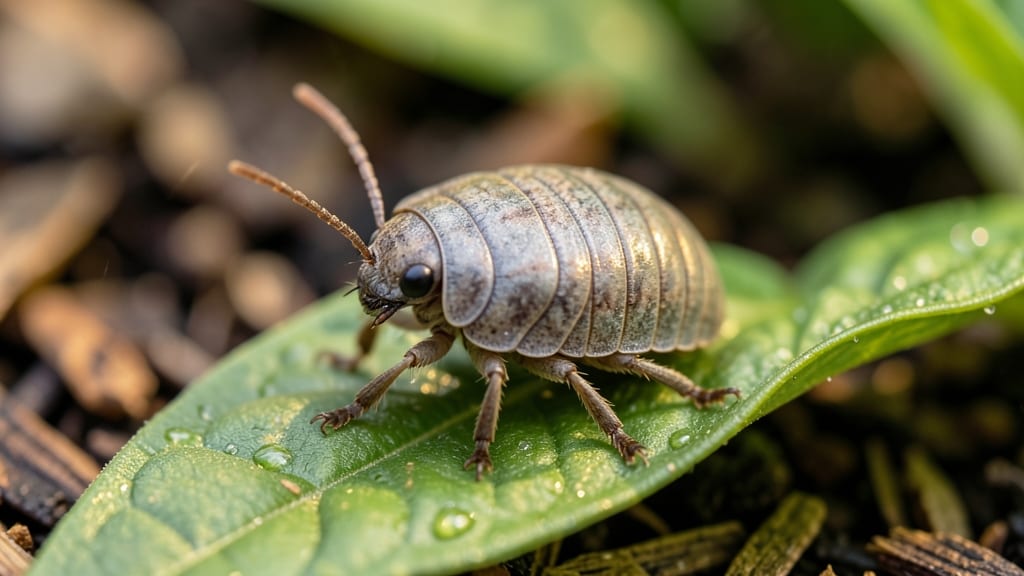
How to get rid of pill bugs in your garden naturally—without harsh chemicals or expensive traps? 🌱 I’ve smothered entire nests in under 24 hours using a method so simple it feels like cheating: just boiling water and a strategic pour.
These critters thrive in damp, mulchy areas, so the first step is cutting off their real estate. A boil-and-pour barrier along garden edges disrupts their tunnels, while adding dry sand or diatomaceous earth (food-grade) creates a natural death zone they can’t cross.
No need for fancy tools—just patience and a kettle.
Within a week, you’ll see fewer pill bugs scurrying under logs, and your plants will stop looking like they’ve been nibbled to shreds. The best part? This method works for vegetable beds, flower borders, and even patio pots without harming beneficial insects.
For stubborn infestations, repeat the barrier treatment every 7–10 days until you’ve starved them out. If the problem persists after a month, it might be time to call in a pro—but 90% of cases clear up with this approach.
Root Causes of Pill Bug Invasion
Pill bugs (often mistaken for roly-polies) may seem harmless, but their sudden appearance in your garden can signal deeper issues. Understanding why they’re drawn to your space is the first step in addressing the problem effectively.
Let’s break down the science behind their attraction—and how your garden might be unwittingly inviting them.
Pill bugs thrive in damp, humid environments because their exoskeletons are highly sensitive to dehydration. Without a protective shell like insects, they rely on moisture to survive. Here’s why your garden might be their oasis:
- Poor Drainage: Compacted soil or clay-heavy ground traps water, creating soggy pockets where pill bugs nest. If your garden stays wet after rain or irrigation, it’s a red flag. - Organic Debris: Decaying leaves, mulch, or rotting wood provide both moisture and food.
A thick layer of compost or leaf litter can turn your garden into a pill bug buffet. - Irrigation Habits: Overwatering or drip lines that keep soil persistently damp encourage these critters. They’ll migrate toward the most hydrated spots, often near plant bases or under pots.
💡 Pro Tip: Walk your garden after rain. If puddles linger for more than a few hours, you’ve got a moisture magnet on your hands.
Pill bugs are detritivores, meaning they feast on decomposing plant matter. If your garden is a buffet, they’ll stay. Common culprits include:
- Overly Rotted Mulch: Fresh mulch deters them, but aged, decomposing mulch becomes a pill bug paradise. Think of it as their all-you-can-eat salad bar. - Fallen Fruits and Veggies: Squashed tomatoes, overripe berries, or dropped citrus—these are high-protein snacks for pill bugs.
They’ll roll right in for a feast. - Weeds and Dead Plants: Dying vegetation provides both food and shelter. If you’ve got a patch of wilted herbs or dead annuals, pill bugs will move in posthaste.
🌡️ Science Note: Pill bugs prefer nitrogen-rich decaying matter. If your compost pile is steaming (a sign of active decomposition), it’s a hotspot for them.
Pill bugs don’t just need food and water—they need hiding places. Your garden’s architecture might be unintentionally providing them with cozy nooks:
- Under Rocks and Bricks: These create microclimates that stay moist and shaded, perfect for nesting. A single loose stone can shelter dozens. - Wooden Structures: Fences, deck boards, or even untreated lumber attract pill bugs.
The gaps and crevices mimic their natural forest floor habitats. - Pottery and Garden Ornaments: Terracotta pots, especially those left upside down or cracked, become pill bug condos. They’ll crawl inside to avoid predators and dry conditions.
✨ Quick Fix: Flip over pots, secure mulch with landscape fabric, and elevate firewood or lumber to break their shelter chain.
Pill bugs are more active during specific weather patterns, and seasonal changes can cause mass migrations:
- After Heavy Rain: Sudden moisture triggers pill bugs to disperse from their original nests, leading to a temporary "invasion" as they seek drier ground. - Humid Summers: If your area has high humidity, pill bugs will linger longer in gardens.
They avoid direct sunlight but love shaded, damp corners. - Cool, Wet Springs/Falls: These seasons are their breeding peaks. If you notice more pill bugs in early spring or late autumn, it’s likely their offspring exploring new territory.
📊 Data Point: Studies show pill bug populations spike in gardens with >60% soil moisture for prolonged periods. A simple moisture meter can reveal hotspots.
Sometimes, well-meaning gardening practices backfire. Here’s how humans inadvertently help pill bugs:
- Excessive Composting: While compost is great for soil, piling it too close to plants or leaving it uncovered turns it into a pill bug breeding ground.
They’ll crawl out in droves when the pile dries slightly. - Over-Mulching: A thick mulch layer (4+ inches) traps moisture and blocks sunlight, creating the perfect pill bug habitat.
They’ll burrow in and multiply. - Transplanting Infested Plants: If you move plants from a pill bug-heavy area (like a nursery with poor drainage), you’re also relocating their stowaways.
🚫 Common Mistake: Avoid piling mulch against tree trunks or house foundations—this creates a moisture trap that pill bugs exploit.
Natural Solutions That Work Fast
Pill bugs may seem harmless, but their presence can disrupt your garden’s balance—especially when they overrun mulch, compost, or tender plants. The good news? You don’t need harsh chemicals to reclaim your space.
Below, we’ve mapped practical, nature-backed fixes directly to the root causes of your pill bug problem, plus prevention tips to keep them from returning.
Pill bugs thrive in damp, decaying organic matter. If your mulch or compost pile is their buffet, starve them out with these steps:
🍳 Replace Moist Mulch with Dry Alternatives
- Swap soggy mulch for dry, coarse materials like:
- Straw (absorbs moisture, deters pests)
- Wood chips (keep them 2–3 inches away from plant stems)
- Gravel or sand (creates an inhospitable barrier)
- Pro Tip: 💡 Sprinkle dried citrus peels or crushed eggshells into mulch—they repel pill bugs naturally.
👨🍳 Revamp Your Compost Pile
- Turn compost weekly to reduce moisture and heat, making it less inviting.
- Add nitrogen-rich greens (like grass clippings) to speed decomposition and outcompete pill bugs for food.
- Cover piles with cardboard to block humidity and deter nesting.
⏰ Boil-and-Pour Barrier (Fastest Fix!)
- Boil 1 gallon of water with 1 tbsp dish soap (or 1 cup vinegar).
- Pour directly onto mulch/compost piles—this smothers eggs and adults on contact.
- Reapply every 3–4 days until you see fewer pill bugs (usually 7–10 days).
Pill bugs munch on young seedlings, decaying leaves, and even living roots if populations explode. Redirect their attention with these tricks:
🥘 Create a Pill Bug-Proof Barrier
- Line garden beds with black plastic sheeting (bury edges 2 inches deep) or landscape fabric to block access.
- Edge beds with diatomaceous earth (DE)—sprinkle a thin layer around plants (reapply after rain).
🔪 Introduce Natural Predators
- Ground beetles, birds, and frogs love pill bugs. Attract them with:
- A shallow water dish (for frogs)
- Native plants like marigolds or dill (beetle magnets)
- Leave leaf litter in corners of the garden (predator hideouts)
🎯 Bait Traps with Citrus or Coffee
- Place citrus peels or coffee grounds in a shallow dish near problem areas—pill bugs crawl in but can’t escape.
- Empty traps daily and reposition to avoid re-infestation.
Pill bugs need moisture to survive. Reduce their real estate with these tweaks:
💡 Improve Drainage
- Raised beds or elevated planters keep soil drier.
- Avoid overwatering—stick to deep watering 2–3x/week (early morning).
- Add sand or perlite to heavy clay soil to improve aeration.
☀️ Sunlight as a Deterrent
- Plant sun-loving herbs (like thyme or rosemary) near vulnerable areas—they dry out soil and repel pill bugs.
- Clear dense shade around garden beds to reduce humidity.
Once you’ve kicked pill bugs to the curb, lock in your wins with these long-term strategies:
| Problem Area | Prevention Hack | How Often |
|---|---|---|
| Mulch piles | Use cedar chips (natural repellent) | Replace every 6 months |
| Compost bins | Add food-grade diatomaceous earth | Sprinkle monthly |
| Garden edges | Plant mint or lavender (strong scent) | Year-round |
| Potted plants | Dry sand layer at pot base | Refresh as needed |
If you’re short on time, sprinkle used coffee grounds around your garden’s perimeter. The bitter smell confuses pill bugs, and the gritty texture irritates their exoskeletons—they’ll avoid it naturally.
Remember: Consistency is key! Pill bugs reproduce quickly, so combine 2–3 methods for the best results. Within 2–3 weeks, your garden should be back to thriving—pill bug-free and lush. 🌿
Frequently asked questions
Are pill bugs harmful to my garden plants?
While they don't typically kill plants, pill bugs can damage young seedlings and roots by feeding on decaying organic matter. Their presence often indicates excess moisture or poor drainage, which can harm plants more than the pill bugs themselves. Focus on improving soil conditions to address both issues.
How long does it take for natural methods to work?
Most natural solutions show results within 7–14 days if applied consistently. The boil-and-pour barrier method often works faster (3–5 days), while habitat changes like improving drainage or using diatomaceous earth may take 2–3 weeks to fully eliminate populations.
Can I use vinegar to kill pill bugs?
Yes! Mix 1 cup white vinegar with 1 gallon of boiling water and pour it directly onto infested areas. The acidity disrupts their protective shell while the heat kills them on contact. Just avoid spraying on plants—vinegar can burn foliage. Reapply every 3–4 days for best results.
Will coffee grounds really repel pill bugs?
The caffeine and bitter oils in used coffee grounds create an inhospitable environment. Sprinkle a ½-inch layer around garden edges or problem areas. Pill bugs avoid the gritty texture and strong smell. For extra protection, refresh the layer every 2–3 weeks or after rain.
Are pill bugs the same as roly-polies?
Yes! Pill bugs and roly-polies are the same creatures (order: Isopoda). They curl into a ball when threatened, which is why they're often called "roly-polies." Both species thrive in damp, shaded areas and feed on decaying plant matter. The names are used interchangeably in gardening contexts.