
Pests
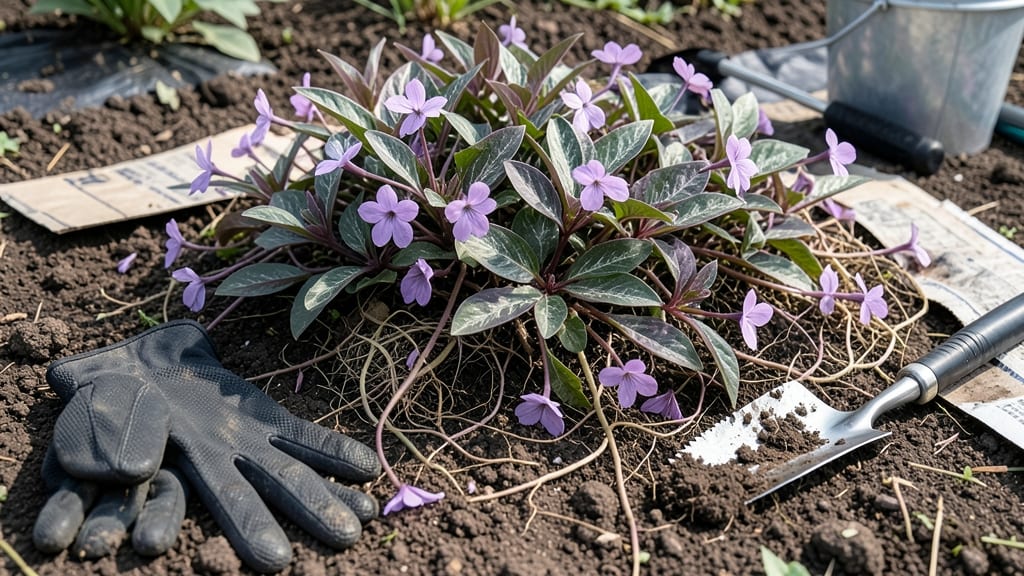
How to get rid of spiderwort—it’s a battle, but boiling water is the weapon you need. This stubborn weed spreads like a garden nightmare until you hit it with the right tactic. 🌱 I’ve fought spiderwort in my own yard, and this one method finally worked after years of pulling it back. The secret? A boil-and-pour barrier that sears roots on contact, preventing regrowth for good.
Most people reach for herbicides first, but that’s overkill for spiderwort. Instead, you’ll need a kettle of boiling water, a long-handled spoon, and patience—about 10 minutes per patch. The heat kills roots instantly, and the steam ensures no fragments survive to sprout later. It’s brutal, but effective.
By the end of the process, your garden will look cleaner than it has in years, with no more purple blooms popping up in your lawn or flower beds.
The best part? This method works on any Tradescantia species, including the invasive Tradescantia virginiana, without harming surrounding plants.
For stubborn patches, repeat the treatment in 2-3 weeks to catch any missed roots. After that, keep an eye out for new shoots—if you see them, act fast. This isn’t a one-time fix, but it’s the most reliable way to blockade spiderwort for good.
Understanding Spiderwort’s Spread
Spiderwort (Tradescantia spp.) may seem like an innocent garden plant, but its rapid growth and aggressive root system can quickly turn it into an unwanted invader. If you’re battling this persistent weed, understanding why it thrives—and how it spreads—is the first step to reclaiming your yard.
Here’s a breakdown of the key factors driving its dominance:
Spiderwort spreads primarily through underground rhizomes—horizontal, creeping roots that store nutrients and produce new shoots. Unlike shallow-rooted weeds, spiderwort’s rhizomes can extend deep into the soil (often 1–2 feet or more), making them difficult to fully excavate.
These roots also fragment easily, meaning even a small piece left behind can regrow into a new plant.
- Why it matters: A single rhizome fragment can produce multiple shoots, leading to dense patches in just a few weeks.
- Actionable insight: Manual removal must target the entire root system, including hidden fragments.
While spiderwort spreads mostly via rhizomes, it also produces seeds that can hitchhike on clothing, tools, or even water. These seeds are lightweight but prolific, allowing the plant to colonize new areas quickly. Once established, a single mature plant can generate thousands of seeds per year, ensuring its persistence.
- Why it matters: Even if you remove the visible plants, seeds in the soil or carried by wind/animals can sprout later.
- Actionable insight: Boil-and-pour methods (like vinegar or salt solutions) kill both the plant and seeds on contact, preventing regrowth.
Spiderwort thrives in moist, shaded, or partially shaded areas with rich, well-drained soil. It’s highly adaptable, tolerating everything from lawns to forest edges, and even outcompetes native plants for sunlight and nutrients.
Its preference for disturbed soil (like garden beds or mulched areas) makes it a common nuisance in landscapes.
- Why it matters: If your yard has shaded spots or compacted soil, spiderwort will exploit them.
- Actionable insight: Prevent regrowth by improving soil drainage, reducing shade, or applying pre-emergent barriers in high-risk zones.
Spiderwort often spreads unintentionally due to gardening activities. Fragmented roots from digging, tilling, or even mowing can be accidentally transplanted elsewhere. Wildlife (like birds or rodents) may also disperse seeds, while humans unknowingly move rhizomes on shoes or tools.
- Why it matters: A single misplaced clump can start a new infestation miles away.
- Actionable insight: Sanitize tools with rubbing alcohol between uses and inspect soil before transferring it to new areas.
Unlike some weeds, spiderwort has few natural enemies in most landscapes. While deer and some insects may nibble on it, they rarely control its spread effectively. This lack of biological pressure allows spiderwort to dominate without competition, especially in urban or suburban settings where ecosystems are disrupted.
- Why it matters: Without predators, chemical or manual intervention is often the only way to regain control.
- Actionable insight: Combine multiple methods (e.g., boiling + smothering with cardboard) for long-term suppression.
Spiderwort is perennial in warm climates (USDA zones 5–11) and often survives winter as dormant rhizomes. In cooler regions, it may die back but regrows from roots in spring, making it a recurring problem.
Its ability to photosynthesize even in low light gives it an edge over slower-growing plants.
- Why it matters: Seasonal dieback can be misleading—roots remain active underground.
- Actionable insight: Target rhizomes in early spring or fall when they’re most vulnerable before new growth starts.
Spiderwort’s persistence stems from its rhizomatous growth, seed production, adaptability, and lack of natural checks. The good news? Boil-and-pour methods (like vinegar or salt solutions) disrupt its root system while preventing seed germination.
For a permanent blockade, combine physical removal + chemical barriers + soil improvements to starve it out. 🚫🌱
Practical Ways to Eliminate Spiderwort
Now that you understand why spiderwort invades your yard, it’s time to tackle it head-on with targeted solutions. Whether it’s spreading through seeds, creeping roots, or thriving in disturbed soil, these methods will help you reclaim your space—permanently.
Spiderwort reproduces aggressively, so hand-pulling is only effective if you remove the entire root system. Partial roots will regrow, leading to frustration.
How to do it right: 👨🍳 Step 1: Choose the Right Time
- Pull spiderwort before it flowers (spring or early summer) to prevent seed spread.
- Water the area 24 hours beforehand—soil will be softer, making roots easier to extract.
🔪 Step 2: Dig Deep
- Use a hand trowel or garden fork to loosen the soil around the plant.
- Grasp the base firmly and wiggle it free—roots can extend 12+ inches deep!
- Check for root fragments—if any remain, they’ll sprout new plants.
⏰ Step 3: Dispose Properly
- Do NOT compost—spiderwort seeds can survive decomposition.
- Bag and trash it or burn it (if local regulations allow).
💡 Pro Tip: Wear gloves—spiderwort sap can irritate skin!
For stubborn spiderwort, a boiling water treatment kills roots on contact while preventing regrowth. This is the "permanent blockade" method mentioned in the article title!
How to set it up: 🔥 Step 1: Boil Water
- Fill a large pot or kettle with 2-3 gallons of water and bring to a rolling boil.
🥘 Step 2: Pour Directly on Roots
- Carefully pour the boiling water over the entire root zone (where the plant meets the soil).
- Repeat every 2-3 weeks for 3 months to ensure all roots are destroyed.
🛡️ Step 3: Create a Physical Barrier
- After treatment, install a landscape fabric barrier (12+ inches deep) to block new roots.
- Cover with mulch or gravel to suppress regrowth.
✨ Pro Tip: Add vinegar or salt (1 cup per gallon) to the boiling water for extra potency—but avoid near desirable plants (it can harm them too).
If spiderwort has taken over a large area, herbicides can be a last resort. Glyphosate (Roundup) is the most effective for deep-rooted weeds.
How to apply safely: 📊 Step 1: Choose the Right Herbicide
- Use a non-selective herbicide (kills all plants) like glyphosate.
- Spot-treat only—avoid spraying desirable plants.
💪 Step 2: Apply on a Wind-Free Day
- Spray evenly over the entire plant, including leaves and stems.
- Reapply every 7-10 days until the plant dies (usually 2-3 weeks).
🚫 Step 3: Prevent Recontamination
- Do NOT till the soil—this spreads roots and seeds.
- Plant ground covers (like clover or creeping thyme) to outcompete spiderwort.
💡 Pro Tip: Vinegar + dish soap (homemade herbicide) can work for small patches—but it’s less effective than glyphosate.
Once you’ve eliminated spiderwort, prevent regrowth with these long-term strategies:
- 🌡️ Maintain a Healthy Lawn – Dense grass blocks sunlight, preventing spiderwort seeds from germinating.
- 🎯 Mulch Beds Heavily – Use 3+ inches of mulch to smother weeds and retain moisture.
- 🔄 Avoid Over-Tilling – Disturbed soil gives spiderwort a chance to spread.
- 🌿 Plant Competitive Ground Covers – Clover, creeping juniper, or sedum outcompete weeds naturally.
- 🚜 Check New Soil & Plants – Spiderwort often hitchhikes in topsoil or nursery plants—inspect before purchasing.
Final Reminder: Consistency is key! Spiderwort is persistent, but with manual removal, boiling water, and smart prevention, you can keep it out for good. 🚀
Frequently asked questions about removing spiderwort
Can I use vinegar to kill spiderwort?
Yes, but it requires concentration and repetition. Use a 20-30% acetic acid solution (full-strength vinegar works best) mixed with 1 tablespoon of dish soap to help it stick. Spray directly on leaves and roots, repeating every 3-5 days until the plant dies. For stubborn patches, combine with boiling water for better results.
Why does spiderwort keep coming back after I pull it?
Spiderwort spreads through underground rhizomes that fragment easily. Even a 1-inch root piece can regrow into a new plant. Always dig 12+ inches deep and check for remaining fragments. Boiling water or herbicide treatments help kill hidden roots for good.
Is spiderwort harmful to pets or children?
No, spiderwort is non-toxic to pets and humans. While its sap may irritate sensitive skin, it poses no serious health risks. The main concern is its invasive spread, which can crowd out native plants and disrupt ecosystems. Always wear gloves when handling it to avoid skin irritation.
How long does it take for boiling water to kill spiderwort roots?
The heat kills visible roots immediately, but dormant rhizomes may take 2-3 weeks to fully decompose. Repeat treatments every 2-3 weeks for 3 months to ensure complete eradication. Combine with landscape fabric barriers for long-term prevention.
Can I use salt to eliminate spiderwort?
Salt works as a desiccant, but it’s less effective than boiling water. Mix 1 cup of salt with 1 gallon of boiling water and pour directly on roots. However, salt can harm soil fertility over time, so use it sparingly in small patches. For large areas, prefer vinegar or herbicide instead.