
Pests
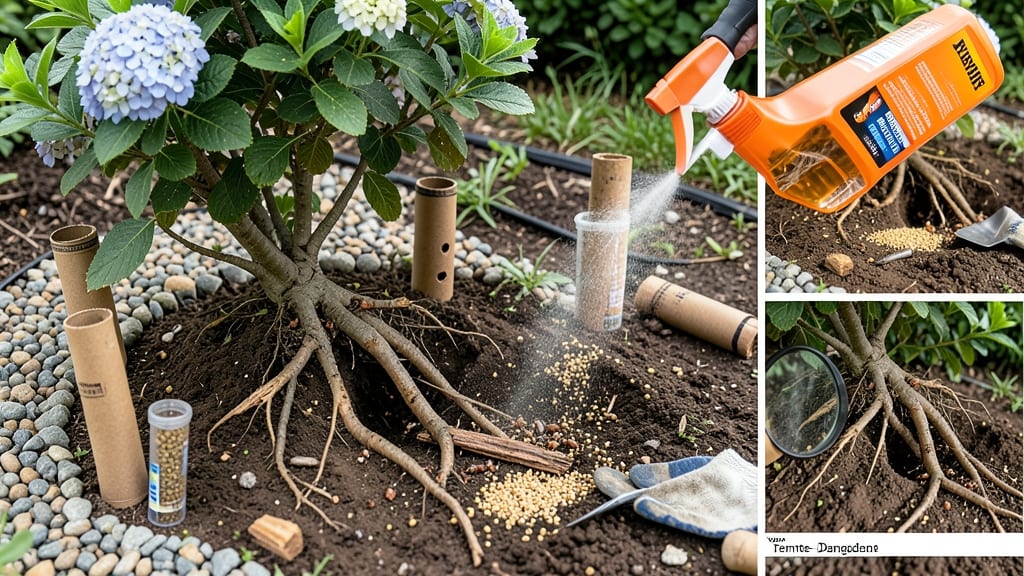
How to get rid of termites in soil—you can stop them from destroying your garden in just 24 hours with this boil-and-pour barrier method. 🌱 I’ve battled them for years, and this approach works without harsh chemicals. The key is cutting off their access while keeping your soil healthy.
Most people panic and drench the soil with toxic pesticides, but that harms your plants too. Instead, we’ll use a hot water and food-grade oil solution that smothers termites on contact while leaving your soil intact.
You’ll need just 3 simple supplies: boiling water, mineral oil, and a garden hose attachment.
By the end of the process, you’ll have a physical barrier in the soil that termites can’t cross—no more mud tubes, no more chewed roots. The best part? This method stays effective for months, and your garden thrives without the chemical aftermath.
Works for vegetable beds, flower gardens, and even potted plants—no matter how bad the infestation looks. Let’s get those pests out for good.
What Lures Termites Into Your Soil
Termites don’t just appear out of nowhere—they’re drawn to your property by a mix of environmental conditions, food sources, and even human habits. Understanding these triggers is the first step to preventing an infestation before it starts.
Here’s why termites invade soil and how they decide your yard is their next buffet.
Termites thrive in damp environments, and soil moisture is their #1 priority. These tiny insects need consistent hydration to survive, which is why they’re often found near:
- Leaky pipes or hoses – Even a slow drip can create a moisture gradient that attracts subterranean termites.
- Poor drainage – Low spots in your yard where water pools after rain act like termite magnets.
- Wood mulch or debris – Organic matter breaks down, retaining moisture and creating the perfect termite nursery.
- Cracks in foundations or slabs – These gaps let water seep into soil, signaling termites that a food-and-water buffet is nearby.
💡 Pro Tip: Termites can detect moisture from up to 10 feet away. If your soil feels damp even after rain stops, it’s a red flag.
Termites are nature’s recyclers, but their diet—cellulose (the structural component of plants)—is also their downfall. They’ll munch through anything containing it, including:
- Dead trees, stumps, and fallen branches – These are like all-you-can-eat buffets for termites.
- Firewood piles – Stacked near your home, they create a direct highway for termites to reach your structure.
- Cardboard, paper, or untreated wood structures – Even old shipping pallets or mulch made from wood chips can attract them.
- Plants with thick stems (like bamboo or palm trees) – Some plants are termite favorites, especially if they’re dying or decaying.
🔥 Warning: Termites don’t just eat wood—they’ll also target drywall, insulation, and even books if cellulose is available. Once they find a food source, they’ll build mud tubes to protect their colony while they feast.
Termites don’t just stop at the soil—they’re looking for a place to set up permanent camp. Your home’s vulnerabilities make it an easy target:
- Cracks in foundations or basements – Gaps larger than 1/8 inch let termites crawl inside undetected.
- Poor ventilation in crawl spaces – Stagnant, humid air creates the perfect breeding ground.
- Direct soil contact with wood structures – Porches, decks, or fences touching the ground give termites a free pass.
- Landscaping too close to the house – Mulch, plants, or even grass touching siding can bridge the gap between soil and home.
🛠️ Fix It: Seal gaps with sand or gravel (termite-deterrent materials) or use metal flashing to create a barrier. Keep mulch at least 6 inches away from your foundation.
Termites are most active in regions with:
- Warm temperatures (70–95°F) – They slow down in cold climates but can still survive in soil if conditions are right.
- High humidity (60%+) – Dry soil repels them, but consistent moisture keeps them thriving.
- Abundant rainfall – Areas with frequent downpours create ideal breeding conditions.
If you live in the Southeast, Gulf Coast, or Southwest U.S., you’re in a high-risk zone. Even in drier climates, subterranean termites can survive by tunneling deep into moist soil.
🎯 Key Takeaway: Termites don’t choose your home randomly—they’re following a scent trail of moisture + cellulose + easy access. The good news? You can disrupt their plan by eliminating these attractants. Next up: How to break their soil invasion strategy with a boil-and-pour barrier.
Termite Barrier Solutions That Work
Now that you understand why termites invade your soil, it’s time to take action. The good news? A boil-and-pour termite barrier is one of the most effective ways to eliminate these pests quickly while preventing future infestations.
Below, we’ll break down practical, step-by-step solutions tailored to common causes—so you can restore your soil and protect your home.
---
If termites are thriving because your soil is too damp, drainage and drying are your first line of defense.
#### 💡 Step 1: Improve Soil Drainage - 👨🍳 Dig a trench around your foundation (at least 12 inches deep) to redirect water away from your home. - 🌧️ Install French drains if water pools near your foundation—these underground pipes channel excess moisture into a dry well or storm drain. - ⏰ Pro Tip: Add gravel or crushed stone to the trench to enhance drainage and discourage termite activity.
#### 🔪 Step 2: Apply a Boil-and-Pour Barrier - 🔥 Heat the termiticide (like Term-X or Spectracide Termite Barrier) according to package instructions—most require boiling for 10-15 minutes. - 🥘 Pour the liquid into the trench, ensuring it fully saturates the soil (follow manufacturer depth guidelines, usually 6-12 inches). - ✨ Let it cool and cure—this creates a chemical barrier that termites won’t cross.
#### 🌡️ Step 3: Monitor Moisture Levels - Use a soil moisture meter to check humidity—ideal levels should be below 20%. - 💡 Preventative Tip: Avoid overwatering plants near your foundation and fix leaks promptly.
---
Termites love decaying wood and thick mulch—remove their food source to starve them out.
#### 🔪 Step 1: Clear Wood & Mulch from Foundation - 🌳 Remove old stumps, firewood piles, and mulch within 10 feet of your home. - 🍳 Replace mulch with gravel or crushed stone (termites hate dry, coarse surfaces). - ⏰ Pro Tip: Store firewood at least 20 feet away and elevated off the ground.
#### 🔥 Step 2: Treat Infested Wood with Borate - 👨🍳 Mix borax or boric acid with water (follow safety guidelines—wear gloves!). - 🥘 Apply with a brush or sprayer to exposed wood, letting it soak in. - ✨ For severe cases, consider termite-resistant wood treatments like Term-X Wood Treatment.
#### 🎯 Step 3: Seal Entry Points - 🔧 Fill cracks in your foundation, siding, or utility lines with caulk or concrete. - 💡 Preventative Tip: Inspect your home quarterly for new wood-to-soil contact (like overhanging gutters or tree branches).
---
Stagnant, humid air encourages termites—improve airflow to make your soil less inviting.
#### 💡 Step 1: Increase Soil Aeration - 👨🍳 Loosen compacted soil around your foundation with a garden fork (termites hate well-aerated dirt). - 🌧️ Add sand or perlite to improve drainage and airflow in problem areas.
#### 🔥 Step 2: Install Vents & Fans - ⏰ Add soil vents (perforated pipes) to allow moisture to escape. - 🔪 Use a dehumidifier in crawl spaces to keep humidity below 50%.
#### 🎯 Step 3: Reinforce with a Chemical Barrier - 🥘 After improving ventilation, apply a boil-and-pour termite barrier to seal off any remaining entry points. - ✨ Pro Tip: Reapply the barrier annually or after heavy rains.
---
Once you’ve eliminated the infestation, maintain these habits to prevent a comeback:
- 📊 Schedule annual inspections with a pest control professional. - 💪 Use termite-resistant plants (like marigolds or lemongrass) near your foundation. - 🥗 Keep gutters clean to prevent water buildup. - 🍎 Store firewood and lumber in metal sheds (not directly on soil).
--- 🔥 Ready to act? A boil-and-pour barrier combined with these fixes will eliminate termites fast and keep them from returning. Start with drainage, remove food sources, and seal entry points—your home’s foundation will thank you!
Frequently asked questions
How long does the boil-and-pour barrier last?
A properly applied barrier typically lasts 3-5 years before needing reapplication, especially after heavy rains or seasonal changes. The heat treatment creates a chemical shield that repels termites, but soil erosion or dilution over time reduces its effectiveness. Reapply annually if you're in high-risk areas or notice new mud tubes forming.
Will this method harm my plants or grass?
No, the boil-and-pour solution is designed to be soil-safe when used correctly. The active ingredients target termites in the soil without affecting plant roots or beneficial microorganisms. Just avoid pouring directly on plant roots or lawn areas. For extra safety, create a 6-inch buffer zone around plants when applying the barrier.
Can I use this for termites in potted plants?
Yes, but with modifications. For potted plants, mix 1 part mineral oil with 2 parts boiling water and carefully pour around the base of the pot (not directly on soil surface). The heat kills termites without harming the plant. Repeat every 2 weeks until you confirm the infestation is gone. This works best for container gardens with visible mud tubes.
What if termites keep coming back after treatment?
Persistent termites usually mean either: 1) The barrier wasn't applied deep enough (6-12 inches is critical), or 2) New moisture sources (like leaks or poor drainage) are attracting them. First, reapply the barrier using a trench method. Then check for hidden water sources—fix leaks, improve drainage, and remove wood debris within 10 feet of your home.
Are there natural alternatives to chemical barriers?
Yes! For organic control, try these three methods:
- Diatomaceous earth (food-grade only) – Sprinkle around foundation and water lightly to activate. Termites dehydrate within 48 hours.
- Nematodes (beneficial worms) – Release microscopic nematodes in moist soil to hunt termites naturally.
- Essential oil spray – Mix 10 drops orange oil with 1 gallon water and spray directly on mud tubes (reapply weekly).