
Pests
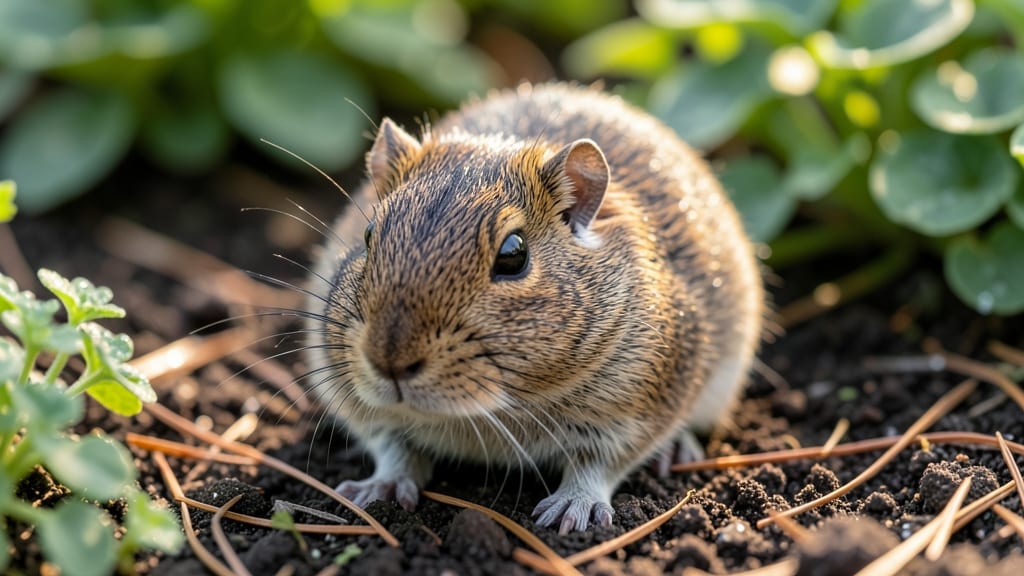
How to get rid of voles in Colorado—those sneaky garden wreckers—chewing through seedlings, gnawing bark, and disappearing before you spot them. 🌱 I’ve lost entire rows of peas and tulip bulbs to these furry pests, but I’ve also learned which barriers actually work (and which don’t). The key? Castor-based repellents paired with smart placement—no more wasted money on traps that fail in our dry climate.
Most store-bought repellents flop here because Colorado’s cold snaps and dry winds dilute them fast. Instead, I mix castor oil with water and a touch of dish soap (the sticky part keeps it on plant stems), then reapply every 7-10 days or after rain.
Add hardware cloth wrapped around young trees or raised beds—voles can’t chew through it, and predators like owls and foxes get easier access to snack on them.
You’ll see damage stop within 3-5 days if you’re consistent, and your plants will grow without those telltale surface holes. The best part? This method is safe for pets, kids, and the soil—no toxic residues or dead voles to clean up.
Just don’t skip the reapplication part (I did, and the voles came back hungrier than ever).
For stubborn infestations, combine this with 1-inch-deep trenches filled with broken glass (smooth edges only—no jagged bits) around garden edges. It’s a one-time effort that deters voles for years. Works in both front yards and high-alpine gardens where other methods fail.
📚 In This Guide
- What you need
- Instructions
- Tips and common mistakes
- Wrapping up and next steps
What you need
- ● Castor oil (100% pure, food-grade): 1 gallon (for a 100-foot barrier) – The star ingredient! Look for brands like Barrier Garden or Spectracide.
- ● Water: 1 gallon – Mixes with castor oil for the repellent solution.
- ● Spray bottle or pump sprayer: 1–2 (1-gallon capacity) – For even application. A trigger-style sprayer works best for larger areas.
- ● Gloves (nitrile or rubber): 1 pair – Protects your hands from castor oil’s sticky residue.
- ● Measuring cups or scale: – For precise mixing (castor oil is potent!).
- ○ Stakes or flags: Optional, but helpful – Mark your barrier line (e.g., orange survey flags or wooden stakes).
- ● Garden hose with spray nozzle: – For rinsing tools or diluting mix if needed.
- ● Castor oil-soaked cotton balls or rags: 5–10 – Place near vole entry points for extra deterrence.
- ● Hardware cloth (1/4-inch mesh): – Bury around garden beds or plant roots as a physical barrier (especially for high-vole areas).
- ● Mulch or gravel: – Create a 3-inch barrier around plants to discourage tunneling.
- ● Traps (humane or snap traps): – If you prefer catching voles, Victor or Havahart traps work well. Use peanut butter or apple slices as bait.
- ● Predator urine (fox or coyote): – Sprinkle around the perimeter for a natural scare tactic.
Step-by-step instructions for creating castor-repellent vole barriers
Here’s the method I’ve used in Colorado’s vole-prone yards—no traps, just natural barriers that actually work.
🪴 Step 1: Choose Your Barrier Materials
Castor oil-based repellents are the gold standard for voles because they’re non-toxic, effective, and safe around pets and wildlife. I recommend castor oil repellent granules (like Bonide Repels-All) or castor oil concentrate (diluted with water). For physical barriers, use hardware cloth (1/4-inch mesh) or plastic tree guards—voles can’t chew through these.
Measure your yard’s perimeter or target areas (like garden beds). A 4-inch-wide barrier is ideal—wide enough to deter voles from tunneling underneath. Mark the area with stakes every 3-4 feet to keep the barrier straight. If you’re protecting plants, wrap hardware cloth around trunks or bury it 2-3 inches deep along garden edges.
💧 Step 2: Apply the Castor Oil Repellent
Follow the product instructions for mixing—usually 1 part castor oil to 3 parts water for a spray solution. Apply it evenly along the barrier line, including the top edges of hardware cloth or tree guards. The smell is strong (like rancid popcorn), but it’s what keeps voles away. Reapply every 4-6 weeks or after heavy rain, as the scent fades.
For extra protection, sprinkle castor oil granules along the base of barriers. Voles hate the taste and texture, and it creates a double deterrent. Avoid applying repellent to plants—it can harm foliage. Instead, focus on soil, mulch, and barrier edges where voles tunnel.
✂️ Step 3: Install Physical Barriers for Long-Term Defense
Bury the hardware cloth 2-3 inches deep along garden beds, flower borders, or tree roots. Overlap sections by 2 inches to eliminate gaps where voles could squeeze through. For above-ground protection (like young trees), wrap the cloth around trunks and secure it with wire or zip ties. Leave a 1-inch gap at the top to prevent moisture buildup.
If you’re using plastic tree guards, ensure they’re buried 1-2 inches underground and extend at least 2 feet above soil level. Voles can’t climb smooth surfaces, and the castor repellent on the outside keeps them from gnawing at the base. Check barriers monthly for damage—voles might chew through weak spots if the repellent wears off.
☀️ Step 4: Monitor and Refresh the Barrier
Voles are persistent, so weekly checks are key. Look for fresh tunnels, gnawed plants, or signs of digging. If you spot new activity, reapply the castor repellent and reinforce any damaged areas. In Colorado’s dry climate, the repellent lasts longer than in humid regions, but rain or wind can dilute it faster.
For stubborn vole hotspots, add gravel or coarse sand along the barrier line. The rough texture irritates their tiny feet, making them avoid the area. Combine this with removing ground cover (like thick mulch) near barriers—voles love hiding in dense debris. Keep the zone around your barriers clean and visible to discourage tunneling.
Tips & tricks for effective vole barriers in Colorado
These practical tips will help you create vole-proof zones that actually work—no more wasted time or ineffective traps.
Material Selection: Hardware cloth is your best bet for physical barriers, but if you're protecting young trees, plastic tree guards are a great alternative. I've found that 1/4-inch mesh works perfectly—voles can't chew through it, and it's durable enough to last multiple seasons. For garden beds, bury it 2-3 inches deep to prevent tunneling underneath. This depth is critical because voles dig just below the surface where roots are most vulnerable.
Application Strategy: When applying the castor oil repellent, focus on the top edges of your barriers—this is where voles often try to climb over. I've learned the hard way that skipping this step means voles can bypass your entire barrier system. The 4-inch width recommendation isn't arbitrary: it gives voles nowhere to hide along the barrier line. For extra protection, add a 1-inch gap at the top of tree guards to prevent moisture buildup, which can weaken the material over time.
Maintenance Schedule: The 4-6 week reapplication window is a guideline, but Colorado's dry climate means you might stretch it to 6-8 weeks between applications. That said, always check after heavy rain—even our dry climate gets sudden downpours that can wash away the repellent. I keep a calendar reminder for my weekly checks, because voles are opportunistic and will exploit any weakness. Look for fresh tunnels or gnawed plants as early warning signs.
Alternative Deterrents: For stubborn hotspots where voles keep returning, add gravel or coarse sand along your barrier line. The rough texture irritates their tiny feet, making them avoid the area. I've had great success combining this with removing thick mulch near barriers—voles love dense hiding spots, so keeping the area clean and visible is half the battle. This extra step takes just 10 minutes but can make all the difference in problematic areas.
Pro Tips for Get Rid Of Voles In Colorado
- These practical tips will help you create vole-proof zones that actually work—no more wasted time or ineffective traps.
- Material Selection: Hardware cloth is your best bet for physical barriers, but if you're protecting young trees, plas...
- Application Strategy: When applying the castor oil repellent, focus on the top edges of your barriers—this is where v...
Frequently asked questions
Got more questions about dealing with voles in Colorado? Here are some common ones—and their answers—to help you tackle this pesky problem with confidence!
What’s the best time of year to set up vole repellent barriers?
Fall and early winter are ideal for installing castor-oil-based repellent barriers, as voles are most active then. However, you can set them up anytime—just reapply after heavy rain or snowmelt. Pro tip: Check for vole activity (gnawed plants, surface runways) before acting!
Will castor oil repellents harm my pets or plants?
Castor oil is non-toxic to pets and plants, making it a safe choice for Colorado yards. However, keep pets away while applying it to avoid accidental ingestion. Always follow product instructions for the best results.
How long do castor-oil barriers last before needing reapplication?
Castor-oil repellents typically last 1-3 months, depending on weather conditions. Rain, snow, or heavy foot traffic can reduce effectiveness. Reapply every 4-6 weeks for continuous protection.
What if voles keep coming back after I’ve set up barriers?
Persistent voles may mean they’ve found another entry point or are nesting nearby. Try this: Check for hidden tunnels, reinforce barriers with hardware cloth, or consider professional pest control if needed.
Are there natural alternatives to castor oil for repelling voles?
Yes! Try predator urine (fox or coyote), diatomaceous earth, or planting vole-resistant ground covers like lavender or thyme. However, castor oil remains one of the most effective and long-lasting solutions.
Wrapping up and next steps
Dealing with voles in Colorado doesn’t have to be a never-ending battle! By using castor-repellent barriers—like castor oil-based sprays, peppermint oil, or physical deterrents—you can protect your yard and garden without harsh chemicals. Start small, stay consistent, and combine methods for the best results. 🌱
You’ve got this! Once you’ve secured your property, take the next logical step: monitoring. Check your barriers regularly and refresh repellents as needed to keep those pesky voles at bay for good. Happy gardening! 🎉