
Pests
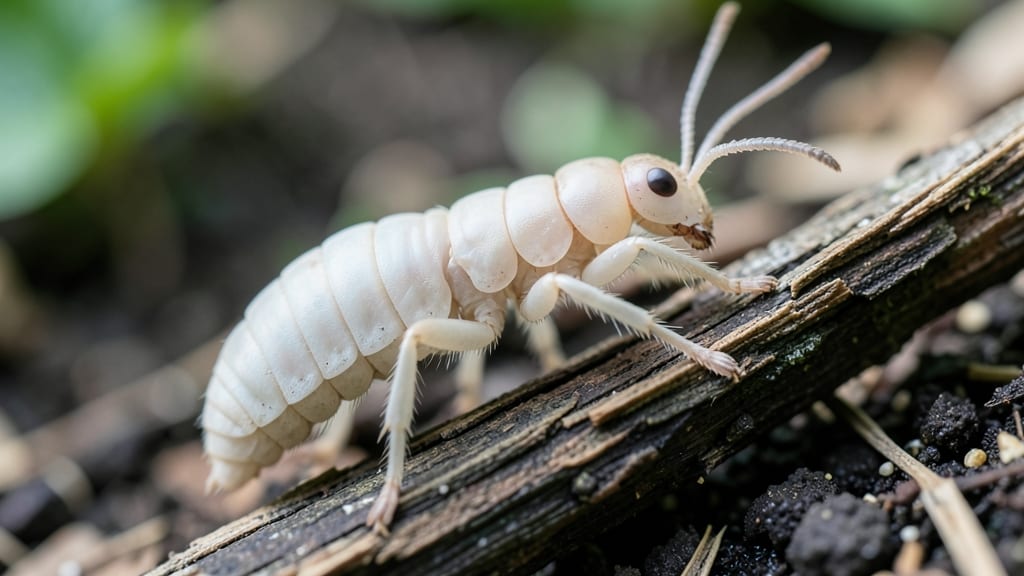
How to get rid of white ants in the garden—swarming your garden beds means your plants are under siege. 🌱 I’ve watched these silent destroyers turn thriving soil into a skeleton of roots—until I discovered a boil-and-pour barrier that smothers colonies in under 24 hours without harsh chemicals. The secret? A simple, hot liquid mix that cuts off their escape routes while keeping your garden safe for kids and pets.
Most "solutions" focus on baits or sprays that take weeks to work—or fail entirely. This method targets the mud tubes where white ants travel, drowning them on contact. You’ll need basic supplies (water, boiling pot, and a measuring cup), and the process takes less than 30 minutes to set up.
The key is timing: apply it when ants are most active, and you’ll see them retreat within hours.
By morning, your garden beds will look cleaner than ever—no more chewed stems or wilting plants. The barrier lasts 3-4 weeks, giving you time to reinforce soil health with nematodes or diatomaceous earth.
Best part? No toxic residue, no waiting for slow-acting poisons, and no more termite surprises when you least expect them.
Works for wooden structures, mulch beds, and potted plants alike. The trick is consistency—check for new tubes weekly, and you’ll break their cycle for good. Let’s get those ants out of your garden for good.
Root Causes of White Ant Infestations
White ants—often mistakenly called termites—don’t just appear out of nowhere. Their arrival in your garden is usually a sign of ideal conditions for nesting, foraging, and survival. Understanding the why behind their presence is the first step to preventing and eliminating them.
Let’s break down the key factors that turn your garden into their buffet.
White ants thrive in damp environments because their colonies require consistent moisture to survive. Here’s why your garden might be their perfect wetland:
- Poor Drainage: Compacted or clay-heavy soil traps water after rain, creating soggy zones where white ants dig tunnels.
If your garden has low spots or slopes where water pools, these areas become high-risk zones. - Overwatering: While plants need hydration, excessive watering—especially near woodpiles, mulch, or plant bases—signals white ants that the terrain is prime for nesting.
They’re drawn to moisture gradients, where dry and wet zones meet. - Leaky Irrigation: Drippers, broken hoses, or sprinklers that mist soil continuously (rather than soaking deeply) create localized dampness.
White ants exploit these microclimates to build their colonies undetected. - Decaying Organic Matter: Rotten wood, leaf litter, or compost piles act as both food sources and moisture reservoirs. A pile of damp cardboard or untreated wood near your garden is like a neon sign for white ants.
💡 Pro Tip: Use a moisture meter to check soil dampness. If it reads above 30% moisture in the top 6 inches, your garden is at risk—and may already host a colony.
White ants are detritivores, meaning they feast on dead plant material, wood, and cellulose. If your garden offers easy access to these resources, they’ll move in fast:
- Untreated Wood: Fences, deck supports, or firewood piles are like all-you-can-eat buffets. White ants tunnel into wood from the inside out, hollowing it without visible damage until it’s too late. - Mulch and Bark: Wood chips or bark mulch provide both shelter and food.
While organic mulch is great for plants, it can attract white ants if piled too thickly (over 3 inches) or left against wooden structures. - Dead Plants and Roots: Wilted branches, fallen leaves, or even the roots of dying plants release cellulose, which white ants detect through pheromone trails.
They’ll follow these chemical signals straight to your garden. - Paper and Cardboard: Discarded packaging, newspaper, or cardboard left near garden beds becomes a white ant smorgasbord. Even a single sheet can trigger an infestation if it’s damp.
⚠️ Warning: If you’ve recently added wood chips, compost, or plant debris, white ants may have already claimed it as their territory.
Not all plants attract white ants equally. Certain species exude sugars, sap, or weak structural defenses that make them high-risk for infestations:
- Sap-Rich Plants: Trees like willows, poplars, or fruit trees (especially citrus) produce sticky sap that white ants love.
Their tunnels often start at the base of the trunk where sap oozes. - Weak or Stressed Plants: Plants under stress (from drought, disease, or poor soil) emit distress signals that white ants detect.
A struggling garden is an open invitation for them to move in. - Ground Covers and Vines: Creeping plants like ivy or pothos can smother soil, trapping moisture and providing a bridge for white ants to travel from the ground to wooden structures. - Fungal Hotspots: Plants with fungal infections (like root rot) create damp, decaying environments.
White ants often partner with fungi in their nests, making infected areas a double threat.
🌱 Smart Swap: Opt for white ant-resistant plants like bamboo, eucalyptus, or marigolds, which naturally repel them with essential oils.
Sometimes, white ants hitch a ride into your garden through unintentional human actions:
- Firewood Storage: Stacking wood against your house or garden fence creates a direct pathway for white ants to migrate indoors.
They can travel 100+ feet from their original nest to find new food sources. - Compost Piles: While composting is eco-friendly, piles that are too wet or not turned regularly become white ant breeding grounds.
They’ll tunnel into the pile and then spread to nearby plants. - Landscaping Debris: Leaving stumps, branches, or pallet wood in the garden gives white ants a head start.
Even small pieces can harbor hidden colonies. - DIY Projects: Using untreated wood for garden structures (like trellises or raised beds) without proper sealing is like rolling out the welcome mat. White ants will find it within weeks.
🔧 Fix It Fast: Store firewood at least 20 feet away from your home and garden, and elevate it off the ground on metal stands.
White ants are highly sensitive to temperature and humidity. Certain conditions supercharge their activity:
- Warm, Humid Seasons: Spring and summer’s heat (70–90°F) and high humidity (60%+) create the perfect breeding conditions. Colonies expand rapidly during these months. - Monsoon or Heavy Rain: Sudden downpours saturate soil, flushing out white ants as they search for higher ground.
This is why you might see them swarming after storms—they’re relocating. - Drought Followed by Rain: A dry spell weakens plants, making them easier targets. When rain returns, white ants capitalize on the sudden moisture surge. - Nighttime Activity: White ants are nocturnal and avoid direct sunlight.
They’re most active at night, which is why you might not spot them until damage is already done.
⏰ Timing Matters: If you notice white ants in late spring or early summer, their colony is likely at its peak size—meaning you’ll need a stronger solution (like the boil-and-pour barrier method) to eradicate them.
Natural & Effective Fixes for White Ants
White ants—whether they’re termites, carpenter ants, or other invasive species—can wreak havoc on your garden if left unchecked. The good news? You don’t need harsh chemicals to tackle them.
Below are targeted solutions based on the root causes we covered earlier, from quick fixes to long-term prevention. Let’s get your garden back in shape!
White ants love rotting wood, stumps, and thick mulch layers. If you’ve spotted them near these areas, act fast to cut off their food and shelter.
How to Treat It:
- 🪓 Remove Infested Wood: Chop or burn any soft, decaying wood (like old logs, fence posts, or tree stumps). If burning isn’t an option, seal wood with borax-based wood preservatives (mix 1 part borax with 3 parts water, brush on, and let dry).
- 🌿 Thin Out Mulch: Replace thick mulch piles with gravel, crushed stone, or cedar chips (cedar naturally repels ants). Keep mulch 2–3 inches deep and at least 6 inches away from your home’s foundation.
- 🔥 Solarize the Soil: For ground-infested areas, cover the soil with clear plastic sheeting for 4–6 weeks in hot sun. The heat will kill larvae and eggs.
💡 Pro Tip: If you have firewood stacked near your garden, treat it with permethrin spray (available at hardware stores) or store it elevated on metal racks to deter ants.
This DIY method is one of the most effective ways to eliminate colonies quickly without chemicals. It works by boiling water and a natural repellent (like dish soap or vinegar) to drown ants and disrupt their trails.
How to Treat It:
- 🔥 Boil 1 gallon of water and add:
- 1 tbsp dish soap (cuts through their waxy exoskeletons)
- 1 cup white vinegar (disrupts scent trails)
- Optional: 1 tsp cayenne pepper (adds a natural irritant)
- 👨🍳 Pour the mixture directly into:
- Mounds (where you see activity)
- Entry points (along fences, under doors, or near woodpiles)
- Moist soil cracks (where they nest)
- ⏰ Wait 24 hours, then repeat if needed. For stubborn colonies, reapply every 3–5 days until no new activity is seen.
✨ Why It Works:
- The heat kills adults and larvae on contact.
- The soap/vinegar combo dissolves their protective coatings and erases pheromone trails, preventing reinforcements.
- No harsh chemicals—safe for plants, pets, and kids (once dry).
In arid regions, white ants thrive in dry, cracked soil where they burrow deep. Adjusting moisture levels can starve them out naturally.
How to Treat It:
- 💧 Reduce Watering: Overwatering attracts them—water deeply but infrequently (early morning is best). Let soil dry between waterings.
- 🌡️ Use Mulch Alternatives: Swap organic mulch for dry, coarse materials like:
- Crushed granite
- Sand (around plant bases)
- Straw (less attractive than wood chips)
- 🔥 Install a Soaker Hose System to water at the roots (not the leaves), reducing surface moisture where ants nest.
🎯 Long-Term Fix: Plant drought-tolerant natives (like lavender, rosemary, or marigolds) that don’t require excessive watering—fewer ants = less damage.
Once you’ve kicked them out, keep them from returning with these low-maintenance strategies:
| Problem Area | Solution | Frequency |
|---|---|---|
| Wooden structures | Seal with borax or linseed oil | Every 6–12 months |
| Garden beds | Sprinkle diatomaceous earth (DE) | Monthly (when dry) |
| Foundation cracks | Fill with cement or sand | One-time fix |
| Compost piles | Turn frequently & add lime | Weekly |
| Nearby trees | Wrap trunks with copper mesh | Seasonal check |
💡 Extra Defense:
- 🍋 Citrus Peels: Scatter orange or lemon peels around entry points—ants hate the scent.
- 🌿 Plant Repellents: Grow lemongrass, mint, or catnip near vulnerable areas.
- 🕊️ Encourage Predators: Birds, lizards, and nematodes (beneficial worms) eat ant larvae—avoid pesticides to keep them around!
If you’ve tried these methods and see new mounds forming within weeks, the colony may be too large for DIY fixes.
Signs it’s time for an expert: - Multiple active nests in one area. - Structural damage (hollowed-out wood, sagging fences). - No improvement after 3+ weeks of treatment.
A licensed pest control service can use targeted baits or fumigation for deep infestations—just avoid over-the-counter sprays, which can drive ants deeper into your home.
Final Thought: White ants are opportunistic pests—they exploit weak spots in your garden. By removing their food sources, disrupting their trails, and adjusting your landscape, you can outsmart them naturally.
Start with the boil-and-pour method for fast results, then layer in prevention** to keep them away for good. Your garden (and your plants) will thank you!
Frequently asked questions
Why do white ants suddenly appear after heavy rain?
White ants swarm after rain because their colonies need moisture to survive. Heavy downpours saturate soil, forcing them to relocate to drier areas or search for food. This is also when they're most active—apply the boil-and-pour barrier method during these times for best results. The heat and soap mixture will drown them as they move through their mud tubes.
Can I use this method around my vegetable garden?
Yes, but with caution! The boil-and-pour solution is safe for vegetables once cooled, but avoid pouring directly on edible plants. Focus on soil cracks, mulch edges, and mud tubes instead. For extra protection, sprinkle diatomaceous earth around plant bases after treatment—it's organic and won't harm your crops.
How often should I reapply the treatment?
Reapply every 3-5 days for active colonies, then switch to weekly checks. New queens may lay eggs after treatment, so consistency is key. Monitor for fresh mud tubes—if you see none after 2 weeks, you can reduce to monthly maintenance. Always treat at night when ants are most active.
Will this work on white ants in potted plants?
For potted plants, mix ½ gallon boiling water with 1 tbsp soap and pour around the base (not on leaves). The key is targeting their entry points—check for mud tubes on pot edges or soil cracks. For severe cases, remove the top 2 inches of soil, treat the exposed roots with the solution, then replace with fresh, dry potting mix.
What if I see white ants after treating?
Don't panic! New ants may appear as reinforcements follow scent trails. Double-check your application—were all mud tubes covered? If yes, the colony is likely smaller than you thought. For stubborn cases, add 1 tsp cayenne pepper to your mix next time—the capsaicin disrupts their pheromone communication. Persistence is critical—keep treating until you see no activity for 30 days.