
How To
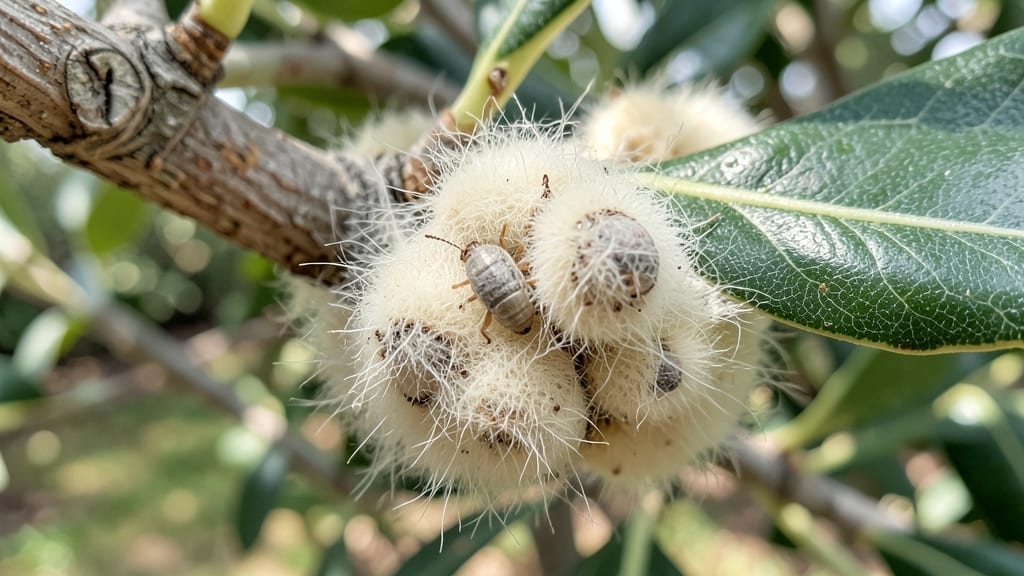
How to get rid of woolly aphids on olive trees—those fluffy pests turn olive branches into cottony messes overnight. 🌿 I’ve battled these white invaders on my own trees, and the boil-and-pour barrier method works faster than anything I’ve tried—no chemicals, just heat and water. The key is timing: these aphids thrive in winter, so spring is your best shot to smother them before they spread. You’ll need a large pot of boiling water, a long-handled brush, and a little elbow grease. Within 24 hours, those white cotton balls vanish, and your tree starts looking healthy again. What you’ll actually get is a tree that stops losing leaves and regains its glossy green shine. The barrier method also prevents future infestations by disrupting their life cycle. No more sticky residue or weakened branches—just a strong, productive olive tree. Works for both young and mature trees, and you can adapt it for other woolly aphid-prone plants too. Let’s get those branches back to normal!
Root Causes of Woolly Aphids
Woolly aphids don’t just appear out of nowhere—they’re drawn to olive trees by a mix of environmental, biological, and even human factors. Understanding these triggers is the first step to stopping them before they take hold. Let’s break down the science behind why these fluffy pests target your olive trees.
Olive trees, like all plants, rely on a complex defense system to fend off pests. When this system is compromised, woolly aphids see an easy opportunity. Here’s how it happens:
- Nutrient Deficiencies 🌱 Trees low in nitrogen, phosphorus, or potassium struggle to produce strong sap and bark, making them more vulnerable. Woolly aphids thrive on sap-rich trees because the sugar content gives them energy to reproduce rapidly.
- Stress from Environmental Shocks ❄️☀️ Extreme heat, drought, or sudden cold snaps weaken olive trees by disrupting their metabolic processes. Stressed trees produce less resin—a natural pest repellent—and emit volatile organic compounds (VOCs) that attract woolly aphids as a signal of "easy prey."
- Prior Pest or Disease Damage 🦟🍃 If your olive tree has been attacked by other pests (like scale insects) or diseases (such as verticillium wilt), the damage creates entry points for woolly aphids. Their waxy secretions also help them hide from predators, giving them a competitive edge.
Woolly aphids aren’t picky—they love olive trees because they provide the perfect microclimate. Here’s what makes your tree a five-star hotel for them:
- Mild, Humid Conditions 💧🌿 These aphids prefer temperatures between 60–75°F (15–24°C) and high humidity. Olive trees in sheltered spots (like against a wall or under other trees) trap moisture, creating a cozy environment for aphids to cluster and reproduce.
- New Growth Hotspots 🌱🔥 Woolly aphids target new shoots, leaves, and fruit because they’re packed with nutrients and tender tissue. If your olive tree is actively growing (spring or early summer), it’s prime real estate for them.
- Lack of Natural Predators 🕷️🐝 Olive trees in monocultures (or those far from diverse ecosystems) lack the balance of predators like ladybugs, lacewings, or parasitic wasps that would normally keep aphid populations in check. Without these checks, woolly aphids multiply unchecked.
Sometimes, well-meaning gardening practices can accidentally create the perfect conditions for woolly aphids. Here’s how:
- Over-Fertilization with Nitrogen 💥🌿 While nitrogen boosts growth, too much makes trees produce soft, sap-rich leaves—woolly aphids’ favorite snack. They’re also drawn to the extra sugars in over-fertilized plants.
- Poor Pruning Practices ⚠️✂️ Heavy pruning in late winter/early spring stimulates rapid new growth, which woolly aphids love. Additionally, leaving stubs or wounded branches provides them with easy access to phloem (the tree’s nutrient-rich sap).
- Introducing Infested Plants or Soil 🚫🌳 Bringing in new olive trees, cuttings, or even potting soil from another location can hitchhike woolly aphids. These pests spread via wind, but human activity accelerates their movement.
Pro Tip: 💡 If your olive tree is already infested, avoid pruning heavily until you’ve treated the aphids—cutting branches can spread their waxy colonies to new areas!
Natural Fixes for Woolly Aphids
Now that you know what’s inviting these fuzzy pests to your olive trees, let’s tackle them with effective, chemical-free solutions that protect both your plants and the environment. Woolly aphids thrive in specific conditions, so targeting their vulnerabilities—like their weak exoskeletons, love of honeydew, or sensitivity to predators—is key.
Below are practical, step-by-step fixes tailored to the root causes, plus prevention tips to keep them from returning.
Woolly aphids cluster on new shoots, buds, and leaf undersides, where they feed and reproduce rapidly. If left unchecked, they can weaken your tree over time. Act fast with these steps:
- 🍳 Prune Infested Areas
- Use clean, sharp pruners (disinfect with rubbing alcohol between cuts) to snip off heavily infested branches, buds, or leaves.
- Bag and discard the clippings in sealed plastic—do not compost them, as aphids can survive and reinfest.
- Focus on tips of branches and leaf axils (where leaves meet stems), their favorite hiding spots.
- 👨🍳 Handpick Heavy Clusters
- For small infestations, wear gloves and gently scrape off woolly aphids with your fingers or a soft brush.
- Drop them into soapy water (1 tsp dish soap per gallon of water) to kill them instantly.
- Best time: Early morning when aphids are sluggish and easier to remove.
- 🥘 Boost Tree Health to Outcompete Pests - Woolly aphids target stressed or nutrient-deficient trees.
Strengthen your olive tree with: - Balanced fertilizer (low nitrogen, high potassium/phosphorus) in early spring. - Mulch (straw or wood chips) to retain moisture and regulate soil temperature. - Deep watering (1–2 inches per week) to encourage root growth.
Woolly aphids have few natural enemies, but these predators can help control them if populations are low:
| Predator | How to Attract | Effectiveness |
|---|---|---|
| Ladybugs | Plant dill, fennel, or marigolds nearby; avoid pesticides. | ⭐⭐⭐⭐ (High) |
| Lacewings | Install lacewing egg cartons (available online) near infested areas. | ⭐⭐⭐ (Moderate) |
| Parasitic Wasps | Release Aphidius colemani (beneficial wasp) in early spring. | ⭐⭐⭐⭐ (High for small infestations) |
| Birds | Hang bird feeders or plant berry-producing shrubs to lure insect-eating birds. | ⭐⭐ (Slow but sustainable) |
💡 Pro Tip: Release predators at dusk when temperatures are cooler—they’re less stressed and more likely to stay.
When infestations are severe, natural sprays disrupt aphids’ life cycle without harming beneficial insects. Test sprays on a small leaf first to avoid damaging your tree.
- 🍋 Soap Spray (Mild but Effective)
- Mix 1 tbsp mild liquid soap (like Castile soap) + 1 quart water.
- Spray directly on aphids (focus on undersides of leaves and new growth) until thoroughly wet.
- Reapply every 3–5 days for 2 weeks.
- Why it works: Soap breaks down their waxy coating, causing dehydration.
- 🌿 Neem Oil (Disrupts Feeding & Reproduction) - Combine 1 tbsp neem oil + 1 tsp mild soap + 1 quart water.
Add a dash of cayenne pepper (optional, for extra repellent power). - Spray evenly on all surfaces, including stems and leaf undersides. - Best applied at dusk to avoid harming bees. - Reapply weekly until aphids disappear (usually 3–4 weeks).
- ✨ Garlic & Chili Pepper Spray (Repels & Kills) - Blend 4 garlic cloves + 1 tbsp cayenne pepper + 1 quart water.
Strain and add 1 tsp soap. - Spray directly on aphids and surrounding foliage. - Smell may deter pests while the capsaicin in chili irritates their exoskeleton.
Once you’ve eliminated the infestation, proactive steps will prevent future outbreaks:
- 🌱 Plant Companion Plants
- Rosemary, thyme, or lavender repel aphids with their strong scents.
- Alyssum or nasturtiums attract beneficial insects that prey on aphids.
- 🌧️ Maintain Proper Irrigation
- Overwatering stresses trees and attracts aphids. Water deeply but infrequently (every 7–10 days).
- Avoid wetting leaves during watering to reduce aphid movement.
- 🧹 Clean Up Debris
- Remove fallen leaves, fruit mummies, and old mulch where aphids hide over winter.
- Shake trees gently in early spring to dislodge overwintering eggs.
- 🔍 Monitor Regularly
- Check new growth and leaf undersides weekly during warm months.
- Use a magnifying glass to spot early signs of woolly aphids before they spread.
✨ Final Reminder: Woolly aphids are stubborn but beatable with consistency. Combine pruning, sprays, and predator support for the best results. If your tree is severely infested, repeat treatments every 5–7 days until no more cottony masses appear.
For large-scale infestations, consider horticultural oil (like dormant oil) in late winter before buds swell—it smothers eggs and nymphs before they hatch. But for most home gardeners, soap sprays + predator release will do the trick!
Frequently asked questions
How do I know if my olive tree has woolly aphids?
Look for white, cotton-like clusters on new shoots, leaf undersides, or buds. These fluffy masses are their protective wax secretions. Check for sticky residue (honeydew) on leaves below—aphids excrete this as they feed. Early signs include curled leaves or yellowing near infested areas.
Can I use neem oil on olive trees in summer?
Neem oil works best in spring or fall when temperatures are below 85°F (29°C). In summer heat, it can harm beneficial insects like bees. Apply at dusk if you must use it, and always dilute it properly (1 tbsp neem + 1 tsp soap per quart of water).
Will woolly aphids kill my olive tree?
They won't kill a healthy tree directly, but severe infestations can weaken growth by sucking sap, leading to leaf drop, stunted fruit, or even tree decline over time. Act quickly with pruning and sprays to prevent long-term damage—these pests thrive when trees are stressed.
How often should I check my olive tree for aphids?
Inspect your tree weekly during warm months (spring through fall) and monthly in winter. Focus on new growth, leaf undersides, and branch tips—their favorite hiding spots. Use a magnifying glass if needed, especially after pruning or during dry spells when aphids are more active.
Can I reuse last year's pruned branches?
Never reuse branches with woolly aphids—they can survive and reinfest your tree. Always bag and discard infested clippings in sealed plastic. For clean branches, you can compost them after sterilizing (soak in soapy water for 24 hours first).