
Blooming
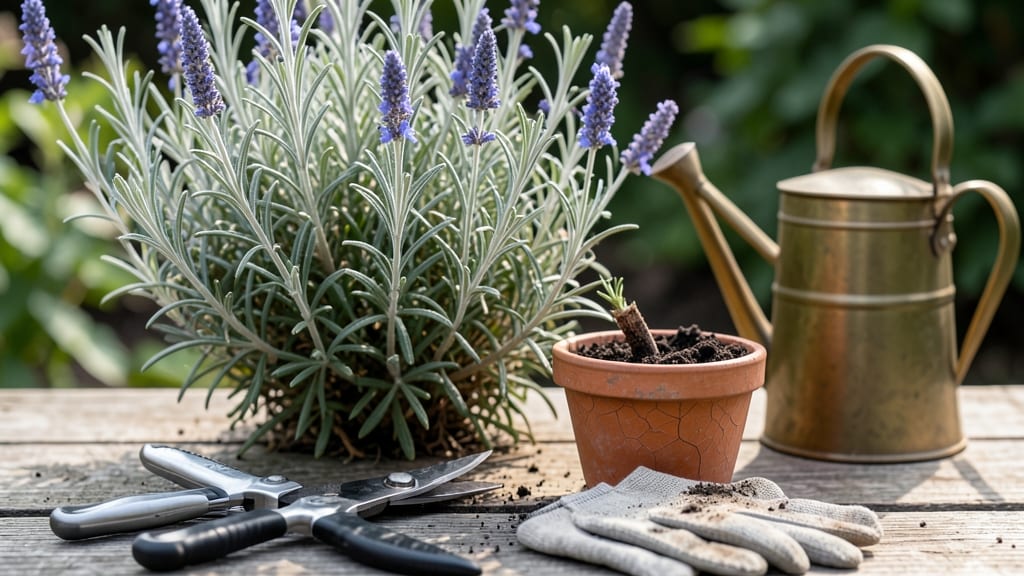
Here’s how to get your Salvia to bloom again—its vibrant blooms may have vanished, but it’s not too late. 🌿 The most common reason? Pruning at the wrong time or cutting too aggressively.
Salvia blooms on old wood—meaning last year’s growth—so heavy pruning after flowering sends signals to rest instead of rebloom.
Start by checking sunlight: 6+ hours of direct sun is non-negotiable for most varieties like Salvia nemorosa or Salvia splendens. If your plant’s leaves look pale or stretched, it’s begging for more light. Next, deadhead spent blooms religiously—this redirects energy to new flowers instead of seed production.
For perennials, a light trim after blooming (just above the lowest set of healthy leaves) encourages bushier growth. Annuals? Snip back by half to keep them compact and flowering. Add a balanced, low-nitrogen fertilizer in early summer to fuel blooms without leafy overgrowth.
Patience is key—some Salvia varieties need 4-6 weeks to bounce back after pruning. If your plant still refuses to bloom, check for root-bound pots or overwatering (Salvia hates soggy feet). With these tweaks, you’ll have showstopping color all season long.
📚 In This Guide
- What you need
- Instructions
- Tips and common mistakes
- Wrapping up and next steps
What you need
- ● Pruning shears or sharp scissors: Clean, sterilized tools (alcohol wipe recommended) to avoid disease. Size: Small-handled for precision.
- ○ Gloves (optional but handy): Protects hands from thorns or sap. Type: Lightweight gardening gloves.
- ● Well-draining potting mix: Quantity: Enough to refresh the top 2–3 inches of soil. Blend: 60% organic matter (peat/compost) + 40% perlite/sand.
- ● Balanced fertilizer (10-10-10 or 20-20-20): Dose: ½ tsp per gallon of water. Frequency: Every 4–6 weeks during growing season.
- ● Watering can with a rose attachment: Why? Gentle watering prevents root shock.
- ○ Mulch (optional): Type: Organic (straw, shredded bark) to retain moisture and regulate soil temp.
- ● Sunlight: 6+ hours of direct sun daily (adjust for partial shade if leaves yellow).
- ● Temperature: Ideal range: 60–75°F (15–24°C). Avoid drafts or extreme heat.
- ● Dormancy check: Ensure your Salvia isn’t in its natural resting phase (typically late fall/winter).
- ● Patience: Blooms may take 4–8 weeks to rebound after trimming!
Instructions for encouraging salvia to rebloom
Here's the proven method I use to coax salvia back into vibrant bloom cycles—no guesswork, just strategic pruning and care.
✂️ Step 1: Time Your First Cut After Initial Bloom
Wait until your salvia has finished its first flush of flowers and the blooms begin to fade naturally. This is your signal to act—cutting too early removes flower buds, while waiting too long lets the plant expend energy on seed production. Use clean, sharp pruners to make a clean cut just above a set of healthy leaves or buds, about 1/3 of the way down the stem.
Never cut into old, woody growth—this stresses the plant. Instead, focus on the younger, green sections where new growth can emerge. I like to make my cuts at a 45-degree angle to increase surface area for water absorption and reduce rot risk. After trimming, remove any remaining flower stalks that have fully browned or died back completely.
☀️ Step 2: Provide the Right Conditions for Recovery
Salvia needs full sun (6-8 hours daily) to rebloom, but after pruning, it's vulnerable to heat stress. Water deeply once a week until the top 2-3 inches of soil feel moist, then taper to every 10-14 days once new growth appears. Overwatering now will rot the fresh cuts and delay regrowth.
I always fertilize after pruning with a balanced, water-soluble fertilizer (10-10-10) at half strength. This gives the plant energy to recover without overwhelming it. Watch for new shoots emerging from the base or along the stems—this is your confirmation the plant is responding well.
🌱 Step 3: Encourage Bushier Growth for More Blooms
When new growth reaches 4-6 inches tall, pinch back the tips of the stems to encourage branching. This creates a fuller plant with more flower stems next season. I pinch using my fingers—no need for pruners—just squeeze above a set of leaves to halt vertical growth and redirect energy outward.
If your salvia grows leggy, it needs more light. Move it to a sunnier spot or supplement with a grow light for 12-14 hours daily. You'll know the light is right when the new growth is dark green and compact, not pale and stretched. Avoid nitrogen-heavy fertilizers now—they promote leafy growth at the expense of flowers.
⏰ Step 4: Prepare for the Next Bloom Cycle
By late summer, your salvia should show signs of new flower buds forming at the stem tips. This is your cue to reduce watering slightly and stop fertilizing entirely. The plant needs to focus on setting buds, not excessive leaf growth. I often mulch around the base with 2-3 inches of organic mulch to retain moisture and regulate soil temperature.
Watch for color changes in the buds—salvia buds often start as green and deepen to their final hue as they mature. Once blooms appear, deadhead spent flowers immediately to encourage continuous flowering. The key is consistency: repeat this cycle each year, and your salvia will reward you with longer, more abundant blooms season after season.
Tips & tricks for reviving salvia's bloom cycle
Salvia can be finicky, but these insights will help you maximize your plant's potential without stressing it out.
Pruning Precision: In Step 1, when you're making that first cut, focus on removing only the spent flower stalks—not the entire stem. The key is to leave at least 1/3 of the stem intact to maintain the plant's energy reserves. I've seen beginners cut too aggressively, which can shock the plant and delay regrowth. If you're unsure, err on the side of caution and leave more stem than you think you need.
Recovery Timing: After pruning, resist the urge to fertilize immediately. The plant needs 2-3 weeks to recover before you reintroduce nutrients. During this time, focus on consistent watering—deeply once a week—as specified in Step 2. This mimics natural rainfall patterns and prevents root stress. I've noticed that plants watered too frequently during this period often develop fungal issues at the pruning sites.
Light Management: If your salvia starts looking leggy, it's a clear sign it needs more light. In Step 3, when you're troubleshooting light issues, consider supplementing with a grow light for 12-14 hours daily if natural sunlight falls short. Position the light 12-18 inches above the plant to avoid heat stress. I've had great success with LED grow lights—they're energy-efficient and emit less heat than traditional bulbs, which can scorch tender new growth.
Mulching Strategy: The 2-3 inches of organic mulch mentioned in Step 4 serves a dual purpose beyond moisture retention. It also regulates soil temperature, preventing extreme fluctuations that can stress the plant. I recommend using shredded bark or straw mulch, as these break down slowly and provide long-term benefits. Avoid fresh wood chips, which can draw nitrogen from the soil and compete with your salvia's needs.
Pro Tips for Get Salvia To Bloom Again
- Salvia can be finicky, but these insights will help you maximize your plant's potential without stressing it out.
- Pruning Precision: In Step 1, when you're making that first cut, focus on removing only the spent flower stalks—not the entire stem.
- Recovery Timing: After pruning, resist the urge to fertilize immediately.
Frequently asked questions
Got questions about reviving your salvia’s blooms? You’re not alone! Here are some of the most common concerns—and quick, actionable answers to get those flowers back in action.
Why isn’t my salvia blooming after I trimmed it last time?
Salvia often needs a rest period after heavy blooming or pruning. If you cut it back too late in the season (fall/winter), it may not have enough energy to rebloom. Try trimming in early spring instead, and fertilize lightly to encourage new growth. Patience is key—some varieties take 6–8 weeks to show flowers again!
How long does it take for salvia to bloom after pruning?
Most salvia varieties bloom within 4–12 weeks after proper pruning, depending on the type and growing conditions. Salvia nemorosa (perennial salvia) often flowers faster (6–8 weeks), while tropical salvias (like Salvia splendens) may take longer. Watch for new buds forming at the stem tips—this is your cue!
Can I force salvia to bloom out of season?
While salvia is not a forced-blooming plant like poinsettias, you can extend its season with these tricks:
- Move potted salvia indoors (if hardy) in cool fall weather for a late-season show.
- Use a grow light (12–14 hours/day) to simulate longer days.
- Deadhead spent blooms consistently to encourage new flowers.
Wrapping up and next steps
Reviving your salvia’s blooms doesn’t have to be stressful—just follow the right steps! With proper pruning, light, and care, you’ll coax those vibrant flowers back in no time. Remember, patience and consistency are key, and soon your salvia will reward you with a stunning, repeat display.
Now that you’re armed with tips, give it a try and watch your salvia thrive! For extra guidance, explore our plant care library or tag us in your blooming progress—we’d love to see your success! 🌸✨