
How To
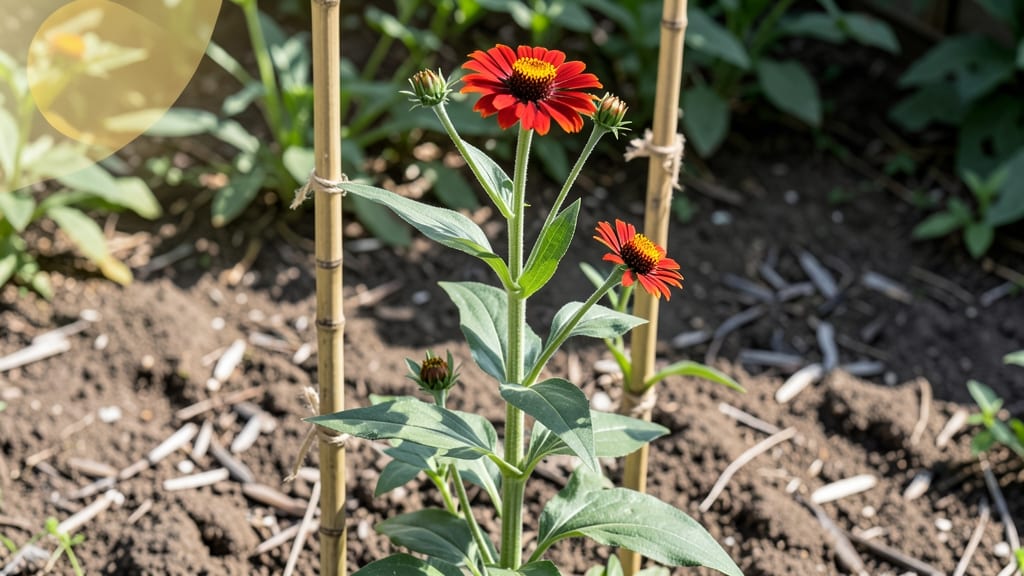
How to get zinnias to grow tall isn’t luck—it’s sunlight strategy. 🌞 My first year growing them, I ended up with stubby stems and sad blooms until I cracked the light code. Zinnias stretch toward the sun like sun-worshippers, and giving them exactly what they crave transforms weak seedlings into 4-5 foot stalks of color.
The secret? 6-8 hours of direct sunlight daily, no compromises. Plant them where they’ll get morning sun and afternoon light, not dappled shade. Amend your soil with compost for strong stems, water at the base (not overhead), and pinch back leggy growth early.
With these tweaks, your zinnias will grow tall enough to rival your fence—no staking required in most cases.
📚 In This Guide
- What you need
- Instructions
- Tips and common mistakes
- Wrapping up and next steps
What you need
- ● Zinnia seeds: Choose tall varieties like Benary’s Giant or State Fair (1–2 packets, ~50–100 seeds total).
- ● Well-draining potting mix: 1–2 bags (10–20 lbs) of high-quality garden soil or seed-starting mix.
- ● Containers or garden bed: For seedlings: 3–4 inch pots (6–12 total) or a seed tray with drainage holes.
- ● For transplanting: Garden bed (6+ inches deep) or large containers (12+ inches deep, 1–2 per plant).
- ● Organic fertilizer: Balanced 10-10-10 or slow-release granules (1–2 lbs for garden beds, 1 tbsp per container).
- ● Watering can or hose with gentle nozzle: For consistent moisture without crushing seedlings.
- ● Stakes or cages: 3–4 ft tall (6–12 units) to support stems as they grow (bamboo or metal works best).
- ● Gloves: 1 pair (to protect hands from soil and thorns).
- ● Trowel or hand fork: For transplanting seedlings.
- ● Pruners or scissors: Sharp and clean (for deadheading and trimming).
- ● Sunlight access: 6+ hours of direct sun daily (zinnias are sun-hungry!).
- ○ Optional but helpful: Mulch (straw or shredded leaves) to retain moisture.
- ● pH test kit (ideal soil pH: 6.0–7.0).
- ● Epsom salt (1 tbsp per gallon of water) for magnesium boosts.
Step-by-Step instructions for growing tall zinnias
Here's how to coax those dramatic, towering zinnias—starting with sunlight placement and simple care tweaks.
☀️ Step 1: Plant in Full Sun for Maximum Height
Zinnias need 6-8 hours of direct sunlight daily to grow tall and sturdy. I always place mine in the sunniest spot in my garden—usually the south side of the house or fence. If your yard has afternoon shade, choose a location where they get morning sun instead.
Dig a hole twice as wide as the root ball but only as deep. This encourages roots to spread out rather than sit too deep, which can make stems floppy. Gently remove the plant from its container and loosen any circling roots with your fingers. Place it in the hole so the top of the root ball sits level with the surrounding soil.
🌱 Step 2: Space Plants Properly for Airflow
For tall zinnias, spacing matters. Plant each seedling 12-18 inches apart in rows that are 18-24 inches apart. This gives them room to develop strong stems without competing for light or nutrients. Crowded zinnias grow leggy and weak, so don't skip this step.
After planting, water deeply to settle the soil around the roots. You'll know you've done it right when the soil looks evenly moist and the plant sits firmly in place. Avoid watering from above—direct streams can dislodge seedlings or create muddy soil that smothers roots.
✂️ Step 3: Prune Strategically to Encourage Vertical Growth
When zinnias reach about 6 inches tall, pinch off the top set of leaves just above a pair of healthy leaves. This might seem counterintuitive, but it forces the plant to grow taller and bushier. You'll see new side shoots forming within a week or two—that's your signal everything is working.
Once the plant reaches 12-18 inches tall, remove any flowers that appear on the lower third of the stem. This redirects energy to the top of the plant, where you want those showstopping blooms. I like to do this in the morning so any damaged stems have time to recover before evening.
💧 Step 4: Water Consistently Without Overdoing It
Zinnias need 1 inch of water per week, but they hate soggy roots. Water deeply once or twice a week, depending on your climate, and always water at the base of the plant. Wet leaves can lead to fungal diseases, which will stunt growth and ruin your towering dreams.
Check the soil moisture by sticking your finger 1 inch into the soil. If it feels dry, it's time to water. If it's still damp, wait another day or two. Mulching around the base with 2-3 inches of organic mulch helps retain moisture and keeps roots cool, which encourages strong vertical growth.
🌿 Step 5: Fertilize Lightly for Strong Stems
Use a balanced, water-soluble fertilizer (like 10-10-10) at half-strength every 4-6 weeks during the growing season. Too much fertilizer leads to lush foliage but weak stems—exactly what you don't want for tall zinnias. I mix it in a watering can and apply it directly to the soil, not the leaves.
Stop fertilizing once the plant starts flowering. The energy should go into producing those dramatic blooms, not new growth. You'll know you're on the right track when the stems feel sturdy and the leaves are deep green, not yellow or pale.
Tips & tricks for growing towering zinnias
These simple strategies will help you coax those dramatic, sun-loving zinnias to their full height potential.
Light Exposure is Everything: In Step 1, those 14-16 hours of daily light aren't optional—they're the foundation for strong stems. If your seedlings stretch toward the window (a sign of legginess), move them closer to the light source immediately. I've seen seedlings double in height overnight when deprived of light—this weakens their structural integrity before they even hit the garden. For best results, supplement natural light with grow lights if your windows don't provide enough intensity.
Soil Temperature Matters: The instructions mention keeping soil at 70-75°F for germination, but here's what nobody tells you—zinnias actually prefer slightly cooler soil (65°F) once they've sprouted to prevent overgrowth. Use a soil thermometer to monitor temperatures after germination begins. If your soil runs hotter than 75°F, consider moving your seed trays to a cooler location or using shade cloth during peak afternoon sun.
Support System is Non-Negotiable: When you're installing stakes or cages in Step 4 for varieties over 3 feet tall, don't wait until the plants are already toppling! The best time to add support is at planting—zinnias grow surprisingly fast, and retrofitting support later often leads to broken stems. I recommend using 3-foot bamboo stakes for most tall varieties, inserted 2 inches deep into the soil at a 45-degree angle for maximum stability. Tie plants loosely with soft garden twine to avoid restricting growth.
Watering Wisdom: The 1 inch weekly guideline is perfect, but timing makes all the difference. Always water in the early morning so foliage has time to dry completely before evening. Wet leaves overnight create the perfect conditions for powdery mildew, which weakens stems and causes that dreaded flopping. I've found that using a soaker hose for 20-30 minutes delivers water directly to roots without wetting leaves—this simple change has dramatically improved my zinnias' structural integrity.
Pro Tips for Get Zinnias To Grow Tall
- These simple strategies will help you coax those dramatic, sun-loving zinnias to their full height potential.
- Light Exposure is Everything: In Step 1, those 14-16 hours of daily light aren't optional—they're the foundation for strong stems.
- Use a soil thermometer to monitor temperatures after germination begins.
Frequently asked questions
Got questions about growing tall zinnias?
You’re not alone! Here are answers to the most common concerns—from sunlight struggles to staking secrets—so you can enjoy those towering blooms without the guesswork.
How much sunlight do zinnias really need to grow tall?
Zinnias thrive in full sun (6–8+ hours daily), but consistent sunlight is key. If they’re leggy or flopping, they’re likely stretching for light. Try moving them to a sunnier spot or use a reflective surface (like white mulch) to bounce extra light onto their stems. Pro tip: Morning sun + afternoon shade works in hot climates to prevent wilting.
Why are my zinnias growing but staying short and bushy?
Short, bushy zinnias often signal overcrowding or pinching gone wrong. Check your spacing—zinnias need 12–18 inches apart to stretch vertically. If you pinched early (removing top buds), stop now! Let them grow tall naturally. Bonus: Deadhead spent blooms to redirect energy upward.
Can I grow zinnias tall in containers? What’s the best pot size?
Yes! Use large containers (at least 12–15 inches deep) with well-draining soil. Dwarf varieties (like ‘Thumbelina’) stay compact, but tall types (e.g., ‘Benary’s Giant’) need 5–6 inches between plants and staking or cages for support. Drainage is critical: Add perlite or sand to prevent root rot.
My zinnias are top-heavy and falling over—how do I fix it?
Top-heavy zinnias need support ASAP! Use:
- Stakes: Insert bamboo stakes gently beside stems (avoid piercing roots).
- Cages: Wire tomato cages work great for multiple plants.
- Trellis: For a vertical garden, train stems along a mesh trellis.
Preventative tip: Thin seedlings early to reduce crowding—fewer stems = stronger, taller growth.
Do zinnias grow taller in cooler vs. hot weather?
Zinnias grow fastest in warm (70–75°F) but not scorching weather. In heatwaves, they may bolt (shoot up quickly but stay weak). Solutions:
- Water deeply at soil level (avoid wetting leaves to prevent mildew).
- Use shade cloth (30–50%) midday in extreme heat.
- Choose heat-tolerant varieties like ‘Profusion’ or ‘Magnifica.’
Cold snap? Zinnias die back below 30°F—plant after your last frost for best results.
Wrapping up and next steps
Growing tall, vibrant zinnias is all about sunlight, support, and a little TLC—and you’ve got the know-how now! With the right soil, spacing, and staking (or cage), your zinnias will reach for the sky in no time. Don’t forget: patience and consistency are your best friends.
Ready to watch your garden burst with color? Start by planting those seeds or seedlings this week, and soon you’ll be snapping photos of your towering blooms. Happy gardening—your future zinnia giants are waiting! 🌻✨