
Container Gardens
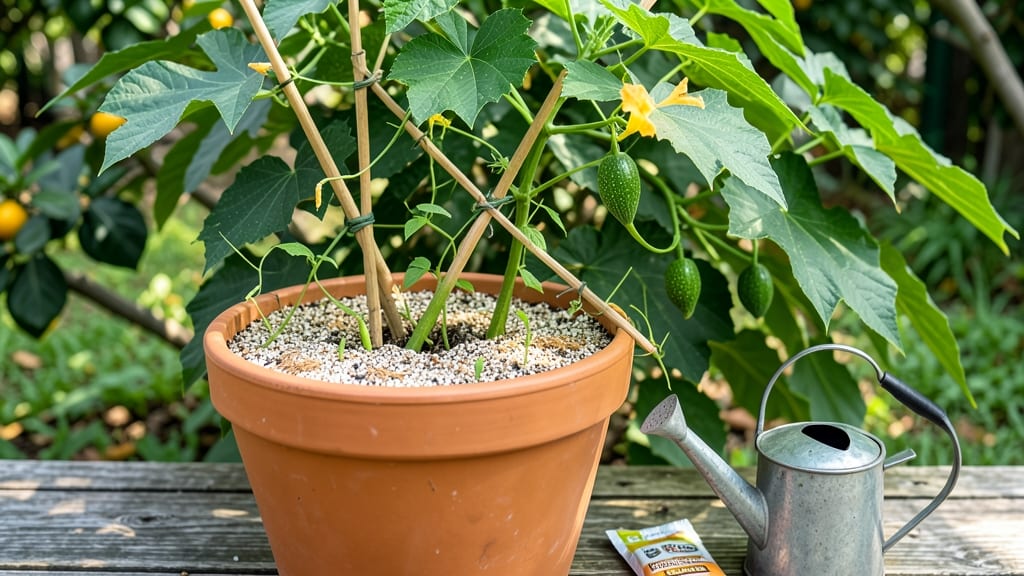
How to grow ampalaya in a pot feels like a magic trick—this tropical vine thrives where most vegetables refuse to play. 🌱 I've grown it in 5-gallon containers on my balcony, and the key isn't just the right pot size, but understanding how this vine actually behaves in confined spaces. The secret lies in matching its needs: a 10-15 gallon pot for mature plants (yes, bigger is better), well-draining soil with compost, and 6+ hours of direct sun daily. Most beginners overwater or under-support the vines, leading to floppy, fruitless plants. Ampalaya needs trellis support from day one—it's not a sprawling ground cover. You'll harvest long, spiky fruits within 3-4 months if you keep the soil consistently moist (not soggy) and fertilize every 2-3 weeks with balanced organic fertilizer. The first fruits might be small, but each plant produces 50+ melons per season with proper care. Works for urban balconies, small patios, or even sunny windowsills with grow lights. The only downside? You'll need to hand-pollinate flowers—worth it for homegrown bitter melon! Here's exactly how to set it up without common mistakes.
📚 In This Guide
- What you need
- Instructions
- Tips and common mistakes
- Wrapping up and next steps
What you need
- ● Container: A 5-gallon pot (18-inch diameter) or larger (ampalaya vines need room to sprawl!). Ensure it has drainage holes to prevent root rot.
- ● Ampalaya Seeds: 3–5 seeds per pot (or a single seedling if starting from a nursery). Choose organic, non-GMO seeds for best results.
- ● Potting Mix: A well-draining, nutrient-rich blend (e.g., 60% coconut coir, 30% perlite, 10% compost). Avoid heavy garden soil!
- ● Fertilizer: A balanced liquid fertilizer (10-10-10 NPK) or organic options like fish emulsion or worm castings.
- ● Support Structure: A trellis, bamboo stake, or wire cage (at least 4–6 feet tall) to guide vines upward.
- ● Watering Can or Hose: With a gentle spray nozzle to avoid disturbing the soil.
- ● A hand trowel for transplanting seedlings.
- ● Pruning shears to trim excess vines or dead leaves.
- ● A pH testing kit (ideal soil pH: 6.0–6.8).
- ● Mulch (straw or shredded leaves) to retain moisture and suppress weeds.
- ● Grow lights (LED, full-spectrum) if growing indoors with limited sunlight.
Step-by-step instructions for growing ampalaya in containers
Here's how to cultivate this tropical vine successfully in pots—no sprawling garden needed.
🪴 Step 1: Select the Right Pot and Drainage
Ampalaya thrives in 5-gallon containers minimum to accommodate its vigorous root system. Choose a pot with multiple drainage holes—bitter melon hates soggy roots and will yellow leaves if waterlogged. I prefer fabric grow bags because they allow excess moisture to evaporate while still providing excellent aeration.
If using traditional plastic or ceramic pots, add a 2-inch layer of perlite or coarse sand at the bottom to improve drainage. Ampalaya's roots need both oxygen and quick-draining soil to prevent rot. Place your pot where it will receive full sun (6+ hours daily)—a south-facing balcony or patio works perfectly.
🌱 Step 2: Prepare Soil and Plant Seedlings
Fill the pot with a well-draining potting mix blended with 20% coconut coir for moisture retention and 10% perlite for aeration. Ampalaya prefers slightly acidic to neutral soil with a pH between 6.0 and 6.8. I mix 1 part compost into the blend to provide slow-release nutrients without compacting the soil.
Plant 4-6 week-old seedlings (not seeds) 1 inch deep, spacing them 12 inches apart in the pot. Ampalaya grows fast, so crowding leads to competition for light and nutrients. Water immediately after planting to settle the soil around the roots. Use lukewarm water—cold water can shock the roots and stunt growth.
☀️ Step 3: Provide Support and Consistent Care
Install a 5-6 foot tall trellis or tomato cage immediately after planting. Ampalaya is a vigorous climber and will twine aggressively—without support, vines sprawl and produce fewer fruits. Secure the trellis to a sturdy post or wall to handle the plant's weight as it matures.
Water deeply every 2-3 days during hot weather, ensuring the top 2 inches of soil feel dry before watering again. Ampalaya is drought-tolerant but produces best with consistent moisture. Fertilize every 4 weeks with a balanced liquid fertilizer (10-10-10) diluted to half-strength. You'll notice dark green leaves and rapid vine growth within 2 weeks of proper feeding.
✂️ Step 4: Prune and Harvest for Maximum Yield
When vines reach the top of the trellis, prune the tips to encourage bushier growth and more fruit production. Remove any yellowed or diseased leaves immediately to prevent spread. Ampalaya flowers are small and yellow, appearing 6-8 weeks after planting. Hand-pollinate by gently shaking the vines in the morning to ensure fruit set.
Harvest young, tender fruit (3-5 inches long) for best flavor. Mature bitter melons develop a thick, warty rind and become extremely bitter—harvest when firm but still green. Use clean pruning shears to cut stems, leaving ½ inch of stem attached to the fruit. With proper care, a 5-gallon pot can yield 4-6 harvests per season.
Tips & tricks for growing ampalaya in containers
Ampalaya might seem intimidating in pots, but these insider tricks will help you grow a thriving bitter melon vine—no green thumb required.
Container Size Matters: While the instructions specify a minimum 5-gallon container, I've found that 7-10 gallon pots produce significantly more fruit by giving roots extra room to spread. The extra space also helps stabilize the plant as it matures and climbs. If you're limited to 5 gallons, choose the deepest pot available to accommodate the vine's vigorous root system.
Soil Mix Secrets: The 20% coconut coir and 10% perlite blend is perfect, but I add an extra 5% worm castings to boost microbial activity in the soil. This helps break down nutrients more efficiently, which is especially helpful in containers where nutrients deplete faster. Test your soil pH before planting—aim for that 6.0-6.8 range, as ampalaya is sensitive to alkaline conditions that can cause nutrient deficiencies.
Watering Wisdom: The "every 2-3 days" guideline works for average conditions, but adjust based on your climate and pot material. Fabric grow bags dry out faster than ceramic—check moisture by sticking your finger 2 inches deep. In extreme heat, you might need daily watering, while cooler weather may extend this to every 4 days. Always water at the base to avoid wetting leaves, which can promote fungal diseases like powdery mildew.
Support System Upgrade: While a 5-6 foot trellis works, I recommend installing a 6-foot tall bamboo trellis with horizontal crossbars every 18 inches. This creates more surface area for vines to climb, resulting in bushier growth and higher yields. Secure the trellis to a heavy-duty post or wall anchor—ampalaya vines can reach 10-15 pounds per vine when fully loaded with fruit!
Pro Tips for Grow Ampalaya In A Pot
- Ampalaya might seem intimidating in pots, but these insider tricks will help you grow a thriving bitter melon vine—no green thumb required.
- Container Size Matters: While the instructions specify a minimum 5-gallon container, I've found that 7-10 gallon pots produce significantly more fruit by giving roots extra room to spread.
- Soil Mix Secrets: The 20% coconut coir and 10% perlite blend is perfect, but I add an extra 5% worm castings to boost microbial activity in the soil.
Frequently asked questions
Got questions about growing ampalaya (bitter melon) in pots?
You’re not alone! Here are some of the most common queries—plus quick, practical answers to help you succeed.
How deep should the pot be for ampalaya?
Ampalaya needs room to spread its roots, so aim for a pot at least 12–18 inches deep and 12–15 inches wide. Deeper pots prevent root binding, which can stunt growth. If using a shallow container, opt for a fast-growing variety like ‘Green-Fleshed’ and monitor roots closely.
How long does it take for ampalaya to bear fruit in a pot?
With ideal conditions (sun, warmth, and consistent watering), ampalaya can produce fruits in 3–5 months from seed. If starting with seedlings, expect fruit in 2–3 months. Patience is key—rushing with fertilizers or overcrowding can delay harvests.
Why are my ampalaya leaves turning yellow?
Yellowing leaves usually signal overwatering or nutrient deficiency. Check the soil—it should stay slightly moist but not soggy. Ampalaya thrives in well-draining soil; amend with compost if leaves look pale. Yellow edges? It might be salt buildup—flush the pot with water to cleanse the roots.
Can I grow ampalaya indoors near a sunny window?
While ampalaya loves 6+ hours of direct sunlight daily, a south-facing window can work in a pinch—especially in summer. For winter, supplement with a grow light 12–14 hours/day. If leaves stretch or weaken, it’s a sign your plant needs more light. Rotate the pot weekly for even growth.
What can I do if my ampalaya flowers but no fruit forms?
No fruit? It’s often due to lack of pollination. Gently shake the plant near flowers to encourage cross-pollination, or use a soft brush to transfer pollen. Ampalaya also needs warmth (70°F+) and regular feeding (every 2–3 weeks with balanced fertilizer). If flowers drop early, it may be stress from drought or pests—check for aphids or mites.
Wrapping up and next steps
Growing ampalaya (bitter melon) in a pot is totally doable—even for beginners! With the right container, soil, sunlight, and a little patience, you’ll soon enjoy homegrown bitter melon, whether for its health benefits or delicious dishes. 🌱
Now that you’re armed with the know-how, why not start your first plant today? Pick a sunny spot, grab a pot, and let nature take its course. Happy gardening—and soon, you’ll be harvesting your own crisp, vibrant ampalaya! 🎉