
Propagation
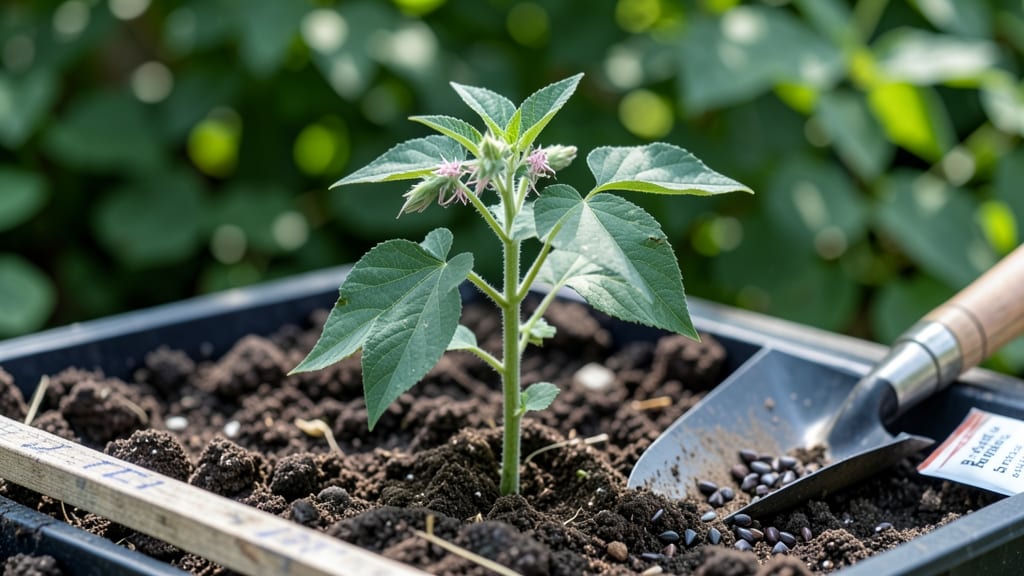
How to grow buckwheat from seed—it sprouts in just 5 days—faster than most greens. 🌱 I’ve grown it as a cover crop, grain, and even ornamental plant, and the secret to success starts with the right soil prep and timing. This isn’t just another seed; it’s a workhorse that thrives in poor conditions, fixes nitrogen, and produces edible grain in 20 days from seed.
The key? Planting in full sun with well-draining soil—even rocky or sandy spots work. Scatter seeds ½ inch deep, 6 inches apart, and keep them lightly moist until germination. No fancy equipment needed; just a rake, a little patience, and a sunny patch.
It’s the kind of plant that rewards quick action with big results—perfect for beginners or anyone short on time.
By week 3, you’ll see lush, triangular leaves and tiny white flowers that turn into edible seeds. Use it as a cover crop to prevent weeds, harvest young shoots as microgreens, or let it mature for grain.
The versatility is what makes it a game-changer for small gardens or urban plots.
Fair warning: Buckwheat spreads aggressively—plant it where you want it to stay. But if you’re after fast, low-maintenance growth, this is the seed for you. Ready to try it?
📚 In This Guide
- What you need
- Instructions
- Tips and common mistakes
- Wrapping up and next steps
What you need
- ● Buckwheat seeds: 1–2 pounds (enough for a 10’ x 10’ patch or 4–6 containers). Pro tip: Choose organic, non-GMO seeds for the best flavor and nutrition! 🌿
- ● Growing space: Outdoor garden bed (6–10 hours of sunlight daily).
- ● OR Large containers (12+ inches deep, with drainage holes).
- ○ High-quality soil: Well-draining, loamy soil with a pH of 5.5–7.0. Optional: Mix in compost (1 part compost to 3 parts soil) for extra nutrients.
- ● Watering can or hose: With a gentle spray nozzle (buckwheat hates soggy soil!).
- ● Garden gloves: To protect your hands from prickly stems (trust us, they’re sharp!).
- ● Seedling trays (if starting indoors 2–3 weeks before last frost).
- ● Row covers or netting (to deter birds and pests).
- ● Organic mulch (straw or grass clippings) to retain moisture.
- ● Fertilizer: Low-nitrogen, balanced fertilizer (5-5-5 or compost tea).
- ● Pruners or scissors (for harvesting).
Step-by-step instructions for growing buckwheat from seed
Buckwheat sprouts in days, not weeks—here’s how to harness its speed and hardiness.
🌱 Step 1: Prepare the Planting Site or Containers
Choose a location with full sun exposure (6+ hours daily), as buckwheat thrives in warmth and light. For containers, use 5-gallon pots or raised beds at least 12 inches deep—buckwheat’s roots spread aggressively. If planting directly in the garden, loosen soil to a depth of 6 inches to encourage root penetration.
Buckwheat prefers slightly acidic to neutral soil (pH 5.5-7.0). Amend heavy clay with compost or coarse sand to improve drainage—waterlogged roots will stunt growth. Here’s the thing: buckwheat tolerates poor soil better than most grains, but it still rewards you with faster germination and higher yields when conditions are ideal.
🌱 Step 2: Sow Seeds at the Right Depth and Spacing
Scatter seeds 1 inch apart in rows spaced 12-18 inches apart for direct sowing, or ½ inch deep in containers. Press them gently into the soil—buckwheat seeds are small and lightweight, so they won’t embed themselves naturally. For a thicker stand, sow in a checkerboard pattern rather than straight rows.
Cover lightly with soil, then water gently but thoroughly. You’ll see the first sprouts emerge in just 3-5 days—this is buckwheat’s superpower. If planting in cooler climates, wait until soil temperatures reach 50°F or higher; cold soil delays germination. Real talk: if you’re impatient, a seedling heat mat speeds things up by 2-3 days.
☀️ Step 3: Maintain Moisture and Monitor Growth
Keep the soil consistently moist but never soggy—buckwheat’s shallow roots dry out quickly in hot weather. Water at the base of plants in the morning to prevent fungal issues. You’ll notice leaves unfurl within 7-10 days, followed by rapid stem elongation. Here’s where it gets fun: buckwheat grows 2-3 inches per day under ideal conditions.
Thin seedlings to 6 inches apart once they reach 2 inches tall to prevent competition. Use scissors to snip unwanted plants at soil level—this avoids disturbing roots and keeps the area clean. If you’re growing for grain, avoid overwatering after flowering, as excess moisture can reduce yield.
✂️ Step 4: Harvest at Peak Maturity
Buckwheat reaches maturity in 20-25 days, but harvest timing depends on your goal. For young shoots (greens), harvest when plants are 12-18 inches tall by cutting stems 2 inches above ground. For grain, wait until the flowers turn golden-brown and the seed heads dry slightly—this usually takes 4-6 weeks from sowing.
Cut entire plants with a sharp knife or shears, then bundle them upside-down in a dry, shaded area to dry for 1-2 weeks. Shake heads gently over a tarp to release seeds. Don’t skip this step: improper drying leads to moldy grain. For greens, use immediately or store in the fridge for 3-5 days.
🌿 Step 5: Prevent Common Pitfalls
Watch for powdery mildew in humid conditions—space plants properly and water at the base to reduce risk. If aphids appear, blast them off with a strong stream of water; buckwheat’s rapid growth often outpaces minor pest issues. Overcrowding is the biggest mistake—it slows growth and invites disease. I’ve seen buckwheat recover from late frosts, but a hard freeze will kill it outright.
For continuous harvests, succession plant every 2 weeks in warm climates. Buckwheat’s adaptability makes it a great cover crop too—its deep roots break up compacted soil. Here’s the thing: if you let it go to seed, it self-sows aggressively, so monitor volunteer plants if you don’t want it spreading.
Tips & tricks for growing buckwheat from seed
Buckwheat's rapid growth makes it a gardener's dream—here's how to maximize its potential without common pitfalls.
Soil Preparation Secret: While buckwheat tolerates poor soil, amending with compost before planting boosts yields by up to 30%. Focus on the top 6 inches where roots will spread aggressively. I've found that adding a handful of worm castings at planting time gives seedlings an extra energy boost during those critical first 7-10 days when leaves are unfurling.
Germination Speed Hack: Those 3-5 days to first sprouts are impressive, but you can shave off 2-3 days by using a seedling heat mat if your soil is below 50°F. Place the mat under your containers or garden bed before sowing—this creates the ideal 60-65°F soil temperature buckwheat loves. The difference between 50°F and 60°F soil is like night and day for germination speed.
Thinning Technique: When thinning seedlings to 6 inches apart, use clean scissors to snip at soil level rather than pulling. This prevents disturbing nearby plants' roots and keeps the area tidy. I've noticed that plants thinned this way recover faster and grow more vigorously than those pulled by hand, especially in hot weather when moisture is critical.
Harvest Timing Insight: For greens, harvest when plants reach 12-18 inches—this is when the leaves are most tender and nutritious. For grain, wait until flowers turn golden-brown but haven't fully dried on the plant. This window is crucial: harvesting too early means underdeveloped seeds, while waiting too long risks shattering. I've learned to check seed heads daily during this 4-6 week period to catch the perfect moment.
Pro Tips for Grow Buckwheat From Seed
- Buckwheat's rapid growth makes it a gardener's dream—here's how to maximize its potential without common pitfalls.
- Soil Preparation Secret: While buckwheat tolerates poor soil, amending with compost before planting boosts yields by up to 30%.
- Germination Speed Hack: Those 3-5 days to first sprouts are impressive, but you can shave off 2-3 days by using a seedling heat mat if your soil is below 50°F.
Frequently asked questions
Got questions about growing buckwheat from seed?
You’re not alone! Here are answers to the most common concerns—from timing to troubleshooting—to help you grow this fast, nutritious crop with confidence.
How long does buckwheat take to grow from seed to harvest?
Buckwheat is a superfast crop! From seed to harvest, it typically takes just 20–30 days in warm conditions (60°F/15°C or warmer). If you’re growing it for grain, wait until the flowers turn golden and the hulls dry slightly—usually 3–4 weeks after sprouting. For greens, harvest leaves 3–4 weeks after planting.
Can I grow buckwheat indoors or in containers?
Buckwheat thrives in 5-gallon containers or deeper pots (at least 12 inches deep) with well-draining soil. Place it in a sunny spot (6+ hours of light daily) or under grow lights. Just ensure your container has drainage holes to prevent root rot—this crop hates soggy feet!
What do I do if my buckwheat seeds aren’t germinating?
Buckwheat seeds need warmth and moisture to sprout. If they’re slow to germinate:
- Check soil temp: Ideal range is 60–85°F (15–29°C). Use a seedling heat mat if your space is cool.
- Soak seeds overnight: Place them in warm water for 4–6 hours before planting to kickstart germination.
- Ensure moisture: Keep soil consistently damp (not waterlogged) and cover seeds lightly with soil (¼ inch max).
Is buckwheat annual or perennial? Can I save seeds for next year?
Buckwheat is an annual plant, meaning it completes its life cycle in one season. However, you can save seeds for next year! Let some plants mature fully, then harvest the seeds when the hulls turn hard and dry. Store them in a cool, dry place (like a paper envelope) for up to 2 years—they’ll stay viable for replanting.
What can I do if pests or diseases attack my buckwheat?
Buckwheat is generally pest-resistant, but aphids or powdery mildew can occasionally appear. Here’s how to handle it:
- Aphids: Spray with a soapy water mix (1 tsp mild soap per quart of water) or introduce ladybugs.
- Powdery mildew: Improve airflow, avoid overhead watering, and apply a baking soda spray (1 tsp baking soda + 1 quart water + a drop of soap).
- Prevention: Rotate crops and plant buckwheat in full sun to deter fungal issues.
Wrapping up and next steps
Growing buckwheat from seed is a rewarding, fast, and nutrient-packed adventure—perfect for beginners or seasoned gardeners looking to boost their harvest in just 20 days! 🌱 With minimal effort and the right conditions, you’ll enjoy crisp greens, protein-rich sprouts, or even gluten-free grains right from your backyard.
Start small, experiment with containers or soil, and soon you’ll be savoring homegrown goodness year-round.
Ready to dive in? Plant your first batch this week! Track your progress, share tips with fellow gardeners, and watch your green thumb grow—literally. Happy planting! 🌟