
Propagation
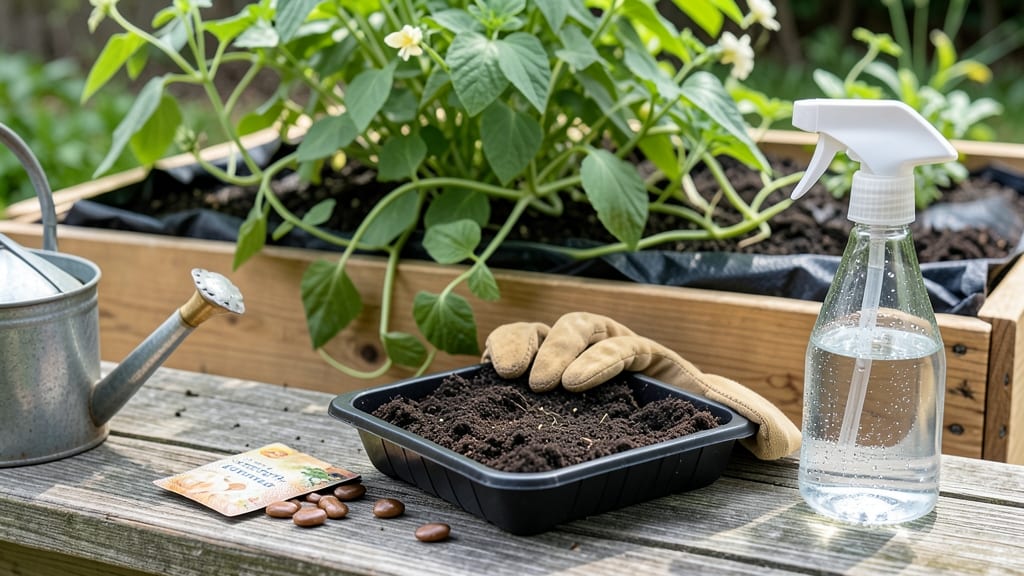
How to grow a Chinese lantern plant from seed could be ready in just 8-12 weeks—if you follow these germination secrets. 🌱 I’ve grown these striking plants for years, and the difference between thriving seedlings and sad, leggy failures comes down to three key factors: soil warmth, light exposure, and patience. Most beginners overlook the fact that Chinese lantern seeds (Physalis alkekengi) need consistent warmth (around 70°F) to germinate. A simple heat mat or sunny windowsill can make all the difference, while poor light leads to weak, stretched seedlings. The payoff? Those iconic paper lanterns glowing in autumn—vibrant, papery, and impossible to ignore—start with strong roots. Once sprouted, keep seedlings in bright, indirect light and avoid overwatering (damping-off is the #1 killer). Transplant outdoors after the last frost, spacing them 18-24 inches apart for full impact. By fall, you’ll have a garden that looks like it belongs in a storybook. Perfect for containers or borders, these plants thrive in partial shade and add months of autumn color when most gardens fade. Let’s get those seeds started right!
📚 In This Guide
- What you need
- Instructions
- Tips and common mistakes
- Wrapping up and next steps
What you need
- ● Chinese lantern seeds: 10-20 seeds (ensure they’re fresh or stored properly for best germination).
- ● Seed-starting trays or small pots: 2-4 (2-3 inch diameter) with drainage holes.
- ● Seed-starting mix: 1 bag (sterilized, well-draining potting soil blend).
- ● Spray bottle: 1 (for gentle watering to avoid disturbing seeds).
- ● Plastic wrap or humidity dome: 1 (to retain moisture during germination).
- ● Grow lights or sunny windowsill: Access to 6-8 hours of indirect light daily.
- ● Plant labels: 2-4 (to track seed varieties if testing multiple batches).
- ● Fertilizer (balanced, water-soluble): 1 small bottle (e.g., 10-10-10 or 5-5-5).
- ● Heating mat: 1 (speeds up germination in cooler climates).
- ● Transplanting tool: 1 (small trowel for moving seedlings).
- ● Organic mulch (e.g., straw or coconut coir): 1 bag (for moisture retention).
- ● Humidity tray: 1 (if your environment is dry).
- ● Garden journal: 1 (to log germination progress and care notes).
Step-by-Step instructions for growing Chinese lantern plants from seed
Here's how to coax vibrant blooms from tiny seeds using my foolproof germination approach.
🌱 Step 1: Prepare Seeds and Planting Medium
Chinese lantern seeds (Physalis alkekengi) have a hard outer shell that benefits from a quick soak to soften. Place seeds in a bowl of lukewarm water for 12-24 hours—this ensures even germination and prevents uneven sprouting. After soaking, drain and let them air-dry slightly while you prepare your containers.
Use a well-draining seed-starting mix in 2-3 inch deep pots (4 plants total). Moisten the mix until it feels like a damp sponge—you want it to hold moisture without becoming soggy. Press the soil surface lightly to create a firm planting bed, but avoid compacting it too tightly. I like to add a pinch of perlite to each pot for extra aeration, which helps prevent damping-off disease later.
🌱 Step 2: Sow Seeds Correctly for Strong Starts
Sow 1-2 seeds per pot at a depth of ¼ inch—any deeper and they’ll struggle to reach the surface. Space seeds 1 inch apart if planting multiple in a larger container. The key here is consistency: I tap the seed packet gently to release one seed at a time, ensuring even spacing. Cover lightly with additional mix, but don’t bury them deeper than ⅛ inch.
Mist the soil surface with a spray bottle until evenly moist—no heavy watering here. Overwatering at this stage can wash seeds deeper into the soil or create crusts that prevent sprouts from breaking through. Place pots in a clear plastic bag or under a humidity dome to trap warmth and moisture. This creates the ideal 75-80°F environment they need to germinate.
☀️ Step 3: Provide Warmth and Light for Germination
Keep pots in a warm location—I use a seedling heat mat set to 70-75°F for consistent warmth. Without this, germination can take 3-4 weeks instead of the 7-14 days you’ll see with proper heat. Check soil moisture daily but only water if the top ½ inch feels dry—overwatering now is the fastest way to lose seedlings to rot.
Once sprouts appear, remove the humidity dome immediately to prevent fungal issues. Place pots under grow lights (or a south-facing window) for 12-14 hours of light daily. Chinese lantern seedlings are sensitive to legginess—if stems stretch toward the light, your source is too far away. Keep lights 2-3 inches above seedlings and adjust as they grow. You’ll know they’re happy when leaves are dark green and compact, not pale and spaced far apart.
🌿 Step 4: Transplant and Encourage Bushy Growth
After 4-6 weeks, when seedlings have 3-4 sets of true leaves, transplant them into 5-inch pots with fresh potting mix (amend with compost for nutrients). Handle seedlings by their leaves, never the stems—this prevents damage to delicate roots. Bury them slightly deeper than before to stabilize stems, but keep the soil level even with the base of the stem.
Pinch back the top set of leaves when plants reach 6 inches tall to encourage bushier growth. This might seem counterintuitive, but it forces energy into lateral branches where those signature lantern-shaped fruits will form. Water at the base, avoiding wet foliage, and fertilize lightly with a balanced liquid fertilizer (10-10-10) every 2 weeks during active growth. Watch for yellowing leaves—this usually means overwatering or poor drainage.
⏰ Step 5: Transition to Outdoor Conditions
When nighttime temperatures stay above 50°F, acclimate seedlings outdoors over 10-14 days. Start with 1-2 hours of morning sun in a sheltered spot, then gradually increase exposure. By day 7, they should handle a full day outside. Choose a sunny location with 6+ hours of light—partial shade will reduce fruit production.
Plant outdoors after the last frost, spacing 18-24 inches apart in well-draining soil. Mulch around the base with 2 inches of organic mulch to retain moisture and suppress weeds. Chinese lanterns are drought-tolerant once established, but consistent moisture during the first 2 months ensures strong root development. You’ll see blooms in 3-4 months, followed by the iconic paper-like lanterns that give the plant its name.
Tips & tricks for perfect Chinese lantern plant germination
These little-known tricks will help you bypass the finicky germination stage and grow vibrant Chinese lantern plants with confidence.
Soaking Strategy: The 12-24 hour soak isn't just about softening the seed coat—it's about mimicking natural rainfall conditions. Use a jar with warm (not hot) water to speed up the process without damaging the seeds. I add a drop of liquid seaweed fertilizer to the soaking water for an extra growth boost. This isn't mandatory, but it helps when dealing with particularly stubborn seeds.
Seedling Survival Secret: In Step 2, when you're maintaining that consistent moisture, here's what nobody tells you: the soil should feel like a wrung-out sponge—not dripping wet. I use a spray bottle with water at room temperature to avoid shocking the seeds. The key is daily checks—if the top inch feels dry, it's time to mist again. Overwatering at this stage is the #1 reason seeds fail to sprout.
Light Transition Tip: The move from indirect light to full sun in Step 3 can be tricky. Start by placing seedlings near a north-facing window for a few hours daily, then gradually increase exposure. I've found that rotating pots 180 degrees daily prevents leggy growth—this ensures even light exposure on all sides. Watch for pale yellow leaves as a sign they're getting too much direct sun too soon.
Transplanting Timing: Waiting until those 4-6 true leaves appear (Step 4) gives seedlings strong enough roots to handle transplant shock. I always harden off my seedlings by placing them outside in a sheltered spot for 2-3 hours daily during the week before transplanting. This gradual acclimation makes all the difference when moving them to their permanent home.
Pro Tips for Grow Chinese Lantern Plant From Seed
- These little-known tricks will help you bypass the finicky germination stage and grow vibrant Chinese lantern plants ...
- Soaking Strategy: The 12-24 hour soak isn't just about softening the seed coat—it's about mimicking natural rainfall ...
- Seedling Survival Secret: In Step 2, when you're maintaining that consistent moisture, here's what nobody tells you: ...
Frequently asked questions
Got questions?
Growing Chinese lantern plants from seed can feel tricky at first, but don’t worry—we’ve got answers to the most common ones! Whether you’re dealing with germination hiccups or curious about care tweaks, this FAQ will help you grow those stunning orange blooms with confidence.
How long does it take for Chinese lantern seeds to germinate?
Patience is key! Under ideal conditions (warm soil, 70–75°F, and consistent moisture), seeds typically sprout in 14–30 days. Some may take longer, especially if the soil is too cold or dry. If you’ve waited past 30 days with no sign of life, try gently pressing the seeds into fresh, warm soil or soaking them overnight to encourage germination.
Can I plant Chinese lantern seeds outdoors in spring?
Not without prep! These tropical beauties hate cold soil. Start seeds indoors 8–10 weeks before your last frost date (or in late spring after all frost risk has passed). If you’re in a cooler climate, wait until the soil is at least 60°F and use row covers to protect young seedlings from chilly nights.
Why aren’t my Chinese lantern seeds sprouting?
Here are the top culprits:
- Cold soil: These seeds need warmth—try a heat mat or place them near a sunny window.
- Too much moisture: Overwatering can drown seeds. Keep soil damp (not soggy) and use a spray bottle.
- Old or low-quality seeds: Store-bought seeds are often treated for faster germination. If yours are homemade, soak them in warm water for 24 hours first.
Can I grow Chinese lantern plants in containers?
These plants thrive in 5–7 gallon containers with drainage holes. Use a well-draining potting mix (like cactus/succulent blend) and place them in full sun (6+ hours daily). Just be prepared to fertilize regularly—container-grown plants need extra nutrients to reach their full height (4–6 feet!).
What can I do if my seedlings look leggy or weak?
Leggy seedlings mean they’re stretching for light! Move them closer to a bright window or under grow lights (12–16 hours/day). If they’re already outdoors, thin them to 12–18 inches apart to improve airflow and reduce competition. A quick pinch of the top leaves can encourage bushier growth too!
Wrapping up and next steps
Growing a Chinese lantern plant (Physalis alkekengi) from seed is a rewarding journey that brings vibrant orange blooms to your garden! With patience, the right soil mix, and a little warmth, you’ll soon enjoy their striking lantern-like fruits. Don’t let small setbacks discourage you—even experienced gardeners face challenges with germination.
Now that you’re armed with tips, take the next step! Start your seeds indoors this week and watch them sprout into beautiful, low-maintenance plants. Share your progress with fellow gardeners—your success might inspire someone else to try their hand at growing these unique beauties! 🌱✨