
Size
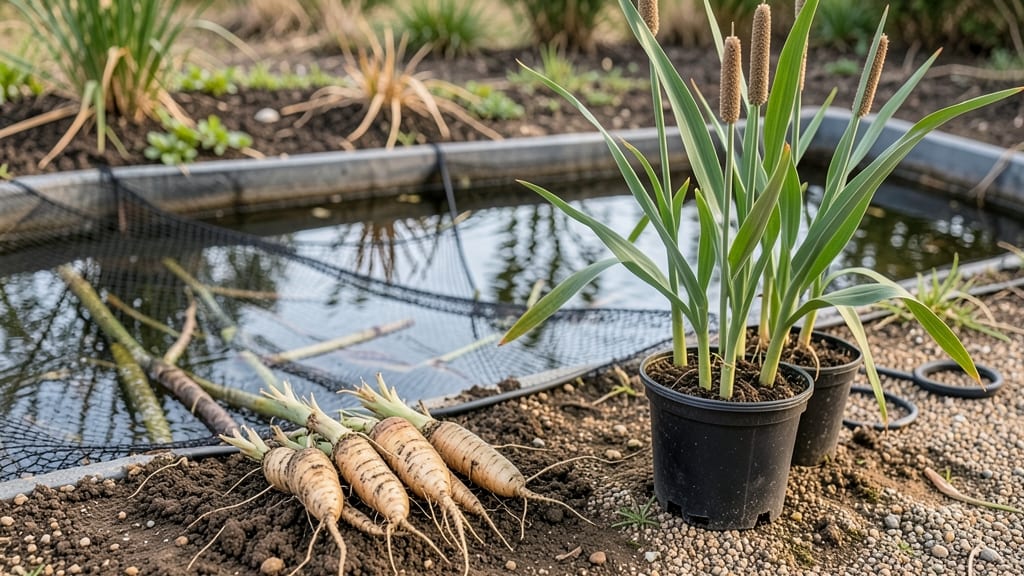
How to grow cattails in a pond turns murky water into a thriving wetland oasis. 🌿 I've watched these striking plants transform shallow edges into lush, natural habitats where dragonflies dance and frogs sing. The key? Matching their needs to your pond's conditions—something I learned after my first overgrowth fiasco.
Cattails thrive in 12-36 inches of water, where their roots anchor firmly in soft, organic soil. They love full sun but tolerate partial shade, and while native varieties support local ecosystems, non-natives can spread aggressively.
Start with just a few plants—you'll be amazed how quickly they fill gaps while keeping water clean.
Plant them in early spring when water temperatures hit 55°F, spacing clumps 2-3 feet apart. Within a season, you'll see those iconic brown flower spikes rising, providing year-round interest and wildlife benefits. The real magic happens when they stabilize shorelines and filter runoff naturally.
Watch for overgrowth—cattails multiply fast! Trim back in late fall to maintain balance, and avoid planting near drinking water sources if using non-native types. With proper placement, these plants become the backbone of a self-sustaining pond ecosystem that looks stunning and works hard for you.
📚 In This Guide
- What you need
- Instructions
- Tips and common mistakes
- Wrapping up and next steps
What you need
- ● Cattail plants (Typha spp.) – Purchase 3–5 healthy rhizomes or potted plants from a nursery or online supplier. Choose native varieties like Typha latifolia (common cattail) or Typha angustifolia (narrow-leaved cattail) for best results.
- ● Pond or shallow water feature – A minimum depth of 6–12 inches (15–30 cm) with soft, muddy bottom soil (sandy loam or clay works best). Avoid rocky or compacted areas.
- ● Garden shovel or trowel – For planting rhizomes 6–12 inches deep and spacing them 18–24 inches apart.
- ○ Water testing kit (optional but recommended) – Ensures your pond’s pH (6.0–7.5) and nutrient levels (moderate nitrogen/phosphorus) are ideal for cattails.
- ● Mulch or aquatic soil mix – 1–2 gallons of peat moss or compost to enrich planting areas (especially if soil is nutrient-poor).
- ○ Stakes or markers (optional) – Helps track plant placement if visibility is low in murky water.
- ● Fertilizer (low-phosphorus) – A balanced aquatic fertilizer (5-5-5 or 10-10-10) to boost growth in the first growing season (use sparingly!).
- ● Pond dye or shade cloth – Protects young plants from direct sunlight or algae blooms in the early stages.
- ● Water pump or aerator – Keeps water circulating gently (1–2 gallons per minute) to prevent stagnation.
- ● Wildlife-friendly additions – Floating plants (like water lilies) or pond stones to create diverse habitats for birds and insects.
Step-by-step instructions for planting cattails in a pond
Here's how to establish cattails naturally—no special supplies needed, just patience and the right conditions.
🌱 Step 1: Choose the Right Pond Location
Cattails thrive in shallow, still water with at least 6+ hours of direct sunlight daily. Look for areas where water depth is between 1-3 feet—deeper spots will drown the roots, while shallower zones may dry out in summer. I always check the pond's deepest point first, then mark where the water level drops to 2 feet—this is your planting zone.
Test the water quality too. Cattails tolerate some algae but struggle in stagnant, murky water. If your pond has heavy algae blooms, add a few water lilies or barbs first—they'll help oxygenate and clean the water before introducing cattails. You'll know you've picked the right spot when you see other wetland plants like rushes or pickerelweed already growing nearby.
🪴 Step 2: Plant Cattail Rhizomes or Transplants
Purchase healthy cattail rhizomes or small potted plants from a wetland nursery. For rhizomes, plant them horizontally in the pond's shallow edge, partially buried in 1-2 inches of native pond soil or sand. Space them 18-24 inches apart—this gives them room to spread naturally without overcrowding. I like to plant in clusters of 3-4 to create natural-looking stands.
If using container-grown plants, remove them from the pot and gently tease the roots apart before planting. The crown should sit just below the water's surface, with roots submerged but not buried. Press the soil lightly around the base to secure the plant. Don't worry if the first few leaves appear stunted—they'll adjust within weeks as the plant establishes.
☀️ Step 3: Monitor Water Levels and Growth
Cattails are resilient but need consistent moisture. After planting, check water levels weekly—especially during dry spells. If the water recedes too much and exposes the roots, gently add water to maintain the 1-3 foot depth range. You'll see new shoots emerge within 3-4 weeks, though some may take up to 6 weeks in cooler climates.
Watch for signs of stress: yellowing leaves often mean the water's too deep, while crispy leaf edges signal insufficient moisture. Cattails naturally spread via rhizomes, so you may see new shoots popping up nearby after the first growing season. This is normal—it means your plants are thriving and colonizing their new habitat.
✂️ Step 4: Maintain and Control Spread
Once established, cattails require minimal care. In late winter or early spring, trim back dead foliage to make room for new growth. I use clean, sharp pruners to cut stems down to 2-3 inches above the waterline, which also prevents seed heads from spreading too aggressively. Never remove more than 30% of the plant—this keeps the root system strong for the next season.
If cattails spread beyond your desired area, dig up excess rhizomes in early spring before new shoots appear. Wear gloves—cattail rhizomes can be sharp! You'll know you've achieved balance when your pond has a natural, layered look with cattails framing the edges without taking over the center.
Tips & tricks for thriving cattail growth in your pond
These natural growth secrets will help you create a lush, balanced cattail habitat that thrives year after year.
Location Intelligence: The 6+ hours of direct sunlight requirement is non-negotiable—cattails are sun worshippers. I've found that planting near the pond's western edge gives them afternoon sun without the harsh midday glare. Also, avoid spots where water lilies already dominate; cattails need their own space to establish. If your pond has limited sunlight, consider adding a small solar-powered fountain nearby—gentle water movement can actually increase light penetration to the pond floor.
Rhizome Planting Precision: When planting those 18-24 inch spaced rhizomes, think of them like underwater runners. The horizontal planting position encourages natural spreading while keeping the crown just below water level is critical—this prevents rot from too much submersion or drying from exposure. I've seen beginners bury rhizomes too deep, which leads to stunted growth. A simple trick: plant with the "eyes" (bud nodes) facing upward, just like planting potatoes, and you'll get better shoot emergence.
Water Management Strategy: That 1-3 foot depth range is your golden zone, but seasonal variations matter. In summer droughts, I've had to add water weekly to maintain the 2-foot mark at planting depth. For winter protection, cattails can handle some ice coverage, but if your pond freezes completely, consider adding a small aerator to prevent total ice formation. The roots need oxygen too!
Maintenance Mindset: The 2-3 inch pruning height in Step 4 isn't arbitrary—it's about balance. Cutting higher risks seed spread (which you may or may not want), while cutting lower can stress the plant. I've found that late winter pruning gives the plant a fresh start before spring growth begins. And remember, those sharp rhizomes? Wear gloves when digging—trust me, you don't want cattail splinters in your fingers while you're trying to enjoy your pond!
Pro Tips for Grow Cattails In A Pond
- These natural growth secrets will help you create a lush, balanced cattail habitat that thrives year after year.
- Location Intelligence: The 6+ hours of direct sunlight requirement is non-negotiable—cattails are sun worshippers.
- Rhizome Planting Precision: When planting those 18-24 inch spaced rhizomes, think of them like underwater runners.
Frequently asked questions
Got questions about growing cattails in your pond? Here are some of the most common ones—and their answers—to help you thrive!
How fast do cattails grow in a pond?
Cattails are fast growers! With the right conditions (sunlight, shallow water, and nutrient-rich soil), they can shoot up 3–6 feet in a single growing season. In ideal environments, you might see noticeable growth within just a few weeks of planting. Just be prepared—they’ll spread quickly!
When is the best time to plant cattails in a pond?
The best time to plant is early spring (March–April) or early fall (September–October). This gives roots time to establish before extreme heat or cold. Avoid planting in late summer or winter, as cattails struggle in freezing temps or drought-like conditions.
Are cattails invasive? Will they take over my pond?
Yes, cattails can spread aggressively, especially in undisturbed, nutrient-rich ponds. To control growth, harvest mature stalks before seeding (late summer) or thin dense patches in early spring. If invasiveness is a concern, consider Typha latifolia (narrow-leaved cattail), which grows slower than its broad-leaved cousin.
Can I grow cattails in a small or decorative pond?
Cattails thrive in shallow water (1–3 feet deep), making them perfect for small ponds or marshy areas. However, avoid planting in tiny decorative ponds (under 100 sq. ft.), as they’ll outcompete other plants. For smaller spaces, opt for container-grown cattails or use them as accents along edges.
Do cattails attract pests or wildlife I don’t want?
While cattails support beneficial wildlife like frogs, birds, and pollinators, they won’t attract pests like mosquitoes (they thrive in still water, not stagnant pools). However, if you’re concerned about rodents or raccoons, plant cattails away from easy access points (like pond edges near your home).
What do I do if my cattails turn yellow or die back?
Yellowing or dying cattails often signal nutrient deficiency, poor water quality, or root rot. Check for:
- Water depth: Too deep (>3 ft) can suffocate roots.
- Sunlight: They need full sun (6+ hours/day).
- Soil health: Amend with compost or aquatic fertilizer if soil is barren.
- Pests/disease: Rare, but fungal issues may require removing affected stalks.
Wrapping up and next steps
Growing cattails in your pond isn’t just rewarding—it’s a simple way to boost biodiversity, filter water, and add natural beauty to your space! 🌿 With the right location, soil prep, and a little patience, these hardy plants will thrive and become a stunning (and functional) centerpiece.
Ready to see your pond transform?
Your next step? Plant those rhizomes or seeds and watch your cattails grow into a lush, thriving wetland oasis. Happy gardening—your pond (and local wildlife) will thank you! 🐦💦