
Propagation
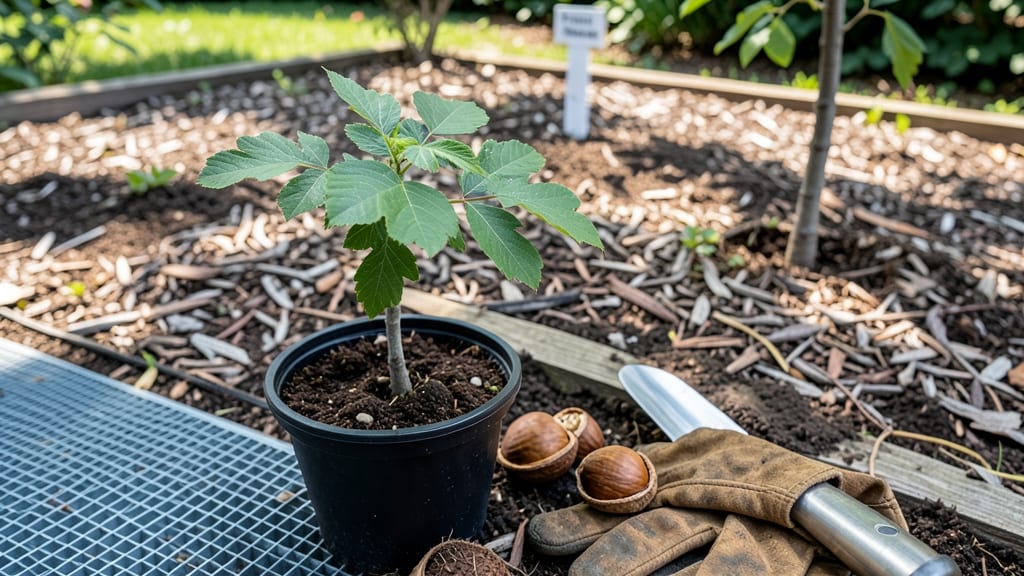
How to grow hickory trees from seed isn’t just rewarding—it’s a patience test that pays off with strong, slow-growing giants for future generations. 🌱 I’ve struggled with slow germination before, but cold-stratification cuts waiting time from years to months. The key? Mimicking nature’s timing with a simple fridge trick that tricks seeds into thinking winter’s passed.
You’ll need just four things: fresh hickory nuts (green hulls mean freshness), a damp paper towel, a plastic bag, and your fridge’s crisper drawer. Skip the fancy equipment—this works with what you already have.
The process takes 8-12 weeks, but that’s nothing compared to the decades these trees will stand in your yard.
Once sprouted, you’ll transplant tiny seedlings into pots filled with sandy loam. Keep them in bright, indirect light until they’re 6-12 inches tall before moving outdoors. The real magic happens when you bury them deep—hickory roots love space, and planting them 3-4 inches deep prevents shallow root syndrome.
This method works for both shagbark and bitternut hickories, though shagbarks grow faster. Expect 5-10 years before nuts appear, but the shade and wildlife benefits start much sooner. Let’s get those seeds sprouting!
📚 In This Guide
- What you need
- Instructions
- Tips and common mistakes
- Wrapping up and next steps
What you need
- ● Fresh hickory nuts/seeds: Collect mature, fully developed nuts from healthy hickory trees (e.g., shagbark, mockernut, or pignut). Aim for 10–20 seeds to increase your chances of success.
- ● Cold-stratification supplies: Plastic storage bag or airtight container (e.g., a Ziploc gallon bag)
- ● Moistened paper towels or vermiculite (enough to fully surround seeds)
- ● Potting soil: A well-draining mix like a 50/50 blend of peat moss or coco coir and perlite or sand (about 2–3 gallons for 5–6" pots).
- ● Seed-starting pots or trays: Biodegradable peat pots (3–4" diameter) or small plastic pots with drainage holes (1 pot per seed).
- ● Drainage tray or saucer: To catch excess water and prevent root rot.
- ● Spray bottle: For gentle watering (avoid over-saturating seeds).
- ● Grow lights or sunny windowsill: A full-spectrum LED grow light (12–16 hours/day) or a south-facing window with bright, indirect light.
- ○ Thermometer (optional but helpful): To monitor soil temperature (ideal: 65–75°F for germination).
- ● Seedling heat mat: Speeds up germination if your home stays cool (70–80°F range).
- ● Humidity dome or plastic wrap: Creates a mini greenhouse effect to retain moisture during early stages.
- ● Fertilizer (low-nitrogen): A balanced 10-10-10 or 5-5-5 fertilizer (diluted to half-strength) for young seedlings after 4–6 weeks.
- ● Pruning shears: For trimming any moldy or damaged seeds/nuts before planting.
- ● Outdoor space (for transplanting): A sunny, sheltered spot with well-draining soil (pH 6.0–7.5) for mature seedlings.
Step-by-step instructions for growing hickory trees from seed
Cold-stratification is the secret weapon for breaking dormancy—here's how to do it right.
🌱 Step 1: Harvest and Prepare the Seeds
Collect hickory nuts when they fall naturally in late fall or early winter. The husks should be fully open, revealing the brown, hard-shelled nut inside. Crack the nuts open with a nutcracker or heavy rock—hickory shells are tough, and you'll need to expose the seed itself. Remove any remaining husk fragments and discard any nuts that show signs of mold or insect damage.
Soak the clean seeds in lukewarm water for 24 hours to soften the hard outer shell slightly. This step isn't mandatory, but it can improve germination rates. After soaking, let the seeds dry completely on a paper towel before moving to cold stratification. You'll notice the shells become slightly less resistant to cracking after this process.
❄️ Step 2: Cold-Stratify for 60-90 Days
Fill a plastic bag with moistened but not soggy peat moss or sand—about 2 inches deep in the bottom of a container. Place the seeds 1 inch apart on the surface, then cover them completely with another 2 inches of moistened medium. Seal the bag tightly, leaving minimal air inside, and place it in your refrigerator's crisper drawer where temperatures stay between 35-40°F.
Check the bag every 2-3 weeks to ensure the medium remains moist but not dripping. If condensation forms on the inside of the bag, open it slightly for 10 minutes to let excess moisture escape. This stratification period mimics winter conditions, breaking the seed's dormancy. You'll know it's working when tiny root hairs begin pushing through the shell after about 60-90 days.
🌿 Step 3: Plant Stratified Seeds in Pots
Fill 6-inch diameter pots with a mix of 50% potting soil and 50% perlite for excellent drainage. Plant each stratified seed 1 inch deep in its own pot, spacing them evenly. Water gently until the soil surface feels uniformly moist but not waterlogged. Place the pots in a warm, bright location with indirect light—direct sun can overheat the soil.
Keep the soil consistently moist by watering whenever the top ½ inch feels dry to the touch. Avoid letting the soil dry out completely, as this can shock the delicate new roots. You should see the first signs of germination—tiny sprouts breaking through the soil—in about 2-4 weeks after planting. If nothing appears after 6 weeks, the seed may have failed to stratify properly.
☀️ Step 4: Transition to Outdoor Conditions
Once seedlings reach 4-6 inches tall and develop their first true leaves (not the initial seed leaves), it's time to harden them off. Move the pots outside to a sheltered spot for 2-3 hours daily, gradually increasing exposure over 10-14 days. Start with morning sun and light shade, then slowly introduce more direct sunlight. You'll notice the seedlings darken in color and grow more rigid as they adapt.
After hardening off, transplant the seedlings into the ground in early spring, spacing them 20-30 feet apart to allow for their mature size. Hickory trees grow slowly but can live for centuries, so give them plenty of room. Mulch around the base with 2-3 inches of organic mulch to retain moisture and suppress weeds, but keep it 6 inches away from the trunk to prevent rot.
Tips & tricks for perfect hickory tree germination
These pro insights will help you maximize your success with hickory seed germination—no guesswork required.
Seed Selection: Focus on collecting nuts that have fallen naturally in late fall, as these have already undergone some natural stratification. Look for fully open husks and discard any nuts showing signs of mold or insect damage—these won't germinate. I've found that slightly smaller nuts often have higher germination rates than the largest ones, as they've had more consistent growing conditions.
Cold-Stratification Timing: The 60-90 day cold stratification period is non-negotiable for hickory seeds. Place your sealed bag in the refrigerator's crisper drawer where temperatures stay consistently between 35-40°F. This mimics winter conditions that break dormancy. Real talk: if you're impatient, you can check for root hair development after 60 days, but don't remove seeds early—wait until you see clear signs of germination.
Moisture Management: Maintain that delicate balance of "moistened but not soggy" during stratification. Overly wet conditions create anaerobic environments that can kill seeds, while too dry means stratification fails. I use a spray bottle to mist the medium every 2-3 weeks, then open the bag for 10 minutes to release any condensation. This prevents both drowning and drying out—two common mistakes that waste good seeds.
Post-Stratification Care: When you do see those first root hairs after stratification, handle seeds with care. The 1-inch planting depth in your 6-inch pots creates ideal conditions for root development. Use the 50% potting soil/50% perlite mix to prevent compaction—hickory roots need good aeration. Place pots in indirect light immediately after planting; direct sun at this stage can overheat the delicate seedlings before they're ready.
Pro Tips for Grow Hickory Trees From Seed
- These pro insights will help you maximize your success with hickory seed germination—no guesswork required.
- Seed Selection: Focus on collecting nuts that have fallen naturally in late fall, as these have already undergone som...
- Cold-Stratification Timing: The 60-90 day cold stratification period is non-negotiable for hickory seeds. Place your ...
Frequently asked questions
Got questions about growing hickory trees from seed? You’re not alone! Here are some of the most common concerns—and their answers—to help you succeed.
How long does it take for hickory seeds to germinate?
Hickory seeds are slow to sprout, often taking 6–12 months (or longer) after cold stratification. Patience is key—some seeds may even wait until spring or the following year. Keep them moist and in a cool, dark place during this time. Pro tip: Check for tiny root growth before transplanting!
Can I skip cold stratification and still grow hickory trees?
Cold stratification is highly recommended—it mimics winter conditions and breaks seed dormancy. Without it, germination rates drop dramatically (sometimes to near-zero). If you’re in a hurry, try soaking seeds in water for 24 hours first, but stratification still improves success. Alternative: Plant seeds outdoors in fall for natural cold exposure!
What’s the best way to transplant seedlings?
Wait until seedlings have 2–3 sets of true leaves (not just cotyledons) and are at least 4–6 inches tall. Transplant in early spring or fall, keeping the root ball intact. Water thoroughly after planting and mulch to retain moisture. Avoid transplanting during extreme heat or cold. Warning: Hickory seedlings are delicate—handle with care!
Why aren’t my hickory seeds sprouting? Troubleshooting tips.
Common culprits include:
- Improper stratification: Ensure seeds spend 60–90 days in moist, cold conditions (34–40°F).
- Old or damaged seeds: Test viability by cutting open a few—look for a firm, white interior.
- Poor moisture or drainage: Seeds need consistent dampness but can rot in soggy soil.
- Pests or mold: Inspect for fungal growth or insect damage during stratification.
Can I grow hickory trees in containers?
Yes, but they’ll need large pots (at least 5+ gallons) and deep soil. Use a well-draining mix (like 60% soil, 30% perlite, 10% compost). Container-grown hickories may grow slower and need winter protection in cold climates. Transplant outdoors when roots fill the pot. Best for: Small spaces or urban gardens!
Wrapping up and next steps
Growing hickory trees from seed is a rewarding journey that combines patience with nature’s resilience. By mastering cold stratification and providing the right care, you’ll unlock the potential of these hardy trees—whether for shade, wildlife support, or even delicious nuts! 🌱
Start small, stay consistent, and soon you’ll watch your seedlings transform into towering giants. Next up? Mark your calendar for planting season and prepare your outdoor space—your future hickory forest awaits!