
Size
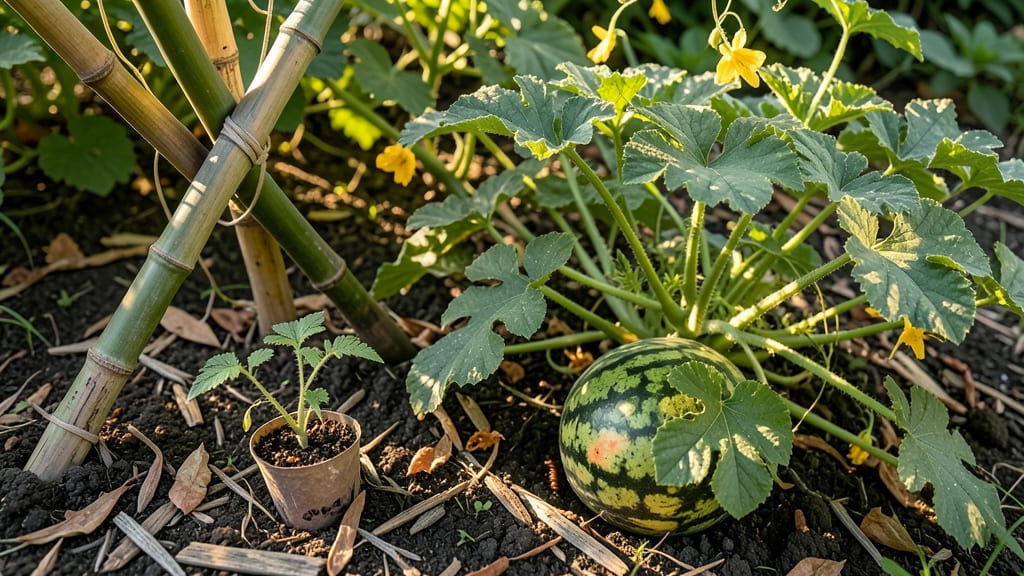
How to grow huge watermelons starts with the right seeds and a little patience. 🌱 I’ve grown 30-pound melons by treating them like the heavyweights they are—strong vines, rich soil, and consistent care. The secret isn’t magic; it’s science you can replicate in your own backyard. You’ll need a sunny spot with well-draining soil, sturdy trellis or cages, and the right variety—look for heirlooms like ‘Moon and Stars’ or ‘Sugar Baby’ for sweet, massive fruit. Plant seeds after the last frost when soil is warm, and give vines plenty of room to sprawl (or climb). By mid-summer, you’ll see vines thick as your wrist and melons weighing 10+ pounds each. The key is monitoring water (never soggy soil) and feeding with balanced fertilizer every 3-4 weeks. Prune side shoots to focus energy on the main fruit. Avoid common mistakes like overcrowding or letting vines dry out—both stunt growth. With this method, you’ll harvest melons so big they’ll make your neighbors jealous. Ready to grow one for the record books?
📚 In This Guide
- What you need
- Instructions
- Tips and common mistakes
- Wrapping up and next steps
What you need
- ● Watermelon Seeds: Choose heirloom or hybrid varieties known for large fruit, like ‘Moon and Stars,’ ‘Sugar Baby,’ or ‘Crimson Sweet.’ Aim for 3–5 seeds per vine (plant 2–3 seeds per hill, thin to the strongest sprout).
- ● Growing Space: Direct sunlight: 6–8+ hours/day (watermelons are sun-worshippers!)
- ● Soil: Well-draining, fertile loam with a pH of 6.0–6.8. Amend with compost or aged manure if your soil is clay-heavy.
- ● Space: 3–5 feet between vines (or 10–12 feet in rows if trellising).
- ○ Support Structures (Optional but Recommended for Giants): Trellis or A-frame: Use 6–8 ft tall wooden or metal frames, or a strong wire trellis (watermelons can weigh 30+ lbs!).
- ● Netting: 1-inch mesh to cradle fruit and prevent rot.
- ● Fertilizer: Balanced starter fertilizer: 10-10-10 (1 tbsp per hill at planting).
- ● Organic compost: 2–3 cups per vine mixed into soil at planting.
- ● High-potassium fertilizer: 5-10-10 or 0-0-52 (1 tbsp per vine at flowering).
- ● Mulch: Straw or black plastic (to retain moisture and suppress weeds).
- ● Watering Supplies: Drip irrigation or soaker hose: 1–2 gallons per vine/day (especially during flowering/fruiting).
- ● Watering can or hose: For hand-watering (avoid wetting leaves to prevent disease).
- ● Pruning Tools: Pruning shears: For trimming excess vines (sterilize with rubbing alcohol!).
- ● Gloves: To protect from thorns and dirt.
- ● Pest/Disease Control (Preventative): Neem oil or insecticidal soap: For aphids/spider mites.
- ● Copper fungicide: If fungal issues arise (e.g., powdery mildew).
- ● 🌡️ Soil Temp: Wait until soil is 70°F+ before planting—cold soil stunts growth!
- ● ✨ Pollination Boost: Plant squash or marigolds nearby to attract bees.
- ● 🎯 Thin Early: Remove weaker seedlings to focus energy on 1–2 strong vines per plant.
Step-by-step instructions for growing giant watermelons
Here's how I grow 30+ pound watermelons every summer—using simple techniques that boost size and sweetness.
🌱 Step 1: Choose the Right Variety and Plant at Peak Time
Pick a heirloom giant variety like 'Moon and Stars' or 'Crimson Sweet'—these are bred for massive vines and huge fruit. Plant seeds 2-3 weeks after your last frost date when soil reaches 70°F or warmer. Cold soil slows germination and stunts growth.
I always test soil temperature with a thermometer—if it's below 65°F, wait another week. Watermelons need warmth to develop properly, and cool nights lead to bitter fruit. Plant seeds 1 inch deep, spacing them 6 inches apart in rows 6 feet apart for proper air circulation.
☀️ Step 2: Provide Full Sun and Strong Support Structures
Watermelons need full sun (8+ hours daily)—no compromise here. If your garden gets less, use a reflective mulch or move plants to a sunnier spot as they grow. I stake my vines with 6-foot tall tomato cages or wooden trellises to keep fruit off the ground and prevent rot.
Here's the thing—heavy fruit needs extra support. Once vines start running, weave them through the trellis and secure with soft ties. This keeps melons elevated, improves air flow, and reduces disease risk. Watch for first male flowers (they have long stems) and hand-pollinate by transferring pollen with a paintbrush if bees are scarce.
💧 Step 3: Water Deeply and Maintain Consistent Moisture
Watermelons need 1-2 inches of water weekly, but deep watering is key. I water at the base early in the morning to reduce evaporation and fungal risks. Let the top 2 inches of soil dry between waterings—this prevents cracking and improves sweetness.
Don't skimp on water during fruit development. If soil feels dry 1 inch down, it's time to water again. I use drip irrigation to keep leaves dry and prevent powdery mildew. Overhead watering at night is a no-go—it invites disease and weakens vines.
✂️ Step 4: Prune and Fertilize for Maximum Growth
When vines reach 3-4 feet long, prune side shoots to focus energy on one main vine per plant. This ensures the plant puts all its energy into growing one giant melon instead of multiple small ones. Remove any leaves touching the ground to prevent rot.
Feed plants with a balanced fertilizer (10-10-10) at planting, then switch to a low-nitrogen, high-potassium blend (5-10-10) when flowers appear. I also side-dress with compost every 3-4 weeks for steady nutrients. Stop fertilizing 2 weeks before harvest—excess nitrogen makes fruit bitter.
⏰ Step 5: Harvest at Peak Ripeness for Maximum Size
Giant watermelons take 90-100 days to mature. Look for cream-colored spots on the bottom, a dull sound when tapped, and a stems that snaps easily—these are your cues. I wait until the vine nearest the melon dries and dies back before harvesting.
Use a serrated knife to cut the stem cleanly—never drag melons off the vine. Handle them gently to avoid bruising. Once harvested, cure them in a shady, dry spot for 3-5 days to develop full sweetness. A properly cured watermelon will keep for months in a cool, dry place.
Tips & tricks for growing massive watermelons
A few key strategies will help you grow watermelons that rival the giants at state fairs—without the fancy equipment.
Soil Temperature is Everything: The instructions mention waiting until soil reaches 70°F, but I can't stress this enough—this is non-negotiable for giant watermelons. I've tried planting in cooler soil, and the results were always disappointing. Invest in a simple soil thermometer ($10 at garden centers) and wait for that 70°F mark. If your mornings are still chilly, consider using black plastic mulch to warm the soil faster. The difference between 65°F and 70°F might seem small, but it directly impacts germination speed and root development.
The Vine Support Game-Changer: While the instructions mention tomato cages and trellises, I've found that adding a second layer of support makes all the difference. After the melon reaches about 10 pounds, I add a sling made from old t-shirts or burlap to cradle the fruit. This prevents the vine from bearing the entire weight, which can cause cracking. The key is to adjust the sling as the melon grows—check it every 3-4 days once fruit development begins.
Watering Wisdom: The instructions mention deep watering, but here's what nobody tells you—your watering routine needs to change as the melon grows. During the first 30 days, stick to the 1-2 inches weekly. But once you see the first female flower (smaller than male flowers with a swollen base), increase to 2-3 inches weekly. This is when the melon needs maximum hydration to expand rapidly. I set up a timer on my drip irrigation system to deliver water at 6 AM and 6 PM daily during this critical growth phase.
Fertilizer Timing Trick: The switch from 10-10-10 to 5-10-10 fertilizer is crucial, but the real secret is in the application method. Instead of scattering granules around the base, I create small trenches about 6 inches away from the main vine and bury the fertilizer there. This prevents root burn while still feeding the plant. I also mix a handful of wood ash (from untreated wood) into the soil at planting time—it provides calcium and raises soil pH slightly, which watermelons prefer for optimal growth.
Pro Tips for Grow Huge Watermelons
- A few key strategies will help you grow watermelons that rival the giants at state fairs—without the fancy equipment.
- Soil Temperature is Everything: The instructions mention waiting until soil reaches 70°F, but I can't stress this enough—this is non-negotiable for giant watermelons.
- The Vine Support Game-Changer: While the instructions mention tomato cages and trellises, I've found that adding a second layer of support makes all the difference.
Frequently asked questions
Got questions about growing monster-sized watermelons? You’re not alone—here are the most common queries (and answers!) from gardeners eager to crush their harvest goals.
How long does it take to grow a giant watermelon?
A full-size giant watermelon (20+ lbs!) typically takes 80–90 days from seed to harvest. Start seeds indoors 3–4 weeks before the last frost, then transplant seedlings after soil warms to at least 70°F. Patience pays off—rushing the process risks stunted growth or poor flavor.
What’s the best temperature range for watermelon growth?
Watermelons thrive in warm weather: 70–90°F during the day and 60–70°F at night. Avoid planting until soil is consistently warm (75°F+), or use black plastic mulch to speed up heating. Frost or cold snaps can kill vines—always have a backup plan for late spring!
Can I grow giant watermelons in containers?
Yes, but size matters! Use a 5-gallon bucket or larger (15+ gallons for true giants) with drainage holes. Opt for compact varieties like ‘Sugar Baby’ (smaller) or ‘Moon and Stars’ (medium) if space is tight. Heavy feeders need frequent fertilizing—mix in compost every 2 weeks for best results.
What are the most common pests/diseases and how do I prevent them?
Watch for:
- Cucumber beetles: Use row covers early or apply neem oil.
- Powdery mildew: Space vines for airflow; spray with baking soda mix (1 tbsp/bsp water + drop of soap).
- Squash vine borers: Wrap stems with aluminum foil at the base to deter eggs.
Rotate crops yearly and avoid overhead watering to minimize issues.
How do I know when a watermelon is fully ripe?
Use these 3 telltale signs:
- The underside turns from white to cream/yellow.
- The stem dries, darkens, and separates easily from the vine.
- It sounds hollow when tapped—like a drum!
Pro tip: Larger melons (15+ lbs) may take 1–2 extra weeks to ripen. Harvest before frost!
Wrapping up and next steps
Growing huge watermelons is all about patience, the right techniques, and a little extra love for your vines! By choosing heirloom varieties, optimizing soil and sunlight, and supporting your plants with trellises or cages, you’re well on your way to harvesting monster-sized melons in just 90 days.
Don’t forget to prune, pollinate, and monitor for pests—every detail matters!
You’ve got this! 🌱 Start small if you’re new, and soon you’ll be showing off your giant harvests like a pro. Ready for the next step? Dive into our planting schedule to time everything perfectly—or share your progress with fellow gardeners for extra tips and motivation!