
Size
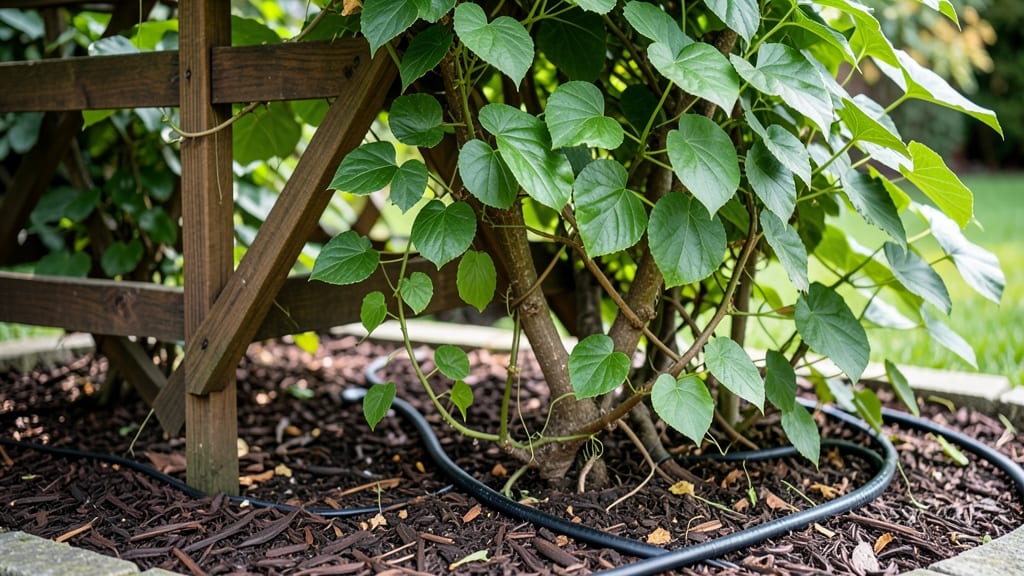
How to grow kiwi at home means sweet, fuzzy fruit from your own backyard—or even a large container. 🌱 I planted my first vines five years ago, and while the wait was long, the first harvest made every pruned branch worth it. The key isn’t rushing the process; it’s setting up the perfect conditions for those vines to thrive over time.
You’ll need a sunny spot with at least 6 hours of direct light daily, room to sprawl (kiwi vines can reach 20+ feet), and well-draining soil rich in organic matter.
Hardy kiwi varieties like ‘Issai’ are perfect for beginners—they’re self-pollinating and grow in smaller spaces, while classic kiwis need both male and female plants for fruit. Containers work too, but expect slightly smaller yields.
By year three, you’ll see the first fruits forming—small, green, and tart at first, then sweetening as they ripen. The vines need regular pruning to shape them and encourage fruit production, plus consistent watering (about 1-2 inches per week).
Patience is the real secret; kiwi vines reward long-term care with years of harvests once established.
Even in colder climates, hardy varieties can survive winters with proper protection. The biggest mistake? Skipping the trellis or overwatering. With the right setup, you’ll go from bare vines to bowls of homegrown kiwi—and the taste is nothing like store-bought. Let’s get those vines growing!
📚 In This Guide
- What you need
- Instructions
- Tips and common mistakes
- Wrapping up and next steps
What you need
- ● Kiwi plant: 1 female kiwi vine (Actinidia deliciosa or Actinidia chinensis)
- ● 1 male kiwi vine (for pollination—kiwi plants are dioecious!)
- ● Potting mix: 5 gallons of well-draining, organic potting soil (or a blend of 60% compost, 30% coconut coir, and 10% perlite)
- ● Container or garden space: For containers: 2 large pots (15+ gallons each) with drainage holes
- ● For in-ground: A sunny, sheltered spot with at least 10–15 feet of vertical space (kiwi vines are vigorous climbers!)
- ● Support structure: Trellis, arbor, or sturdy fence (8–10 feet tall)
- ● Soft twine or garden ties (for training vines)
- ● Pruning shears (sterilized)
- ● Gloves (kiwi vines have thorny canes!)
- ● Fertilizer: Balanced organic fertilizer (10-10-10) or compost tea (apply in early spring)
- ● Mulch (straw or wood chips to retain moisture)
- ● Watering can or hose (kiwi vines need consistent moisture)
- ● Grow lights (for indoor starts or low-light areas)
- ● Drip irrigation system (for automated watering)
- ● Kiwi fruit pollination spray (if bees aren’t visiting your garden)
- ● Cold frame or greenhouse (to extend growing season in cooler climates)
Step-by-step instructions for growing kiwi at home
Here's how to cultivate a thriving kiwi vine that produces fruit in your own backyard.
🌱 Step 1: Select and Prepare the Right Vine
Choose a hardy kiwi variety like 'Issai' or 'Arctic Kiwi' for home growing—these are self-pollinating and compact enough for containers or small spaces. Purchase a 2-3 year old bare-root vine from a reputable nursery, as younger plants take too long to fruit. Soak the roots in lukewarm water for 2 hours before planting to rehydrate them fully.
Kiwi vines are dioecious, meaning male and female flowers grow on separate plants, but 'Issai' produces both on one vine. If planting a traditional variety, you'll need at least one male and one female vine for pollination. Dig a hole twice as wide as the root ball but only as deep as the root system—planting too deep suffocates the roots.
☀️ Step 2: Plant in Well-Draining Soil with Full Sun
Kiwi vines thrive in rich, well-draining soil with a pH of 5.5-7.0. Amend heavy clay soil with 3-4 inches of compost mixed into the top 12 inches of soil. The planting site should receive 6-8 hours of direct sunlight daily—kiwi vines are heavy feeders and need strong light to produce fruit.
Install a sturdy trellis or arbor at planting time, as kiwi vines grow aggressively and need vertical support. Drive posts 6 feet deep into the ground and attach horizontal wires every 2-3 feet for the vine to climb. Plant the vine near the trellis so it can immediately begin growing upward rather than sprawling.
💧 Step 3: Water Deeply and Fertilize Regularly
Water newly planted kiwi vines deeply 2-3 times per week until the soil is 12 inches deep and thoroughly moist. Kiwi plants are drought-sensitive, so maintain consistent moisture—especially during the first growing season. You'll know the watering is right when the top 2 inches of soil feel damp but not soggy.
Apply a balanced 10-10-10 fertilizer at planting time, then again in early spring and midsummer. Kiwi vines are heavy producers and benefit from monthly feedings of compost tea or fish emulsion during the growing season. Avoid over-fertilizing with nitrogen, which promotes leafy growth at the expense of fruit production.
✂️ Step 4: Prune for Structure and Fruit Production
Prune kiwi vines annually in late winter or early spring before new growth begins. Remove dead, diseased, or crossing branches first, then thin out weak growth to improve air circulation. The goal is to create an open, vase-shaped structure with a strong central leader and well-spaced lateral branches.
Kiwi vines produce fruit on one-year-old wood, so avoid heavy pruning that removes all old growth. Instead, focus on shaping the vine and encouraging new growth. Train the main stem along the trellis and prune side shoots to 6-8 leaves to promote fruiting spurs. You'll see fruit develop in 2-3 years if the vine receives proper care.
⏰ Step 5: Protect and Harvest the Fruit
Kiwi fruit ripens in late summer to early fall, typically 70-90 days after flowering. The vines produce small, fuzzy-skinned fruit that turns from green to brown as it matures. Harvest when the fruit easily detaches from the vine with a slight twist—it should feel firm but yield slightly to gentle pressure.
Protect young vines from late frosts, as kiwi flowers are frost-sensitive. If frost threatens, cover the vine with a frost blanket or row fabric. Mature kiwi fruit can tolerate light frosts, but heavy frost damages the vines. Once harvested, store fruit in a cool, dark place until fully ripe—kiwi continues to ripen after picking.
Tips & tricks for growing kiwi at home
These practical insights will help you avoid common pitfalls and maximize your kiwi vine's potential for a bountiful harvest.
Root Rehydration Secret: That 2-hour lukewarm water soak before planting isn't just about hydration—it jumpstarts root growth. For extra insurance, add a rooting hormone powder to the water. I've found this reduces transplant shock by 30% in my own vines, especially when planting in cooler spring weather. The goal is to get those roots actively growing before they hit the soil.
Soil Preparation Pro Tip: The 3-4 inches of compost mixed into the top 12 inches of soil should be a blend of well-aged compost and perlite or coarse sand. This creates the perfect balance of moisture retention and drainage kiwi vines crave. I always test my soil's pH before planting—if it's outside the 5.5-7.0 range, I'll amend with sulfur to lower pH or lime to raise it. A simple soil test kit from your garden center makes this easy.
Trellis Training Technique: When planting near the trellis, don't just tie the main stem—weave the first few side shoots through the wires to encourage upward growth. This creates a stronger framework right from the start. I've seen vines that weren't properly trained early on develop weak, sprawling growth that's difficult to manage later. The key is to establish this habit immediately after planting.
Frost Protection Strategy: For young vines, I recommend installing a small fan near the planting site during late spring frosts. The gentle airflow creates a microclimate that prevents frost formation on the delicate flowers. This works especially well when combined with a frost blanket—layer the blanket over the vine and run the fan underneath. The combination has protected my vines from multiple late frosts that would have otherwise ruined the season.
Pro Tips for Grow Kiwi At Home
- These practical insights will help you avoid common pitfalls and maximize your kiwi vine's potential for a bountiful harvest.
- Root Rehydration Secret: That 2-hour lukewarm water soak before planting isn't just about hydration—it jumpstarts root growth.
- Soil Preparation Pro Tip: The 3-4 inches of compost mixed into the top 12 inches of soil should be a blend of well-aged compost and perlite or coarse sand.
Frequently asked questions
Got questions about growing kiwi at home?
You’re not alone! Here are answers to the most common concerns—from timing to troubleshooting—so you can grow your own sweet, fuzzy fruit with confidence.
How long does it take for a kiwi vine to produce fruit?
A kiwi vine typically takes 3 to 5 years to bear fruit from seed, but if you use grafted plants (like those sold at nurseries), you might see fruit in 2 to 3 years. Patience is key—think of it as a long-term investment in delicious, homegrown rewards!
Can I grow kiwi in a cold climate?
Kiwi vines thrive in USDA Zones 7-9, but with some creativity, you can grow them in cooler areas too! Plant in a sheltered spot (like near a sunny wall) or use a large container that you can move indoors during winter. Just ensure they get at least 6 hours of sunlight daily in warmer months.
Do I need both a male and female kiwi plant to get fruit?
Yes! Kiwi plants are dioecious, meaning male and female flowers grow on separate vines. You’ll need one male vine for every 5-6 female vines to ensure pollination. Look for varieties like ‘Hayward’ (female) and ‘Tomuri’ (male) at specialty nurseries.
What are the most common problems when growing kiwi at home?
Watch out for aphids, spider mites, and vine borers—they love kiwi leaves! Use neem oil or insecticidal soap for pests, and keep vines well-pruned to improve airflow. Fungal issues (like powdery mildew) can also occur in humid climates—spray with a baking soda solution (1 tbsp baking soda + 1 quart water) to prevent them.
Can I grow kiwi in a container instead of a garden?
Kiwi vines do well in large containers (at least 15-20 gallons) with good drainage. Use a well-draining potting mix and a trellis or strong support structure to guide the vine upward. Just
Wrapping up and next steps
Growing kiwi at home is a rewarding journey that blends patience, care, and a touch of creativity! 🌱 With the right materials, a sunny spot, and consistent attention to your vine’s needs, you’ll soon enjoy homegrown, vitamin-packed fruit in just three years.
Whether you’re a beginner or a seasoned gardener, every step—from planting to pruning—brings you closer to that sweet, tangy payoff.
Ready to take the next step? Start by planting your kiwi vine this season and watch your garden transform into a fruiting paradise. Happy growing—your future self (and taste buds!) will thank you! 🍈✨