
Container Gardens
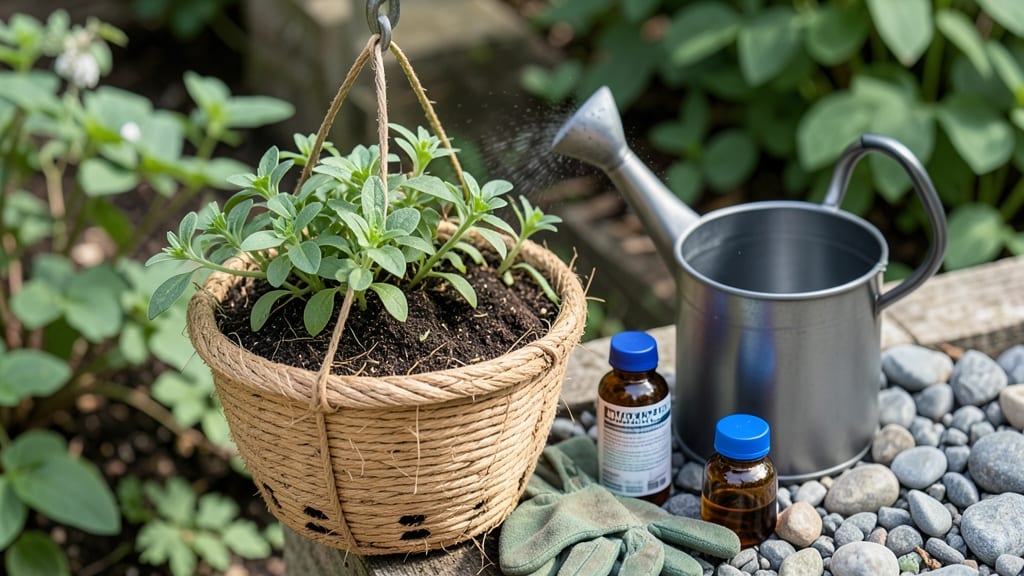
How to grow petunia hanging baskets that turn your porch or patio into a vibrant waterfall of color by late spring! 🌸 I’ve turned my balcony into a living cascade of blooms using nothing but the right baskets, soil, and a few simple tricks—no green thumb required. The secret starts with moisture-retentive soil and a well-draining liner to keep roots happy. Petunias thrive when their roots stay damp but never soggy, and the right basket size (14–18 inches wide) makes all the difference. Planting too early? You’ll end up with leggy, weak stems—wait until after your last frost for the best results. By 90 days, you’ll have a trailing waterfall of blooms that attracts pollinators and turns heads. The key is consistent watering (daily in hot weather) and a balanced fertilizer to keep those flowers coming. Even my first attempt—last summer’s basket that flopped from overwatering—taught me the right balance. Works for any climate with adjustments: in cooler zones, bring baskets indoors before frost, and in hot areas, shade them midday to prevent wilting. Let’s get those baskets blooming!
📚 In This Guide
- What you need
- Instructions
- Tips and common mistakes
- Wrapping up and next steps
What you need
- ● Hanging baskets: 1-2 baskets (10-14 inches in diameter) with sturdy handles and drainage holes. Pro tip: Choose baskets made of coconut fiber, plastic, or metal for durability.
- ● Petunia plants: 6-10 trailing petunia plants per basket (look for varieties like 'Wave' or 'Supertunia' for long, cascading blooms).
- ● Potting mix: A high-quality, well-draining container mix (avoid garden soil—it compacts and drains poorly!). Aim for a 1-2 cubic feet bag per basket.
- ● Slow-release fertilizer: A 10-10-10 or 14-14-14 blend (1-2 tablespoons per basket) to kickstart growth.
- ● Watering can or hose with a gentle spray nozzle: For even moisture distribution without disturbing roots.
- ● Scissors or pruning shears: To trim dead leaves or leggy stems for better shape.
- ○ Moss or liner (optional but helpful): Sphagnum moss or coconut coir to retain moisture and prevent soil from spilling through the basket’s holes.
- ● Hydrogel crystals: Mix into the soil to retain moisture during dry spells.
- ● Decorative accents: Miniature garden flags, solar-powered lights, or colorful pebbles for a polished look.
- ● Liquid feed fertilizer: A balanced 20-20-20 solution for mid-season boosts (apply every 2-3 weeks).
- ● Supportive stakes or rings: If your petunias need extra structure as they grow.
Step-by-step instructions for growing petunia hanging baskets
Here’s how to create vibrant, trailing petunia displays that’ll spill over edges in bold color.
🪴 Step 1: Select and Prepare Your Hanging Baskets
Choose 4 baskets with 12-16 inch diameters—larger ones hold more soil and roots, preventing early wilting. I prefer coconut fiber liners because they retain moisture while allowing roots to breathe. If using plastic, poke drainage holes in the bottom with a nail—petunias hate soggy roots.
Line each basket with the liner, then fill ¾ full with a lightweight potting mix (never garden soil—it compacts and suffocates roots). Add 1 tablespoon of slow-release fertilizer per basket and mix it into the top 2 inches of soil. This ensures steady nutrition without burning tender roots.
🌱 Step 2: Plant Petunia Starts at the Right Depth
Remove each petunia from its nursery pot and loosen the roots gently if they’re circling. Space 4-5 plants per basket, arranging them so stems trail evenly over the edges. Dig a hole twice as deep as the root ball—this encourages roots to spread downward for stability.
Place the plant in the hole, then backfill with soil, pressing lightly to eliminate air pockets. Water immediately until it drips from the bottom, then let excess drain completely. Overcrowding leads to weak stems and poor air circulation—both invite disease. Real talk: I’ve learned this the hard way with mushy stems!
☀️ Step 3: Position for Maximum Sun and Consistent Water
Petunias crave 6+ hours of direct sun daily—a south or west-facing spot delivers the best blooms. If your location gets hotter than 90°F, move baskets to partial shade (3-4 hours of morning sun) to prevent scorching. You’ll know they’re getting enough light when leaves stay deep green and stems grow sturdy, not leggy.
Water every morning until soil feels damp 2 inches down. Hanging baskets dry out faster than ground pots, so check with your finger—if the top inch feels dry, it’s time. Use a watering can with a narrow spout to direct moisture to the roots, not the leaves. Wet foliage in hot weather invites fungal problems.
💧 Step 4: Feed and Maintain for Continuous Blooms
Start liquid fertilizer 2 weeks after planting, using a balanced 10-10-10 or 20-20-20 formula diluted to half strength. Feed every 7-10 days—this keeps flowers coming nonstop. I swear by fish emulsion for a quick boost if blooms slow down. Deadhead spent flowers weekly by pinching off faded blooms with your fingers. This redirects energy to new growth.
Rotate baskets every 3-4 days so all sides get even sun exposure. Uneven light causes lopsided growth—you’ll see stems leaning toward the light if neglected. If leaves yellow, it’s usually overwatering or nutrient deficiency. Adjust your routine: let the top inch dry out slightly between waterings, and switch to a bloom-boosting fertilizer like 7-9-5.
✂️ Step 5: Prune and Refresh for Long-Lasting Beauty
When petunias get overgrown or leggy, trim back 1/3 of the longest stems to encourage bushier growth. Use clean, sharp scissors and cut just above a leaf node—this prevents ragged stems. I prune every 4-6 weeks to keep baskets full and prevent bare spots at the edges.
By mid-summer, petunias may slow down. Refresh them by removing 1-2 oldest plants and replacing them with new starts. This rejuvenates the display and extends the season. If baskets look tired by fall, replace all plants with cold-hardy varieties like surfinia petunias if your zone allows.
Tips & tricks for perfect petunia hanging baskets
These simple strategies will help your petunia baskets thrive and cascade with vibrant color all season long.
Basket Selection: Don't overlook the importance of basket material—coconut fiber liners are my go-to because they wick moisture away from roots while retaining enough water to prevent wilting. If using plastic baskets, make sure to poke drainage holes with a nail before planting. I've seen petunias suffer from root rot when baskets lack proper drainage—trust me, it's a heartbreaking sight!
Planting Depth: When planting your petunias, dig holes that are twice as deep as the root ball. This encourages roots to spread downward, creating a more stable plant. I learned this the hard way after seeing petunias topple over in windy conditions. Press the soil lightly around the roots to eliminate air pockets, which helps the plants establish faster.
Sunlight Strategy: Petunias need at least 6+ hours of direct sun daily, but if temperatures exceed 90°F, move baskets to partial shade with just 3-4 hours of morning sun. I've noticed that afternoon sun can scorch delicate petunia leaves, so morning sun is gentler. Watch for deep green leaves and sturdy stems—they're your indicators of perfect light exposure.
Watering Wisdom: The key to watering hanging baskets is consistency. Water every morning until the soil feels damp 2 inches down. Use a watering can with a narrow spout to direct water to the roots, avoiding the leaves. I've found that wet foliage in hot weather often leads to fungal issues, so precision watering makes all the difference.
Pro Tips for Grow Petunia Hanging Baskets
- These simple strategies will help your petunia baskets thrive and cascade with vibrant color all season long.
- Basket Selection: Don't overlook the importance of basket material—coconut fiber liners are my go-to because they wick moisture away from roots while retaining enough water to prevent wilting.
- Planting Depth: When planting your petunias, dig holes that are twice as deep as the root ball.
Frequently asked questions
Got questions about growing petunia hanging baskets?
You’re not alone! Here are answers to the most common concerns—so you can dive in with confidence and avoid costly mistakes.
When is the best time to plant petunias in hanging baskets?
Plant petunias after the last frost in spring (typically late April to early June, depending on your zone). For a longer bloom season, start seeds indoors 8–10 weeks before the last frost. If you’re in a warm climate, you can plant as early as February or March. Pro tip: Petunias thrive in warm soil (at least 60°F/15°C).
How long does it take for petunias to flower in hanging baskets?
With proper care, petunias will start blooming 6–8 weeks after planting (or 8–10 weeks from seed). For faster results, opt for nursery-grown plants instead of seeds. Keep baskets well-watered, fertilized, and in full sun to encourage early and continuous blooms. Pinch back leggy stems to promote bushier growth and more flowers!
Why are my petunia leaves turning yellow or brown?
Yellowing leaves often signal overwatering or root rot, while brown edges can mean underwatering or sunburn. Check soil moisture—petunias like to stay consistently moist but not soggy. If roots smell foul, repot in fresh soil. For brown tips, ensure baskets get morning sun + afternoon shade in hot climates. A balanced fertilizer (like 10-10-10) can also prevent nutrient deficiencies.
Can I reuse my hanging baskets for petunias next year?
Clean out old soil, remove debris, and disinfect baskets with a 10% bleach solution (1 part bleach to 9 parts water) to prevent disease. Refresh the liner (if using) and add new potting mix with compost. Sterilizing baskets saves money and gives your petunias a healthy start!
What’s a good alternative to petunias for hanging baskets?
If petunias don’t thrive in your climate, try trailing lobelia (for blue/purple blooms), calibrachoa (petunia-like but more heat-tolerant), or nasturtiums (edible and drought-resistant). For year-round color, ivy geraniums or fuchsias are excellent choices. Match alternatives to your sun exposure—most need at least 6 hours of light daily.
How do I keep pests like aphids or spider mites off my petunias?
Prevent pests with neem oil spray (mix 1 tbsp neem oil + 1 tsp mild soap in 1 quart water) or insecticidal soap. Check undersides of leaves weekly. For severe infestations, hose off pests with water or introduce ladybugs (natural predators). Healthy plants resist pests—fertilize regularly and avoid overcrowding!
Wrapping up and next steps
Growing petunia hanging baskets is a rewarding journey that transforms your space into a vibrant, blooming paradise in just 90 days!
With the right mix of soil, sunlight, and care, you’ll enjoy cascading trails of color that brighten up patios, balconies, or porches. 🌸 Whether you’re a beginner or a seasoned gardener, these tips make it simple—and the results are nothing short of magical.
Now that you’re armed with the know-how, it’s time to get your hands dirty! Start by gathering your supplies, then pick your favorite petunia varieties and follow the steps to create your dream hanging garden.
Before you know it, you’ll be the envy of the neighborhood with your lush, flowering masterpiece. Happy planting! 🌿✨