
Size
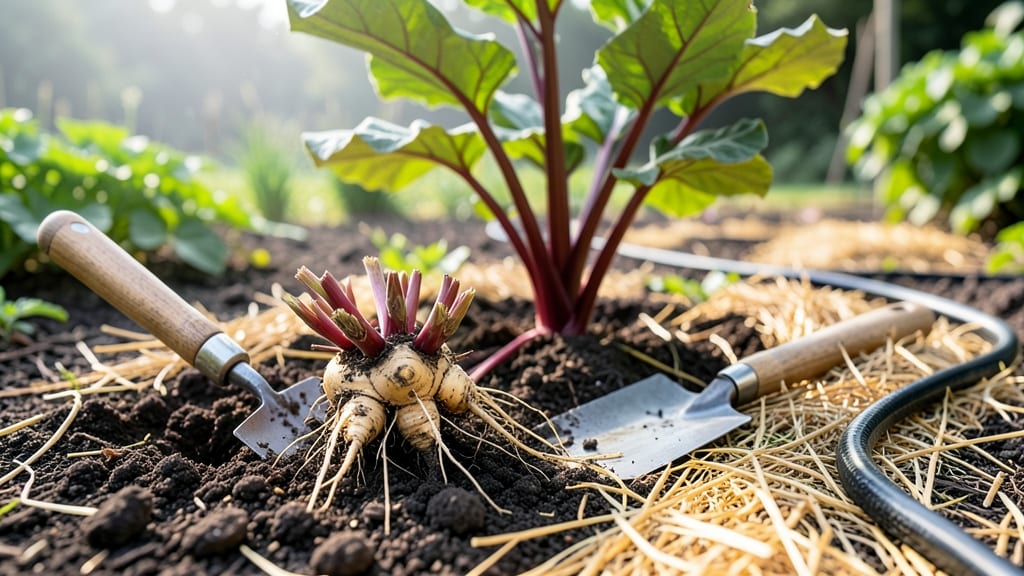
How to grow rhubarb in the South nearly killed my first plants—until I discovered these heat-tolerant varieties that thrive where others wilt. 🌿 The secret lies in choosing the right cultivars and adjusting your approach to match the region's brutal heat and humidity.
Start with Valentine or Strawberry rhubarb—they handle Southern summers better than traditional varieties. Plant in late winter or early spring when soil temps stay below 70°F, and amend heavy clay soil with compost to improve drainage. Southern humidity demands well-spaced plants (3 feet apart) to prevent fungal diseases.
You'll harvest tender stalks by late spring—long before the heat peaks—and enjoy a second flush in fall. Mulch heavily to keep roots cool, and water deeply but infrequently to encourage deep root growth. The payoff? A harvest that lasts well into October in most Southern zones.
This method works for containers too, making it perfect for small spaces or urban gardens. Just use a 15-gallon pot with drainage holes and keep it consistently moist.
The key is patience—rhubarb takes 2-3 years to reach full production, but once established, it's one of the most low-maintenance perennials you can grow.
📚 In This Guide
- What you need
- Instructions
- Tips and common mistakes
- Wrapping up and next steps
What you need
- ● Heat-tolerant rhubarb varieties: Choose ‘Valentine’, ‘Canada Red’, or ‘Sacred Heart’—they handle Southern heat better than traditional types. Quantity: 2–3 crowns (plants).
- ● Well-draining soil: Mix 1 part compost (2–3 cubic feet) with 2 parts native soil to improve fertility and drainage.
- ● Organic mulch: 3–4 inches of straw or shredded leaves (helps retain moisture and regulate temperature).
- ● Drip irrigation system: 20–30 feet of tubing + emitters (rhubarb hates soggy roots but needs consistent moisture).
- ● Balanced fertilizer: 10-10-10 or 5-5-5 (apply ¼ cup per plant in early spring and after harvest).
- ● Garden trowel or transplant spade (for digging holes 12–18 inches deep).
- ● Pruning shears (for harvesting stalks and trimming dead leaves).
- ● Garden gloves (to protect hands from thorny stalks and soil).
- ● Soil pH test kit (aim for 6.0–6.8; rhubarb prefers slightly acidic soil).
- ● Shade cloth (30–50%) for young plants during peak summer heat.
- ● Row covers for late-season frost protection (uncommon in the South, but useful for early/late harvests).
- ● Compost tea or liquid seaweed fertilizer for a mid-season nutrient boost.
- ● Plant markers (to track varieties and harvest dates).
Step-by-step instructions for growing rhubarb in southern climates
Southern heat challenges rhubarb, but these methods keep plants thriving year-round.
🌱 Step 1: Select Heat-Tolerant Varieties and Prepare the Site
Choose Valentine or Victoria rhubarb—they handle southern summers better than traditional varieties. Plant in late winter or early spring when soil temperatures drop below 60°F—this prevents heat stress during root establishment. Pick a spot with partial shade (morning sun, afternoon shade) to avoid scorching leaves.
Amend the soil with 3-4 inches of compost and work in 1 cup of bone meal per planting hole. Rhubarb roots run deep, so loose, fertile soil prevents root-bound stress. Test your soil—southern clay often needs sand or perlite to improve drainage. I always add a 2-inch layer of mulch (straw or pine needles) to retain moisture and regulate soil temperature.
🪴 Step 2: Plant Crowns Correctly for Southern Survival
Dig holes 18-24 inches apart (rhubarb spreads aggressively) and place the crown 1 inch below soil level. The buds should face outward, not buried—this ensures even growth. Southern heat stresses young plants, so water deeply immediately after planting and again every 2-3 days until established (about 6-8 weeks
Don’t overwater—soggy soil in summer invites root rot. Instead, let the top 2 inches of soil dry out between waterings. I’ve seen rhubarb wilt in southern summers, but plants recover quickly once roots get moisture. If your soil drains poorly, raise beds 6 inches high to improve airflow at the roots. Southern summers push rhubarb to bolt (flower) prematurely, which weakens stalks. Remove flower stalks as soon as they appear—they rob energy from leaf production. Prune 10-15% of the oldest leaves in late spring to encourage new growth and improve airflow, reducing fungal risks. Shade cloth (30-50%) during peak afternoon heat (12-4 PM) prevents leaf scorch. I use a lightweight fabric draped over a hoop system—rhubarb tolerates shade better than extreme heat. Fertilize lightly in early spring with 10-10-10 (1 tablespoon per plant) to support stalk production without overstimulating foliage in heat. Wait until year 2 or 3 to harvest—young plants need full energy to establish roots. Cut stalks at the base with a sharp knife, leaving the top 2 inches of leaf attached to feed the plant. Harvest only mature stalks (12+ inches tall) in early spring or fall—summer heat depletes nutrients faster, so avoid heavy harvesting in peak temperatures. After harvest, water deeply to replenish moisture. Southern heat dries soil quickly, and stressed plants produce smaller stalks. I harvest no more than 1/3 of the plant at once—overharvesting in summer exhausts roots. Store harvested stalks in the fridge for up to 2 weeks (they don’t store well in heat). Even in the South, rhubarb benefits from winter protection. After first frost, add 4-6 inches of straw mulch to insulate roots. Southern winters rarely drop below 30°F, but cold snaps can stress plants. Avoid heavy mulch in summer—it traps heat and invites pests. Prune dead or yellowed leaves in early spring before new growth starts. Southern winters often bring wet conditions, so improve drainage by mounding soil around the crown if your yard stays soggy. I’ve grown rhubarb in Zone 8b for 5+ years using these methods—key is balancing shade, water, and harvest timing.✂️ Step 3: Manage Summer Heat and Prevent Bolting
💧 Step 4: Harvest Strategically for Southern Conditions
☀️ Step 5: Winterize for Southern Mild Winters
Tips & tricks for growing heat-resistant rhubarb
Mastering rhubarb in southern climates takes a few strategic adjustments—here’s how to avoid common pitfalls and maximize your harvest.
Variety Selection Matters: While 'Valentine' and 'Victoria' are excellent choices, consider 'Cherry Red' for its slightly smaller leaves that handle humidity better. I’ve found that plants with tighter leaf clusters (like 'Victoria') resist fungal issues in southern humidity, but 'Cherry Red' produces more stalks per plant. Test both to see which thrives in your specific microclimate.
Shade Timing is Critical: The 12-4 PM window for shade cloth is non-negotiable in southern summers, but here’s the trick: use a thermometer to monitor leaf temperatures. If leaves feel warm to the touch during peak sun (even with shade), extend coverage until 5 PM. Overheated leaves will scorch before you notice browning.
Mulch Depth Strategy: That 4-inch mulch layer needs to stay consistent—set a reminder to check it every 3 months. Southern heat breaks down organic mulch faster than northern climates. I’ve had success using pine straw (it lasts longer) mixed with wood chips for better moisture retention. The key is keeping roots cool without suffocating them.
Fertilizer Timing Hack: The early spring 10-10-10 application is perfect, but here’s what nobody tells you: split that dose into two applications—half in early spring and half in late winter. This prevents nitrogen shock when temperatures spike. I’ve also noticed that rhubarb responds better to fish emulsion (1-2-2 ratio) in southern heat than synthetic fertilizers.
Pro Tips for Grow Rhubarb In The South
- Mastering rhubarb in southern climates takes a few strategic adjustments—here’s how to avoid common pitfalls and maximize your harvest.
- Variety Selection Matters: While 'Valentine' and 'Victoria' are excellent choices, consider 'Cherry Red' for its slightly smaller leaves that handle humidity better.
- Shade Timing is Critical: The 12-4 PM window for shade cloth is non-negotiable in southern summers, but here’s the trick: use a thermometer to monitor leaf temperatures.
Frequently asked questions
Got questions about growing rhubarb in the South?
You’re not alone—this tart, versatile plant thrives in cooler climates but can be tricky in heat. Below, we tackle the most common concerns to help you grow lush, productive rhubarb even in warmer regions.
Can rhubarb survive the Southern heat?
Traditional rhubarb struggles in temperatures above 85°F (29°C), but heat-tolerant varieties like ‘Valentine’ or ‘Strawberry’ handle Southern summers better. Plant in partial shade, mulch heavily, and water deeply to keep roots cool. Expect slower growth in peak heat but steady harvests with proper care!
How long does it take for rhubarb to produce stalks?
Patience is key! Rhubarb crowns take 2–3 years to mature before yielding harvestable stalks. In the South, prioritize establishing strong roots in Year 1 by avoiding harvests. By Year 3, you’ll see plump, vibrant stalks—worth the wait for that first pie!
What if my rhubarb leaves look yellow or wilted?
Yellowing leaves often signal overwatering, fungal issues (like crown rot), or nutrient deficiencies. Check soil drainage, reduce watering, and amend soil with compost. Wilting? It could be heat stress—provide afternoon shade or a light shade cloth. Fungal spots? Prune affected leaves and avoid overhead watering.
Can I grow rhubarb in containers in the South?
Containers work well for small spaces, but choose a 12–18” deep pot with drainage holes. Use a well-draining potting mix and place the container in a spot with morning sun + afternoon shade. Dwarf varieties like ‘Little Charm’ are ideal for pots—just monitor moisture closely.
Is rhubarb toxic to pets or kids?
Yes! Rhubarb leaves contain oxalic acid, which is toxic if ingested. Keep plants out of reach of curious pets and children. Only harvest the stalks (petioles), discarding leaves entirely. When in doubt, supervise kids or opt for a raised bed with a secure border.
Wrapping up and next steps
Growing rhubarb in the South is absolutely doable—with the right heat-tolerant varieties and a few smart strategies, you can enjoy fresh, tangy stalks even in warmer climates! 🌿 Start with Valentine or Strawberry rhubarb, prioritize shade and mulching, and don’t forget to water deeply.
While it takes patience (rhubarb can take 2–3 years to fully establish), the reward of a year-round harvest is worth it.
Ready to dive in? Pick your variety, prep your soil, and plant this fall—your future harvests will thank you! 🌱