
Size
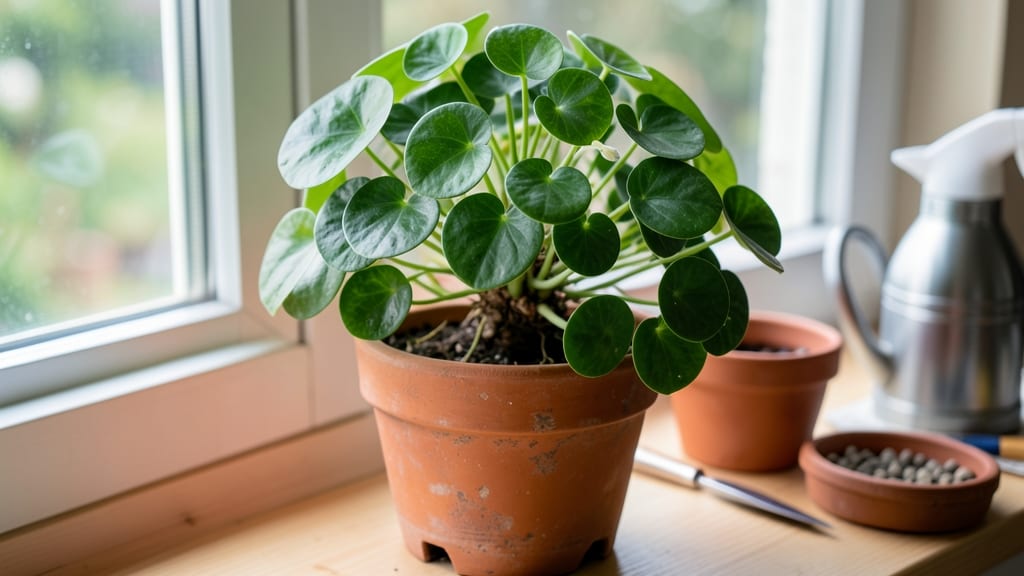
How to grow a silver dollar plant feels like cultivating a tiny rainforest in your home. 🌿 Their round, glossy leaves resemble coins—hence the name—and they thrive with just the right balance of light, water, and patience. I’ve nurtured these plants for years, and they’ve become my go-to for adding a touch of tropical elegance to any space. The key to success starts with well-draining soil and a bright spot near a window (south or west-facing is ideal). Overwatering is the biggest mistake—these plants prefer to dry out slightly between waterings. A simple pot with drainage holes and a mix of potting soil and perlite works wonders. Once established, your silver dollar plant will reward you with vibrant, velvety leaves that seem to glow in the light. They’re slow growers, so don’t rush them—think of it as a long-term investment in indoor greenery. With the right care, they can live for years, becoming a stunning centerpiece. If you notice yellowing leaves, it’s usually a sign of overwatering or poor drainage. Let the soil dry out more between waterings, and consider repotting into a slightly larger container if roots are crowded. Patience pays off—your plant will thank you with lush, healthy growth all year round.
📚 In This Guide
- What you need
- Instructions
- Tips and common mistakes
- Wrapping up and next steps
What you need
- ● Silver Dollar Plant: 1 healthy cutting or small plant (6–12 inches tall). Look for plump, glossy leaves with no yellowing or brown spots.
- ● Well-draining potting mix: 1 bag (5–10 quarts) of a high-quality, airy blend. A mix of peat moss, perlite, and vermiculite (or a pre-made "African Violet" mix) works best.
- ● Pot: 1 container with drainage holes, 4–6 inches in diameter. Terracotta or ceramic pots are ideal for airflow.
- ● Watering can or spray bottle: 1 with a fine mist setting to avoid overwatering.
- ○ Humidity tray or pebble tray: 1 (optional but helpful for maintaining moisture). Fill with pebbles and water, then place the pot on top.
- ● Grow lights (indoor only): 1–2 LED grow bulbs (6000K–6500K color temperature) if natural light is limited.
- ● Fertilizer: 1 bottle of balanced, water-soluble fertilizer (e.g., 10-10-10 or 20-20-20). Dilute to half-strength for best results.
- ● Propagating tray: 1 shallow tray with a lid (for rooting cuttings).
- ● Plant food (compost or worm castings): 1 small bag to boost soil nutrients.
- ● Plant labels: 1–2 to track watering schedules and growth progress.
Step-by-step instructions for growing silver dollar plant
Here's how to coax those stunning, glossy silver dollar leaves indoors or in shady spots.
🪴 Step 1: Select the Right Pot and Soil Mix
Choose a container with drainage holes—silver dollar plants hate soggy roots. A 6-inch pot works for one plant, but they spread slowly, so you can start smaller. I use a lightweight potting mix blended with 30% perlite to ensure good drainage and prevent compaction. The mix should feel slightly damp but never wet when squeezed.
Fill the pot about 2/3 full with your mix, then tap the container gently on the table to settle the soil. Leave about 1 inch of space at the top for watering—this prevents soil splashing onto the leaves, which can cause brown spots. The right soil mix makes all the difference for these tropical plants.
🌱 Step 2: Plant Your Silver Dollar and Water Gently
Remove the plant from its nursery pot and gently loosen the roots if they're circling. Place it in the center of your prepared container, then fill in around the sides with more soil mix. Press lightly to secure the plant, but don't pack too firmly—you want roots to spread easily. The top of the root ball should sit about ½ inch below the pot's rim.
Water thoroughly until water runs out the drainage holes, then let it drain completely. I like to use room-temperature water to avoid shocking the roots. After watering, wait until the top inch of soil feels dry before watering again—this prevents root rot, which is the biggest threat to these plants. You'll see the leaves perk up noticeably within a day or two of proper watering.
☀️ Step 3: Position for Bright, Indirect Light
Silver dollar plants thrive in bright, indirect light—think of a spot near an east-facing window where they'll get morning sun but gentle light for the rest of the day. If you notice the leaves turning pale or the plant stretching toward the light, it's getting too much direct sun. Rotate the pot a quarter turn weekly so the plant grows evenly.
In low-light conditions, you'll see slower growth and smaller leaves. If your space is dim, supplement with a grow light positioned 12-18 inches away for 12-14 hours daily. The leaves should stay a vibrant green with a glossy sheen—if they look dull, it's a sign of insufficient light. These plants are forgiving but will reward you with lush growth when conditions are just right.
💧 Step 4: Maintain Consistent Moisture and Humidity
Water when the top inch of soil feels dry to the touch—usually about once a week, but adjust based on your home's humidity and temperature. In dry air, you may need to water more frequently. Always water at the base to avoid wetting the leaves, which can lead to fungal issues. I use a spray bottle to mist the leaves occasionally, especially in winter when indoor air is dry.
These plants love humidity—aim for 50-60% humidity if possible. Place the pot on a tray filled with pebbles and water to create a humid microclimate, or group it with other houseplants. You'll know the humidity is right when the leaves stay plump and glossy. If the leaf edges turn brown, it's a sign of too much dryness or fluoride in your water—switch to filtered or distilled water if needed.
✂️ Step 5: Prune and Encourage Bushier Growth
Silver dollar plants grow slowly but can become leggy over time. Pinch back the tips of new growth when they reach about 3-4 inches to encourage bushier growth. This simple step prevents the plant from stretching too tall and looking sparse. Use clean, sharp scissors to make the cut just above a leaf node—this is where new growth will emerge.
Remove any yellow or brown leaves promptly—they can harbor pests or diseases. If the plant outgrows its pot after a few years, repot in spring using fresh soil mix. These plants are surprisingly low-maintenance once established, but a little pruning keeps them looking their best. With proper care, your silver dollar plant will reward you with years of lush, glossy foliage.
Tips & tricks for growing lush silver dollar plants
These simple strategies will help you coax the most vibrant, glossy foliage from your silver dollar plant—without the guesswork.
Pot Selection Matters: While a 6-inch pot works perfectly, upgrade to an 8-inch container once your plant outgrows its current home. The extra space gives roots room to spread, which translates to bigger, healthier leaves. I've seen silver dollar plants double in size within a year when given proper pot upgrades—just be sure to increase drainage material proportionally with the new space.
Soil Mix Upgrade: The 50-30-20 peat moss/perlite/sand mix is ideal, but for even better results, add 10% worm castings to the blend. This boosts nutrient availability without risking over-fertilization. The castings also improve soil structure, helping water drain more efficiently while retaining just enough moisture for those tropical roots.
Light Positioning: That 12-14 hour grow light recommendation is perfect for north-facing windows, but here's a pro move: Use a timer for your grow light to maintain consistency. Plants thrive on routine, and this prevents the light from accidentally running longer than needed. I also recommend moving the plant slightly closer to the light source if you notice new leaves growing smaller than the mature ones—this is your plant's way of telling you it needs more intensity.
Pruning Technique: When trimming leggy stems, make your cuts just above a leaf node at a 45-degree angle. This angled cut creates more surface area for new growth to emerge. I like to sterilize my scissors with rubbing alcohol between cuts to prevent any potential bacterial transfer that could stress the plant. After pruning, give the plant a gentle shake to help it settle into its new shape more quickly.
Pro Tips for Grow Silver Dollar Plant
- These simple strategies will help you coax the most vibrant, glossy foliage from your silver dollar plant—without the guesswork.
- Pot Selection Matters: While a 6-inch pot works perfectly, upgrade to an 8-inch container once your plant outgrows its current home.
- Soil Mix Upgrade: The 50-30-20 peat moss/perlite/sand mix is ideal, but for even better results, add 10% worm castings to the blend.
Frequently asked questions
Got questions about growing your own Pilea peperomioides—the stunning silver dollar plant? You’re not alone! Here are some of the most common queries from plant parents just like you.
How long does it take for a silver dollar plant to grow?
The growth speed depends on conditions, but expect new leaves to appear every 2–4 weeks under ideal care. With patience and proper light (bright, indirect), you’ll see noticeable growth in 3–6 months. Pilea peperomioides is slow-growing but rewarding!
Can silver dollar plants survive winter?
Yes! These plants thrive in USDA zones 10–12, but if you’re in colder climates, treat them as houseplants. Keep them indoors near a sunny window or under grow lights. Below 50°F (10°C) can stress them, so bring them inside before frost hits.
Why are my silver dollar plant’s leaves turning yellow?
Yellow leaves usually signal overwatering or poor drainage. Let the top 1–2 inches of soil dry out between waterings, and ensure your pot has drainage holes. Brown edges? That’s often dry air—mist leaves or use a pebble tray to boost humidity.
What’s the best alternative if I can’t find a silver dollar plant?
If Pilea peperomioides is hard to find, try these low-maintenance, glossy-leaved lookalikes:
- Chinese Money Plant (Pilea peperomioides ‘Variegata’) – Similar care, with white stripes.
- Swedish Ivy (Plectranthus verticillatus) – Trailing, fast-growing, and drought-tolerant.
- Heartleaf Philodendron (Philodendron hederaceum) – Hardy and great for beginners.
Are silver dollar plants toxic to pets?
Good news! The ASPCA lists Pilea peperomioides as non-toxic to cats and dogs. However, always monitor your pet—some animals may still experience mild stomach upset if they nibble. Better safe than sorry!
Wrapping up and next steps
Growing a silver dollar plant is a rewarding journey that brings a touch of elegance to your space with its stunning, glossy leaves. Whether you’re a seasoned gardener or a beginner, these tips will help you nurture a thriving plant—just
Ready to take the next step? Try propagating a cutting or sharing your new green friend with fellow plant lovers—your silver dollar plant will thank you with even more radiant growth! 🌿✨