
How To
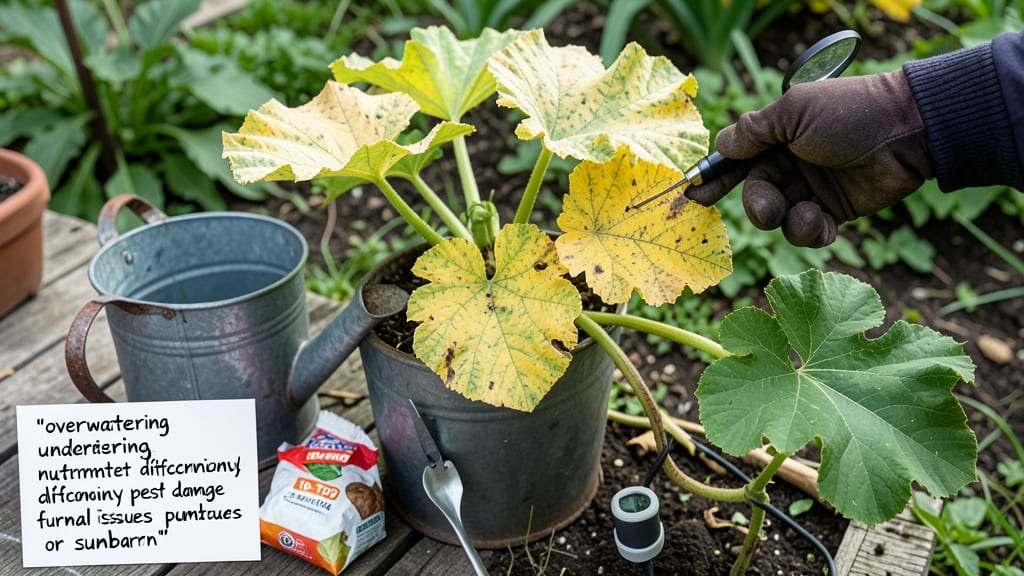
How to fix yellow pumpkin leaves—your vines are screaming for help. 🌱 I’ve seen this happen after just one wrong move—whether it’s too much water, not enough nutrients, or something sneaky like disease creeping in. The good news? Most cases fix themselves in 3 simple steps if you catch them early.
First, check the roots—rotting or dry soil is the #1 culprit. Pumpkins need consistent moisture (think damp sponge, not swamp), and their sprawling roots hate soggy conditions. If the leaves are yellow and mushy, you’ve got overwatering. If they’re dry and crispy? Underwatering. Either way, adjust your routine immediately.
Next, feed those hungry vines. Yellowing often means a nitrogen deficiency (for lush leaves) or magnesium shortage (for vibrant green). A quick fix? Mix 1 tablespoon of Epsom salt into a gallon of water and pour it at the base.
For pests or disease (like powdery mildew), isolate the plant and spray with neem oil—it’s the gardener’s Swiss Army knife.
By tomorrow, you’ll see the difference. The key is acting fast—yellow leaves spread like gossip in a garden. And if the entire vine turns yellow? That’s a sign to pull and start fresh. Trust me, your pumpkins will thank you at harvest time.
Root Causes Of Leaf Discoloration
Understanding why your pumpkin leaves turn yellow is the first step to saving your harvest. 🌱🍂 Yellowing leaves aren’t just a cosmetic issue—they’re your plant’s way of signaling distress. Let’s break down the most common culprits, backed by science, so you can diagnose the problem like a pro.
Pumpkins are heavy feeders, and when they lack essential nutrients, their leaves turn yellow as a warning sign. Here’s what’s missing—and how to spot it:
- Nitrogen Shortage (Most Common) - Symptoms: Yellowing starts on older leaves (a classic sign) while veins stay green. - Why it happens: Nitrogen is the building block of chlorophyll (the green pigment in leaves).
Without it, leaves can’t produce enough energy for growth. - Actionable fix: Test your soil—pumpkins need 0.5–1 lb of nitrogen per 100 sq ft. Use a balanced fertilizer (like 10-10-10) or organic options like composted manure or blood meal.
- Magnesium or Iron Deficiency (Chlorosis) - Symptoms: Yellowing between veins (interveinal chlorosis), often on younger leaves first. - Why it happens: - Magnesium is central to chlorophyll production.
Poor soil drainage or high pH (>7.0) locks it out. - Iron becomes unavailable in alkaline soils (pH >7.5), even if it’s present. - Actionable fix: - For magnesium: Apply Epsom salt (1 tbsp per gallon of water, sprayed on leaves). - For iron: Use chelated iron supplements or sulfur to lower soil pH gradually.
- Potassium or Calcium Deficiency - Symptoms: Yellowing with brown edges or spots, often on older leaves. Severe cases show weak stems or blossom-end rot (for fruits). - Why it happens: These minerals regulate water and nutrient transport.
Deficiencies weaken cell structure, leading to yellowing and necrosis. - Actionable fix: Add wood ash (for potassium) or crushed eggshells (for calcium). A banana peel tea (rich in potassium) can also help.
💧 Too much water isn’t just about soggy soil—it’s a recipe for root rot and nutrient starvation.
- Symptoms:
- Yellowing leaves paired with mushy stems or wilting (even when soil is wet).
- Foul-smelling soil or white mold near the base.
- Why it happens:
- Pumpkin roots rot in waterlogged conditions, cutting off nutrient and oxygen supply.
- Overwatering leaches nutrients (like nitrogen) from the soil, making them unavailable.
- Actionable fix:
- Improve drainage: Amend soil with perlite, sand, or compost to create air pockets.
- Water deeply but less often: Aim for 1–1.5 inches per week (check with your finger—top 2 inches should dry out between waterings).
- Raise beds: If your garden floods easily, grow pumpkins in raised beds or containers with drainage holes.
🔥 On the flip side, not enough water stresses pumpkins, leading to yellowing—especially in hot climates.
- Symptoms: - Crispy, yellow edges (like paper) on leaves. - Leaves curl or droop in the heat of the day. - Premature wilting even in moist soil (sign of vascular blockage from stress). - Why it happens: - Pumpkins need consistent moisture to absorb nutrients.
Drought stress disrupts chlorophyll production. - High temperatures (>90°F) increase transpiration (water loss), making roots struggle to keep up. - Actionable fix: - Mulch heavily: Use straw or black plastic to retain moisture and cool roots. - Water at the base: Avoid wetting leaves (to prevent fungal diseases) and water in the early morning or evening. - Shade cloth: In extreme heat, provide 30–50% shade during peak sun hours.
🍄 Yellow leaves can also signal pathogens hitching a ride on your pumpkin plants.
- Common Culprits:
- Powdery Mildew (white fuzzy coating + yellowing):
- Why it happens: Fungal spores thrive in humid, shaded conditions (like crowded plants).
- Alternaria Leaf Spot (yellow rings with dark centers):
- Why it happens: Spreads in wet, warm weather (ideal for spore germination).
- Bacterial Leaf Spot (water-soaked yellow/brown spots):
- Why it happens: Bacteria enter through injuries (like hail or rough handling).
- Powdery Mildew (white fuzzy coating + yellowing):
- Actionable fix:
- Prevent spread: Remove infected leaves immediately and sterilize pruners with rubbing alcohol.
- Fungicides: Use neem oil (preventative) or copper-based sprays (for active infections).
- Improve airflow: Space plants 3–5 feet apart and prune foliage to let sunlight and air circulate.
🐜 Some pests drain nutrients from leaves, causing yellowing before you even notice them.
- Top Offenders:
- Aphids, Spider Mites, or Whiteflies:
- Symptoms: Sticky residue (honeydew), speckled yellowing, or silver webbing (mites).
- Why it happens: These pests pierce leaves to suck sap, disrupting chlorophyll and nutrient flow.
- Cucumber Beetles:
- Symptoms: Holes in leaves + yellowing, often paired with wilting vines.
- Why it happens: They transmit bacterial wilt, which blocks water transport.
- Aphids, Spider Mites, or Whiteflies:
- Actionable fix:
- Blast them off: Spray plants with soapy water (1 tsp mild soap per quart of water).
- Attract predators: Plant marigolds or nasturtiums nearby to lure ladybugs and lacewings.
- Row covers: Use floating row covers early in the season to block beetles.
🌡️ Sometimes, yellowing is a normal (but frustrating) response to environmental shocks.
- Cold Snaps or Frost:
- Symptoms: Sudden yellowing after temperatures drop below 50°F at night.
- Why it happens: Pumpkins are warm-season crops—cold disrupts cell function, leading to chlorophyll breakdown.
- Fix: Protect plants with row covers or black plastic mulch to retain heat.
- Soil pH Imbalance: - Symptoms: Yellowing paired with stunted growth or poor fruit set. - Why it happens: Pumpkins prefer pH 6.0–6.8.
Outside this range, nutrient uptake fails (e.g., iron/manganese lock out in alkaline soil). - Fix: Test your soil and amend with sulfur (to lower pH) or lime (to raise pH) as needed.
- Transplant Shock:
- Symptoms: Yellowing within 1–2 weeks of moving seedlings.
- Why it happens: Roots get damaged during transplanting, slowing nutrient absorption.
- Fix: Hardening off seedlings (acclimating them to outdoor conditions) and watering deeply post-transplant helps.
Quick Fixes for Pumpkin Leaf Health
Yellowing pumpkin leaves don’t have to mean the end of your harvest—most issues are fixable with targeted care. Below, we break down the most common causes of yellow leaves and pair each with practical, step-by-step solutions to restore your pumpkins’ vitality.
Plus, we’ll share prevention tips to keep your plants thriving long-term.
Signs: Yellowing leaves with a mushy texture, wilting, or roots that smell sour.
How to Fix It:
- 🔥 Pause Watering Immediately
- Stop adding water until the soil dries out. Overwatering suffocates roots by cutting off oxygen.
- 👨🍳 Improve Soil Drainage
- Mix coarse sand or perlite (1 part to 3 parts soil) into the root zone to aerate compacted soil.
- If planting in containers, ensure pots have drainage holes and elevate them slightly.
- ⏰ Let Soil Dry Between Waterings
- Stick your finger 2 inches into the soil—if it’s damp, wait. Water only when the top layer feels dry.
💡 Prevention Tip:
- Use mulch (straw or wood chips) to regulate soil moisture and reduce evaporation.
Signs: Pale yellow leaves (especially older ones) with green veins, stunted growth, or weak stems.
How to Fix It:
- 📊 Test Your Soil
- Grab a DIY soil test kit (or send a sample to your local extension office) to check pH and nutrient levels.
- 🌡️ Apply Balanced Fertilizer
- **For nitrogen deficiency (yellow all leaves): Use a 10-10-10 fertilizer or compost tea.
- For magnesium deficiency (yellow edges with green centers): Sprinkle Epsom salt (1 tbsp per gallon of water) every 2 weeks.
- For iron deficiency (yellow new leaves): Apply chelated iron or use iron sulfate.
- 🎯 Boost Organic Matter
- Work
💡 Prevention Tip:
- Side-dress pumpkins with compost mid-season (6–8 weeks after planting) to prevent deficiencies.
Signs: Yellowing with spots, holes, or sticky residue, wilting, or fungal growth (e.g., powdery mildew).
How to Fix It:
- 🍎 Identify the Culprit
- Powdery mildew: White fuzzy patches.
- Bacterial wilt: Yellowing + sudden wilting (often from squash vine borers).
- 🔥 Treat Pests Naturally
- For squash bugs: Handpick eggs (tiny silver domes) and adults; use row covers early in the season.
- For fungal diseases: Apply baking soda spray (1 tsp baking soda + 1 quart water + a drop of soap) weekly.
- ✨ Remove Infected Plant Parts
- Prune and
💡 Prevention Tip:
- Rotate crops yearly to prevent soil-borne diseases.
- Water at the base (not overhead) to reduce fungal spores.
Signs: Yellowing + crispy edges, leaf drop, or slow growth—often in extreme heat/cold or wind.
How to Fix It:
- 🌡️ Shield from Harsh Conditions
- Cold stress: Use row covers or black plastic mulch to warm soil.
- 💧 Hydrate Deeply in Heatwaves
- Water
- 🎯 Wind Protection
- Plant pumpkins near a
💡 Prevention Tip:
- Choose heat-tolerant varieties (e.g., ‘Howden’ or ‘Cinderella’) if you live in hot climates.
Final
Frequently asked questions about yellow pumpkin leaves
Why do pumpkin leaves turn yellow first on the edges?
Edge yellowing often signals potassium deficiency or overwatering stress. Potassium helps regulate water and nutrient transport—when lacking, leaves lose their ability to retain moisture, causing crispy yellow edges. Check if your soil feels soggy; pumpkins prefer consistent moisture (not swampy conditions). For a quick fix, add wood ash (for potassium) or adjust your watering schedule to 1-1.5 inches per week.
Can I save my pumpkin plant if all the leaves are yellow?
It depends on the cause! If the entire plant is uniformly yellow (especially older leaves first), it’s likely a nitrogen deficiency—you can often revive it with compost tea or blood meal. However, if leaves are yellow and mushy with wilting stems, root rot has set in, and the plant may not recover. In this case, pull it to prevent spreading and start fresh with healthy seedlings in well-draining soil.
How do I tell if yellow leaves are from pests vs. disease?
Look for these clues: Pests (like aphids or spider mites) leave tiny holes, sticky residue (honeydew), or webbing on undersides of leaves. Diseases (like powdery mildew) show fuzzy white patches or water-soaked spots with yellow halos. For pests, use neem oil spray; for diseases, remove infected leaves immediately and apply copper fungicide. Always check the undersides of leaves first!
Will fixing yellow leaves improve my pumpkin harvest?
Healthy leaves = happy vines = bigger, sweeter pumpkins. Yellow leaves reduce the plant’s ability to photosynthesize (its food-making process), which directly impacts fruit growth. Address the root cause (nutrients, water, pests, or disease) within 5-7 days, and you’ll often see new green growth within 2 weeks. For best results, combine fixes: fertilize + adjust watering + pest control.
Can I use coffee grounds to fix yellow pumpkin leaves?
Coffee grounds can help—but only for nitrogen deficiency (not other causes). They’re acidic and add nitrogen as they decompose, but use them sparingly: mix 1 part coffee grounds with 3 parts compost and spread lightly around the base. Avoid piling them directly on leaves (they can burn tender foliage). For magnesium issues, stick with Epsom salt instead.