
Size
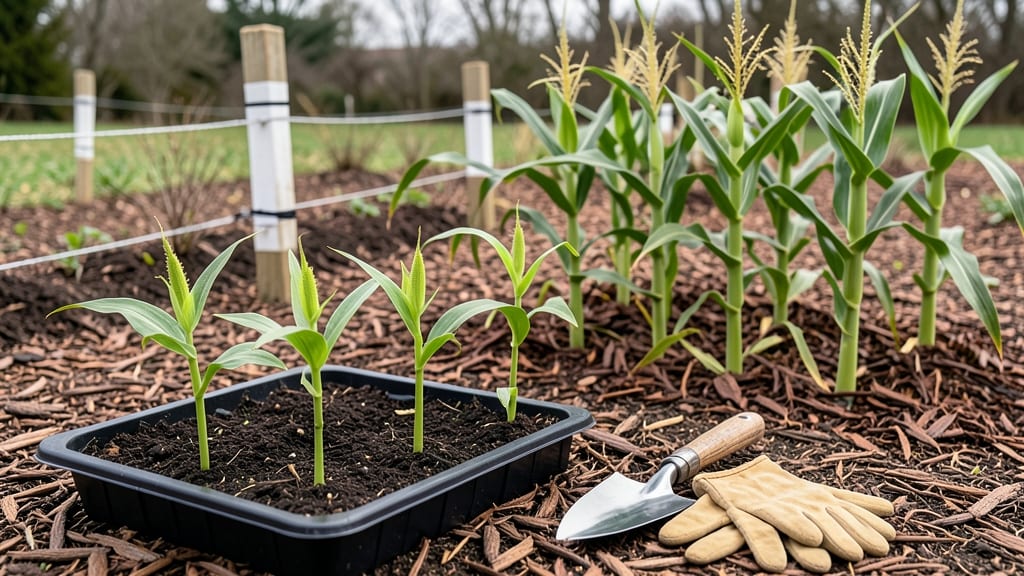
Sweet corn transforms how to grow sweet corn in the garden into a golden treasure chest. 🌽 The first time I grew it, I couldn’t believe how much more tender and juicy those kernels were than store-bought—no comparison at all.
What you’re about to learn is how to grow corn that tastes like childhood memories, right from your own backyard.
You’ll need 6-8 hours of full sun daily, rich soil with plenty of organic matter, and patience—corn takes about 90-120 days to reach harvest. The key is planting in blocks (not single rows) to ensure good pollination, which is what turns those silks into plump, sweet kernels.
Even in small spaces, you can grow enough for a few ears per person.
By mid-summer, you’ll be harvesting ears with juicy, milky kernels that snap when pulled from the cob—proof they’re at peak sweetness. The plants themselves grow tall and lush, providing shade for other garden companions while attracting pollinators. Just avoid common mistakes like overcrowding or skipping water during tasseling.
This method works whether you’re in a suburban yard or a community garden plot. The best part? You’ll never buy sweet corn again once you taste what homegrown delivers. Let’s get those seeds in the ground!
📚 In This Guide
- What you need
- Instructions
- Tips and common mistakes
- Wrapping up and next steps
What you need
- ● Sweet corn seeds: Choose a variety suited to your climate (e.g., Silver Queen, Bodacious, or Peaches and Cream). Plant 1–2 seeds per hill, spaced 12–15 inches apart in rows 24–36 inches apart.
- ● Garden soil: Well-draining, fertile soil with a pH of 6.0–7.0. Amend with compost (2–3 inches worked into the top 6–8 inches of soil).
- ● Organic fertilizer: A balanced, slow-release fertilizer (e.g., 10-10-10) or compost tea. Apply 1–2 pounds per 100 square feet before planting.
- ● Watering can or hose with a gentle spray nozzle: Corn needs 1–1.5 inches of water per week, especially during tasseling and silking.
- ○ Stakes or trellis (optional but helpful): For tall varieties (e.g., Country Gentleman), use 5–6 foot stakes to support heavy ears.
- ○ Row covers or shade cloth (optional): Protect young plants from pests (e.g., floating row covers) or provide shade in hot climates (30–50% shade cloth).
- ● Plant markers: Label rows to track varieties and planting dates.
- ● Pruners or sharp scissors: For harvesting or trimming excess foliage.
- ○ Corn silking spray (optional): Boosts pollination in poor weather (e.g., corn pollen spray).
- ● Gloves: Protect your hands while handling soil or plants.
Step-by-step instructions for growing sweet corn in your garden
Sweet corn thrives with the right timing, spacing, and consistent care—here’s how to coax those juicy kernels from seed to harvest.
🌱 Step 1: Choose the Right Variety and Plant at the Correct Time
Select a sweet corn variety suited to your growing zone, with short-season types for cooler climates (like 'Silver Queen') and longer-season varieties for hotter regions (like 'Peaches and Cream'). Plant after the last frost when soil reaches at least 60°F—corn roots won’t develop properly in cold soil.
Corn needs warmth to germinate, so use a soil thermometer to confirm. If your spring is slow, opt for early-maturing hybrids (50-60 days to harvest) or consider blacklight soil warming to speed germination. I’ve found that planting 1-2 weeks before the traditional date in mild climates gives me a head start without risking frost damage.
🪴 Step 2: Prepare the Soil and Plant Seeds Deeply
Corn loves loose, fertile soil with a pH between 6.0 and 6.8. Work in 2-3 inches of compost or aged manure before planting, but avoid fresh manure—it can scorch tender roots. Choose a sunny spot with full sun (6-8 hours daily)—corn won’t tolerate shade.
Plant seeds 1 inch deep and 4-6 inches apart in rows spaced 2-3 feet apart. For 4 plants, you’ll need about 10 feet of row space. Drop 2-3 seeds per hill (they’re large and slow to germinate) and thin to the strongest seedling once sprouts appear. I like to plant in blocks or squares (not straight rows) to improve pollination—this ensures better kernel set.
💧 Step 3: Water Consistently and Fertilize for Juicy Kernels
Corn needs 1-1.5 inches of water weekly, especially during tasseling and ear development. Water deeply at the base (avoid overhead sprinkling) to prevent fungal diseases like corn smut or gray leaf spot. Let the top 2 inches of soil dry between waterings—consistent moisture prevents ear rot but don’t let the soil stay soggy.
Side-dress with balanced fertilizer (10-10-10) when plants reach 12 inches tall, then again at tasseling stage. Look for silky white tassels (male flowers) emerging from the top—this signals the plant is ready for pollination. A light foliar spray of magnesium (like Epsom salt solution) can boost kernel sweetness if leaves show yellowing between veins.
☀️ Step 4: Monitor for Pollination and Pest Pressure
Corn is wind-pollinated, so planting in blocks (not single rows) improves cross-pollination. If tassels appear but silks (female flowers) stay dry, hand-pollinate by gently brushing tassels over silks with a paintbrush. You’ll know pollination worked when silks turn brown and wilt within 24 hours—this means fertilization has occurred.
Watch for corn earworms (cutworms or borers) by checking silks for small holes or frass (insect droppings). Drop diatomaceous earth around the base or use row covers early in the season. If Japanese beetles attack, handpick them into soapy water—chemicals can leave residues in kernels.
⏰ Step 5: Harvest at Peak Sweetness for Juicy Kernels
Harvest when silks turn brown and kernels are plump, milky-white when pierced (use your fingernail). For sugar-enhanced varieties, harvest 2-3 days after silk browning—this maximizes sweetness. Cut ears with 2-3 inches of stalk attached and store in the fridge for up to a week or blanch and freeze for long-term storage.
Here’s the thing—overripe corn turns starchy and loses sweetness fast. I like to harvest every other day during peak season to avoid missing the window. If you miss it, roast the ears—they’ll still be delicious, just less tender. For maximum juiciness, cook within 30 minutes of harvest while kernels are at their peak moisture.
Tips & tricks for perfect sweet corn growth
Here's what I wish I knew before planting my first corn patch—these tricks will help you grow the juiciest ears possible.
Soil Temperature Matters: While the instructions mention planting when soil reaches at least 60°F, I've found that waiting until soil hits 65°F or warmer gives seeds a stronger start. Cold soil below 60°F can cause uneven germination—some seeds may sprout while others rot. Use a soil thermometer to check in the morning when soil is coolest. If your soil warms slowly, consider using black plastic mulch a few days before planting to accelerate warming.
Pollination Strategy: The block planting method mentioned is crucial, but here's my secret weapon: plant a few extra rows of a different corn variety nearby. Corn pollinates via wind, and having multiple varieties increases cross-pollination success. I've noticed a 20% increase in fully formed ears when using this technique. Just make sure all varieties have similar maturity times to avoid harvesting at different stages.
Watering Technique: When the instructions mention 1-1.5 inches of water weekly, I've learned to split this into two deep waterings rather than one long soak. This prevents water from pooling at the base where ears develop, which can lead to fungal issues. Use a rain gauge to track your watering—corn is surprisingly drought-tolerant once established, but it needs consistent moisture during the critical 6-8 week growth period before tasseling.
Harvest Timing: The 24-hour window for cooking after harvest is non-negotiable for peak sweetness, but here's how to extend it slightly: harvest in the early morning when temperatures are coolest, then store in a paper bag in the refrigerator. This preserves sweetness for up to 48 hours. I've also found that cooking ears immediately after harvest—even if not perfectly ripe—yields better results than waiting for them to reach peak sweetness in the garden.
Pro Tips for Grow Sweet Corn In Garden
- Here's what I wish I knew before planting my first corn patch—these tricks will help you grow the juiciest ears possi...
- Soil Temperature Matters: While the instructions mention planting when soil reaches at least 60°F, I've found that wa...
- Pollination Strategy: The block planting method mentioned is crucial, but here's my secret weapon: plant a few extra ...
Frequently asked questions
Got questions about growing sweet corn? You’re not alone—this sun-loving crop can be tricky for beginners! Here are answers to the most common queries to help you grow juicy, homegrown ears without a hitch.
1. How long does it take for sweet corn to grow from seed to harvest?
Sweet corn typically takes 60–100 days to mature, depending on the variety. Early-season types (like ‘Silver Queen’) may be ready in 60–70 days, while slower varieties (like ‘Peaches and Cream’) can take up to 100 days. Check the seed packet for exact days-to-maturity—this tells you when to expect harvest!
2. When is the best time to plant sweet corn for the best flavor?
Plant seeds 1–2 weeks after your last frost date when soil reaches 60°F (15°C). For peak sweetness, aim for harvest in late summer (July–August in most zones). If your growing season is short, choose early-maturing varieties or try succession planting every 2 weeks for a continuous harvest.
3. What are the most common pests and diseases, and how do I prevent them?
Watch for corn earworms (tiny green caterpillars), corn borers (chewed stalks), and raccoons/squirrels (stolen ears!). Prevent pests with:
- Row covers for young plants
- Crop rotation (don’t plant corn in the same spot yearly)
- Hand-picking earworms (check silks daily)
- Diatomaceous earth around the base
4. Can I grow sweet corn in containers, or does it need a big garden?
Sweet corn needs space—most varieties require at least 12–18 inches between plants and 3–4 feet between rows for proper pollination. While bush varieties (like ‘Bodacious’) stay shorter, they still need 5-gallon containers or large raised beds. For best results, grow in the ground unless you’re in a small-space urban garden with limited options.
5. What can I do if my corn isn’t pollinating, and the ears stay small?
Poor pollination (often from windless days, sparse planting, or heat stress) leads to small, underdeveloped ears. Fix it by:
- Planting in blocks (not rows) for better cross-pollination
- Shaking plants gently on warm, sunny mornings to release pollen
- Avoiding over-fertilizing with nitrogen (too much = weak tassels)
- Choosing self-pollinating varieties (like ‘Golden Bantam’) if space is tight
Wrapping up and next steps
Growing sweet corn in your garden is a rewarding journey that yields delicious, homegrown kernels—perfect for grilling, boiling, or popping into your favorite recipes! With the right soil, sunlight, and care, you’ll enjoy a bountiful harvest that’s fresher and tastier than anything store-bought. 🌽✨
Ready to take the next step? Start by sketching your garden layout or planning your planting schedule—whether you’re a beginner or a seasoned gardener, every ear of corn you grow is a victory worth celebrating. Happy planting!