
Size
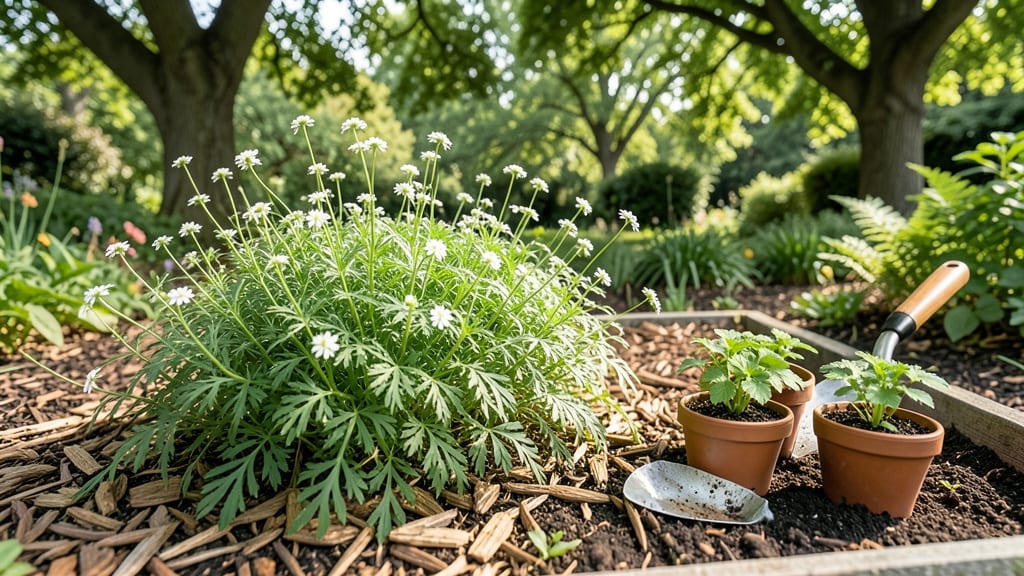
Sweet woodruff’s vanilla-scented leaves transform shady corners into fragrant havens—how to grow sweet woodruff is to mimic its woodland charm with care. 🌿 I've watched this delicate ground cover turn dull garden spots into lush, aromatic carpets—it’s the secret weapon for shade gardens that feel alive.
The key? Mimicking its natural woodland habitat with just the right balance of moisture, soil, and patience.
This shade-loving perennial spreads gently (not invasively) through runners, creating a soft, moss-like mat by midsummer. You’ll need partial to full shade, consistently moist but well-draining soil, and a spot where it can spread without competition.
The fragrance peaks in spring, but the evergreen foliage stays attractive year-round—perfect for under trees or along north-facing walls.
Maintenance is minimal once established: occasional trimming to control spread and light fertilizing in early spring. The real magic happens when you step on the leaves—they release that fresh hay/vanilla scent that lingers for hours. It’s the kind of plant that makes gardeners smile without trying.
Works beautifully in cottage gardens, woodland edges, or as a living mulch for shrubs. Just avoid planting where it might outcompete delicate perennials—this one knows how to share, but it does love space to stretch.
📚 In This Guide
- What you need
- Instructions
- Tips and common mistakes
- Wrapping up and next steps
What you need
- ● Sweet woodruff plants (Asperula odorata): 3–5 nursery-grown plants (or seeds, if starting from scratch). Look for healthy, well-established specimens with vibrant green foliage.
- ● Well-draining soil: A mix of 60% garden soil, 30% compost, and 10% perlite or coarse sand (sweet woodruff hates soggy roots!). Aim for a pH of 6.0–7.0.
- ○ Mulch (optional but recommended): 2–3 inches of shredded bark, wood chips, or straw to retain moisture and suppress weeds.
- ● Watering can or hose with a gentle spray nozzle: Sweet woodruff prefers consistent moisture but detests waterlogged soil.
- ● Pruners or shears: Sharp, clean tools for trimming back leggy growth in early spring.
- ● A garden fork for loosening compacted soil before planting.
- ● Organic fertilizer (e.g., 10-10-10 or compost tea) for a light spring boost.
- ● Garden gloves to protect your hands from prickly stems.
- ● Shade cloth (30–50%) if your garden gets partial sun and you want to mimic its natural woodland habitat.
Step-by-Step instructions for growing sweet woodruff
This shade-loving ground cover spreads effortlessly once established—here’s how to get it thriving.
🌱 Step 1: Choose the Perfect Planting Location
Sweet woodruff thrives in partial to full shade, making it ideal for under trees, along fences, or beneath shrubs where other plants struggle. I always test the spot first by observing how much direct sunlight it gets throughout the day—less than 4 hours of sun is perfect. The soil should drain well but retain moisture; if your yard has heavy clay, amend with 2-3 inches of compost before planting.
This fragrant ground cover spreads via rhizomes, so give it room to expand. For a 4-foot-wide swath, plant in a 6-foot-long trench to allow natural expansion without overcrowding. Avoid areas where water pools after rain, as soggy soil will rot the delicate roots.
🪴 Step 2: Prepare the Soil and Plant
Sweet woodruff prefers fertile, slightly acidic soil with a pH between 5.0 and 6.5. Work 2 inches of compost into the top 6 inches of soil to improve drainage and nutrient availability. If your soil is alkaline, mix in 1 cup of peat moss per square foot to lower the pH slightly.
Plant 4-6 inch bare-root divisions (or small potted plants) in early spring or fall, when temperatures are mild. Space them 6-12 inches apart in rows 12 inches apart to allow for spreading. Dig holes just deep enough to cover the roots without burying the crown—sweet woodruff hates being smothered. Water deeply right after planting to settle the soil and encourage root contact.
☀️ Step 3: Provide Consistent Moisture and Mulch
Keep the soil evenly moist but not soggy for the first 4-6 weeks after planting. Sweet woodruff has shallow roots, so 1 inch of water per week (from rain or irrigation) is ideal. I use a soaker hose set on low to avoid disturbing the plants while watering. Once established, it becomes quite drought-tolerant, but young plants need consistent moisture to root well.
Apply a 2-3 inch layer of organic mulch (like shredded leaves or pine needles) to suppress weeds and retain moisture. Mulch also protects the delicate foliage from harsh winter winds. Avoid thick mulch piles directly against the stems, as this can cause rot.
✂️ Step 4: Maintain and Control Spread
Sweet woodruff spreads aggressively, so divide clumps every 2-3 years in early spring to keep it from taking over. Simply dig up sections of the plant, separate the rhizomes, and replant them elsewhere in your garden or share with fellow gardeners. This rejuvenates the plant and prevents it from becoming too dense.
Deadhead spent flower stalks in late spring to encourage more blooms and prevent self-seeding, which can lead to unwanted volunteers popping up elsewhere. The fragrant foliage doesn’t need pruning, but if it looks leggy, you can trim it back by one-third in early spring to promote bushier growth.
🌿 Step 5: Enjoy the Fragrance and Winter Care
The best part of sweet woodruff? Its vanilla-like scent when crushed, which intensifies in early spring as new growth emerges. To maximize fragrance, avoid heavy foot traffic on the plants—just brush them gently with your hand to release the aroma. The scent is strongest in morning sunlight, so plan your garden walks accordingly.
Sweet woodruff is hardy to USDA Zone 3, meaning it survives harsh winters with minimal care. In Zone 4-5, a 2-3 inch layer of mulch over the crown in late fall protects it from freeze-thaw cycles. If your winters are particularly brutal, a light frost blanket can provide extra insulation without smothering the plant.
Tips & tricks for perfect sweet woodruff cultivation
Sweet woodruff rewards patience with its delicate fragrance and lush growth—but only if you follow these key strategies.
Soil Preparation Secret: Before planting, mix a handful of compost into the loosened soil in Step 1. This gives your sweet woodruff an immediate nutrient boost without overwhelming its delicate roots. I've found that adding compost at planting time reduces the need for later fertilization, which can actually inhibit the plant's natural spreading habit. The goal is to create a loose, airy medium that mimics the forest floor where sweet woodruff thrives naturally.
Planting Depth Visual: When covering the crown with just ½ inch of soil in Step 2, imagine the crown sitting at the soil surface like a tiny island—just enough to anchor it without burying it. Too deep and you'll suffocate the plant; too shallow and it'll dry out. I like to use a popsicle stick as a depth guide when making planting holes. The crown should sit at the same level it was in the nursery pot, with just a slight mound of soil around it.
Watering Technique: The 1-inch weekly watering guideline in Step 3 works best when delivered slowly over 15-20 minutes using a gentle rain setting on your hose. This mimics natural rainfall and prevents soil compaction. I've noticed that watering in the morning gives the plants all day to dry slightly, reducing the risk of fungal issues. Always water at the base rather than overhead to preserve the plant's delicate foliage and prevent leaf scorch.
Mulching Strategy: For the 2-3 inches of mulch in Step 3, I recommend using shredded hardwood bark rather than leaves. Bark mulch breaks down more slowly, providing longer-term moisture retention and weed suppression. Plus, it creates a more attractive, uniform look that complements the plant's delicate appearance. Apply mulch after watering to help lock in moisture and prevent evaporation.
Pro Tips for Grow Sweet Woodruff
- Sweet woodruff rewards patience with its delicate fragrance and lush growth—but only if you follow these key strategies.
- Soil Preparation Secret: Before planting, mix a handful of compost into the loosened soil in Step 1.
- Planting Depth Visual: When covering the crown with just ½ inch of soil in Step 2, imagine the crown sitting at the soil surface like a tiny island—just enough to anchor it without burying it.
Frequently asked questions
Got questions about growing sweet woodruff?
Here are answers to the most common ones to help you cultivate this fragrant ground cover like a pro!
How fast does sweet woodruff spread?
Sweet woodruff spreads moderately—about 6–12 inches per year. It’s not aggressive like mint but will gradually fill in shaded areas. For faster coverage, divide mature clumps every 2–3 years or plant in clusters. Patience pays off with its lush, fragrant carpet!
When is the best time to plant sweet woodruff?
Plant sweet woodruff in early spring or fall when soil is cool and moist. Avoid extreme heat or frost, as young plants are sensitive. If you’re dividing established plants, spring is ideal—just before new growth begins.
Does sweet woodruff need frequent watering?
While it tolerates some drought, sweet woodruff thrives with consistent moisture, especially in its first year. Water deeply 1–2 times per week during dry spells, but avoid soggy soil. Mulch lightly to retain humidity. Once established, it’s quite drought-tolerant!
What can I plant with sweet woodruff for a shade garden?
Pair it with hostas, ferns, lungwort, or astilbes for a lush, low-light garden. It also complements heucheras, bleeding hearts, and Japanese painted ferns. Avoid competitive plants like invasive ground covers—sweet woodruff prefers a peaceful, shaded neighborhood!
Are there pests or diseases I should watch for?
Sweet woodruff is pest-resistant, but watch for slugs or snails in damp conditions (use beer traps or diatomaceous earth). Fungal issues like powdery mildew can occur in poor airflow—space plants 12–18 inches apart and avoid overhead watering.
Can I grow sweet woodruff in containers?
Yes! Use a wide, shallow container with well-draining soil and partial shade. A 12–18 inch pot works well for a single plant. Keep soil moist and fertilize lightly in spring. Just be prepared to divide it every few years—it’ll outgrow small spaces!
Wrapping up and next steps
Growing sweet woodruff is a rewarding way to add a fragrant, low-maintenance ground cover to your shady garden! With the right location, soil, and care, this delicate plant will spread beautifully while filling your space with a sweet vanilla scent.
Start small, experiment with companion plants, and soon you’ll have a lush, aromatic carpet that thrives with minimal effort.
Ready to transform your garden? Plant your first batch this season and enjoy the sweet rewards—your future self (and pollinators!) will thank you. 🌿✨