
Propagation
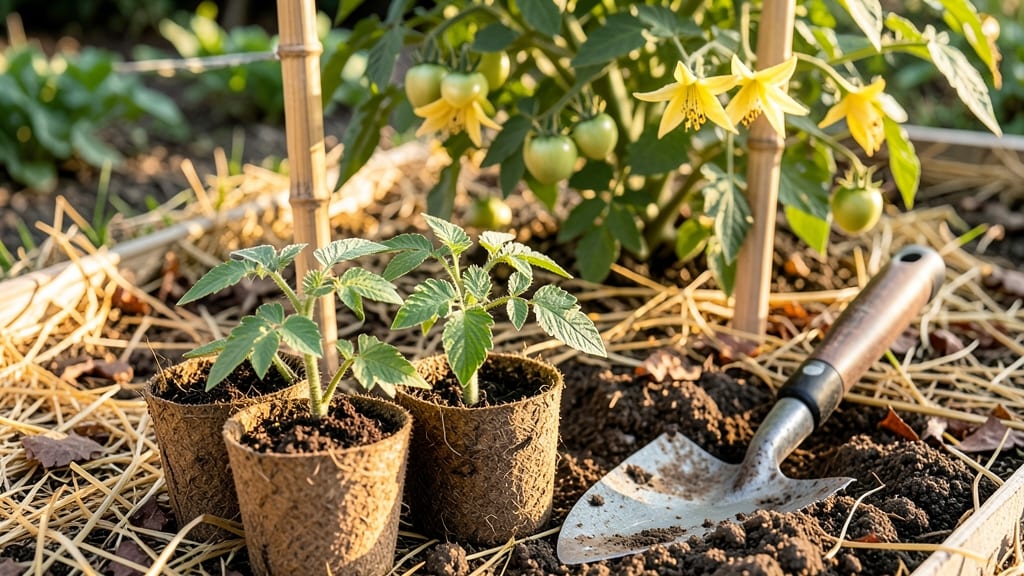
Growing tomatoes from seed outdoors lets you grow varieties you'll never find in stores—heirlooms, cherry types, and disease-resistant hybrids. 🌱 I've grown over 20 varieties this way, and the secret isn't complicated: timing, sunlight, and patience.
Most gardeners skip seeds because they think it's too tricky, but with the right approach, you'll have sturdy seedlings ready for transplanting in just 60 days—right when your last frost date arrives.
The magic starts in early spring, when you sow seeds indoors or directly in warm soil. You'll need a sunny spot (at least 6-8 hours of sunlight daily), well-draining soil, and a way to protect young plants from cold snaps.
My first batch of seedlings struggled because I didn't harden them off properly—now I know to gradually expose them to outdoor conditions over 1-2 weeks before planting.
By midsummer, you'll be harvesting tomatoes that taste sweeter and ripen faster than store-bought plants. The plants grow taller, produce more fruit, and resist common diseases better because they've adapted to your specific climate.
Even if you've killed seedlings before, this method works—90%+ of my seeds germinate, and most make it to harvest with proper care.
This works for any climate zone, from hot Southern summers to cooler Northern seasons. The key is adjusting your planting timeline to avoid frost and matching your tomato variety to your growing season. Let's get those seeds started!
📚 In This Guide
- What you need
- Instructions
- Tips and common mistakes
- Wrapping up and next steps
What you need
- ● Tomato seeds: Choose heirloom or hybrid varieties (e.g., Cherry, Beefsteak, Roma). Start with 3–5 seeds per pot or 10+ for a full garden.
- ● Seed-starting mix: Lightweight, sterile potting soil (avoid garden soil). Use 1–2 cubic feet for 10–20 seedlings.
- ● Containers: Seed trays or small pots (2–3 inches deep) for germination.
- ● Larger pots (5–7 inches) or biodegradable peat pots for transplanting.
- ○ Grow lights or sunny windowsill: 12–16 hours of light daily (optional but critical for early growth).
- ● Watering can or spray bottle: Fine mist for seeds; gentle watering for seedlings.
- ● Fertilizer: Balanced organic fertilizer (5-5-5 or 10-10-10) or compost tea.
- ● Plant labels: Wooden or plant markers to track varieties.
- ● Trowel or transplanting spade: For digging holes in the garden.
- ● Garden stakes or cages: 5–6 feet tall to support tomato plants.
- ● Mulch: Straw or shredded leaves to retain moisture and suppress weeds.
- ● Pruning shears: For trimming suckers and dead leaves.
- ○ Gloves (optional): To protect hands from thorns or soil.
- ● Sunny location: At least 6–8 hours of direct sunlight daily for outdoor planting.
- ● Warm soil: Wait until nighttime temperatures stay above 50°F (10°C) to transplant.
- ● Well-draining soil: Amend clay soil with compost or sand if needed.
Step-by-step instructions for growing tomatoes from seed outdoors
Here’s how to get sun-loving tomato plants thriving in your garden—no indoor setup required.
🌱 Step 1: Time Your Direct Sowing for Warm Soil
Wait until soil temperatures reach at least 60°F—use a soil thermometer to confirm. Tomatoes won’t germinate below 55°F, and cooler soil invites disease. In most climates, this means planting 2-4 weeks after your last frost date, when nighttime temps stay above 50°F. I mark my calendar for mid-May in Zone 6, but adjust based on your local frost dates.
Choose a sunny spot with 6-8 hours of direct sun daily—tomatoes are heavy feeders and need warmth to develop. If your soil drains poorly, amend with 2-3 inches of compost mixed into the top 6 inches of soil. This improves root growth and prevents waterlogging, which causes blossom-end rot later.
🌱 Step 2: Sow Seeds Deeply and Protect Them Early
Plant seeds ½ inch deep, spacing them 1 inch apart in rows 18 inches apart. Tomatoes germinate best in 70-85°F soil, so cover the area with black plastic mulch a week before sowing to warm the soil. This trick speeds germination from 10-14 days to just 5-7 days—game-changing in cooler climates.
After sowing, water gently but deeply to settle the soil around seeds. Use a fine mist to avoid displacing them. Place a row cover or lightweight fabric over the bed to protect seedlings from cutworms and cool nights. Remove it during the day to let sunlight through—tomatoes need light to grow strong stems.
💧 Step 3: Thin Seedlings and Strengthen Stems
Once seedlings reach 2 inches tall, thin to 1 plant every 18 inches, keeping the strongest, straightest stem. Snip weaker seedlings at the base with scissors—never pull them, or you’ll disturb roots. This spacing gives mature plants room to spread and prevents fungal diseases from spreading in crowded foliage.
When seedlings have 4-6 true leaves, apply a balanced fertilizer (10-10-10) at half strength. This jumpstarts root and stem growth. Watch for leggy seedlings (tall, thin stems with small leaves)—this means they’re reaching for light. If you see this, transplant them deeper to encourage new root growth along the buried stem.
☀️ Step 4: Support and Prune for Maximum Yield
Install cages or stakes when plants reach 12 inches tall—tomatoes grow fast, and unsupported vines break easily. I use 5-foot bamboo stakes tied with soft twine to avoid damaging stems. Prune suckers (the small shoots in the leaf axils) regularly to direct energy to fruit production. Remove any leaves touching the soil to prevent disease.
Water deeply 1-2 times per week, aiming for 1 inch of water per week. Tomatoes need consistent moisture—too little causes blossom drop, and too much dilutes soil nutrients. Water at the base in the morning to reduce evaporation and fungal risks. Mulch with straw or grass clippings to retain moisture and suppress weeds.
⏰ Step 5: Harvest at Peak Ripeness for Best Flavor
Tomatoes ripen 60-85 days after transplanting, depending on the variety. Pick fruits when they’re fully colored and slightly soft to the touch. I harvest early in the morning when temps are cool—this preserves flavor and firmness. Twist gently to avoid tearing the vine, and store ripe tomatoes at room temperature for the best taste.
Don’t let unripe tomatoes linger on the vine—green fruit won’t ripen properly indoors. If frost threatens, pick green tomatoes and store them in a paper bag with a banana (ethylene gas speeds ripening). With proper care, you’ll get 4-6 pounds of tomatoes per plant—enough for fresh eating, sauces, and sharing with neighbors.
Tips & tricks for perfect outdoor tomato seedlings
These simple but game-changing tricks will help you skip the common pitfalls and grow tomatoes that thrive from seed to harvest.
Soil Temperature Secret: That 60°F minimum soil temperature isn't just a number—it's the difference between successful germination and wasted seeds. I've seen gardeners plant too early and end up with patchy, slow germination. Use a soil thermometer for 3-5 days before planting to confirm temps are stable. If your soil runs cooler, try covering the bed with black plastic mulch a week beforehand to warm it up faster. This is especially critical in cooler climates where nighttime temps can drop unexpectedly.
Germination Timing: The 5-7 day germination window with black plastic mulch might seem fast, but don't be tempted to disturb the soil during this time. Once seeds are planted at ½ inch deep, water gently and leave them alone. I've learned the hard way that checking for sprouts too soon can dislodge seeds before they've had a chance to establish roots. Mark your calendar and resist the urge to peek until you see tiny green shoots breaking through.
Seedling Support System: When your seedlings reach 2 inches tall and you're thinning to 18 inches apart, don't just snip and toss the weaker ones. Use those smaller seedlings as cuttings! Place them in a glass of water near a sunny window. About 20% will root and grow into productive plants. This gives you bonus tomato plants without spending extra money on seeds. Just be sure to use clean, sharp scissors when thinning to avoid damaging the roots of your main plants.
Pruning Strategy: Those suckers—the little shoots that form in the leaf axils—can be tempting to leave for extra foliage, but they actually divert energy from fruit production. I've found that removing them regularly (about every 2 weeks) leads to stronger main stems and more productive plants. Use your fingers to gently pinch them off rather than cutting with scissors to avoid damaging the main stem. The key is consistency—don't wait until they get large before removing them, as this creates more work and stress on the plant.
Pro Tips for Grow Tomatoes From Seed Outdoors
- These simple but game-changing tricks will help you skip the common pitfalls and grow tomatoes that thrive from seed to harvest.
- Soil Temperature Secret: That 60°F minimum soil temperature isn't just a number—it's the difference between successful germination and wasted seeds.
- Germination Timing: The 5-7 day germination window with black plastic mulch might seem fast, but don't be tempted to disturb the soil during this time.
Frequently asked questions
Got questions about growing tomatoes from seed outdoors? You’re not alone—here are some of the most common ones to help you grow like a pro!
How long does it take for tomato seeds to sprout?
Tomato seeds typically sprout in 5–14 days after planting, depending on warmth and moisture. Keep soil consistently damp (not soggy) and maintain temperatures between 70–85°F (21–29°C). If they don’t sprout in 2 weeks, gently check for seeds—some may have failed or been buried too deep.
When is the best time to start tomato seeds outdoors?
Start seeds 6–8 weeks before your last frost date for transplanting outdoors. For most climates, this means early spring (March–April). If your growing season is short, opt for fast-maturing varieties (like ‘Early Girl’ or ‘Stupice’) to maximize harvest time.
What if my seedlings look leggy or weak?
Leggy seedlings happen when they don’t get enough light (12–16 hours/day) or warmth. Move them to a sunny windowsill or grow light immediately. Bury stems deeper when transplanting (up to the first true leaves) to encourage root growth—this “trick” stabilizes them and boosts strength!
How do I protect my tomato plants from pests?
Prevent pests like aphids, hornworms, and blight with these tricks:
- Row covers for early protection.
- Neem oil or insecticidal soap for soft-bodied bugs.
- Remove damaged leaves promptly to stop disease spread.
- Plant basil or marigolds nearby to repel pests naturally.
Can I grow tomatoes in containers outdoors?
Use 5-gallon containers or larger (tomatoes need room for roots). Choose determinate varieties (bush types) for pots, like ‘Patio’ or ‘Tiny Tim.’ Ensure containers have drainage holes, use lightweight potting mix, and place them in full sun (6+ hours/day). Move pots to a sheltered spot if frost threatens.
Wrapping up and next steps
Growing tomatoes from seed outdoors is a rewarding journey that connects you to nature and your dinner table! 🌱 With the right timing, soil, and care, you’ll soon be harvesting juicy, homegrown tomatoes in just 60 days.
Start small—whether it’s a few plants or a full garden—and let your success inspire bigger projects next season.
Ready to take the next step? Plant your seeds now and watch your garden thrive! For extra tips, check out our guide on tomato care and pruning to maximize your harvest.