
How To
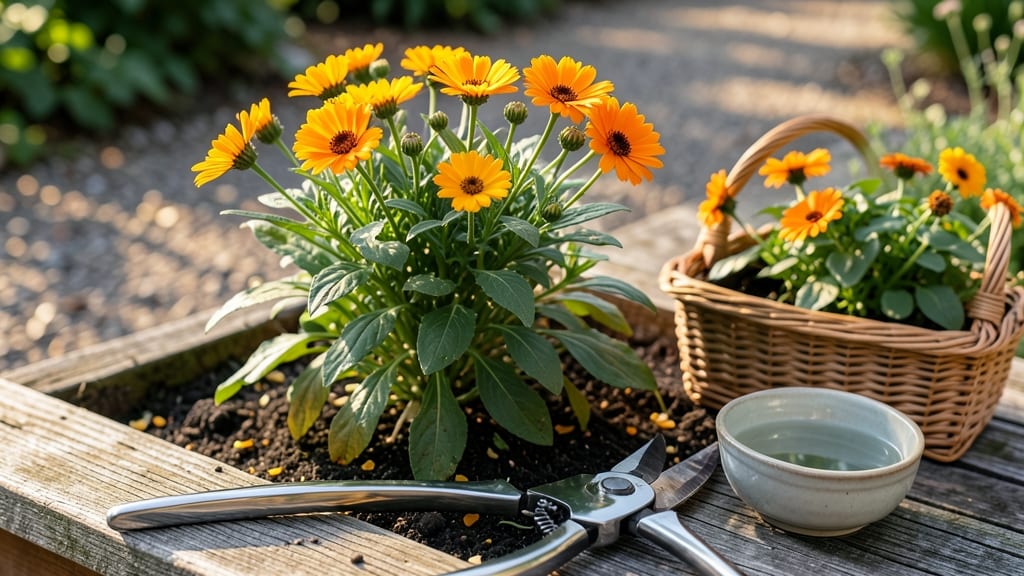
Harvesting calendula at the perfect moment transforms its bright 🌼 petals into a soothing, flavorful tea—but timing is everything. If you’ve ever wondered why some batches taste bitter or weak, it’s likely because the flowers weren’t picked at their peak.
The secret lies in harvesting when the petals are fully open yet still vibrant, just before seeds form, to lock in the best medicinal and culinary properties.
For gardeners in USDA Zone 6a, the ideal window stretches from late summer through fall, when the sun warms the soil and the plants thrive.
I’ve found that morning harvests yield the freshest petals, free from the day’s heat, and combining them with tender leaves creates a balanced, aromatic brew. Whether you’re drying them for later or steeping fresh, this is where the magic happens.
What you might not know is that the leaf-to-petal ratio dramatically changes the flavor profile of your tea. Too many leaves can make it bitter, while too few petals dilute the bright, citrusy notes.
I’ll break down the exact combinations that work best, plus drying and storage tips to keep your calendula tea potent for months.
Ready to elevate your herbal tea game? Let’s dive into the best practices for harvesting, drying, and blending calendula so every sip is as vibrant as the flowers themselves.


When and how to harvest calendula for optimal tea flavor
Harvesting calendula at the right time transforms your garden into a flavor-packed tea production line. The key lies in picking flowers when their petals are fully open but haven't started wilting.
This peak bloom stage (typically June through October) ensures maximum antioxidant content and vibrant color for your tea.
For the best results, harvest on dry, sunny mornings when the dew has evaporated but before midday heat sets in. Morning-picked calendula retains more volatile oils that give tea its signature soothing aroma. Avoid harvesting after rain to prevent mold risks in your dried petals.
You'll need to decide whether to harvest just the petals or include both petals and leaves. Petals alone create a mild, floral tea perfect for sensitive stomachs, while adding leaves adds a earthy depth that tea enthusiasts love.
I recommend starting with 70% petals/30% leaves for a balanced first brew.
🌼Pro Tip: Always use clean, sharp pruning shears and cut stems at a 45-degree angle just above a leaf node. This encourages bushier growth and prevents disease entry points.
| Harvest Stage | Key Characteristics | Best For | Tea Flavor Profile |
|---|---|---|---|
| Early Bloom | Petals just opening, pale color | Decorative use | Mild, weak |
| Full Bloom | Petals fully open, vibrant color | Tea production | Balanced, floral |
| Late Bloom | Petals wilting, seeds forming | Seed saving | Bitter, strong |
| Leaves Only | Healthy green leaves, no flowers | Robust tea blends | Earthy, strong |
Seasonal timing matters too. In USDA Zone 6a, I harvest calendula from late June through September for the best tea quality. If you're in warmer zones, you can extend harvests into early October. The first frost signals it's time to harvest any remaining flowers before they die back.
For continuous harvests, I recommend the "Bonanza Orange" variety—it produces non-stop blooms all season long. Simply pinch back spent flowers to encourage new growth. This variety's bright orange petals also dry beautifully for tea blends.
💧Watering Tip: Reduce watering by 25% two days before harvest to create slightly drier petals that hold their color better during drying. This small adjustment makes a noticeable difference in your final tea's appearance and flavor.
After harvesting, I immediately strip petals from stems by gently rubbing them between my fingers. For leaves, I harvest the younger, more tender ones from the top of the plant. These contain the highest concentration of beneficial compounds for your tea.
✂️Harvest Frequency: Never take more than 1/3 of the plant's blooms at once. This ensures your calendula keeps producing flowers throughout the season. I harvest my plants every 3-5 days during peak bloom periods for a steady tea supply.
When and how to harvest calendula for optimal tea flavor
Harvesting calendula at the perfect moment transforms your garden into a tea-making powerhouse. The best time to harvest is early morning after dew dries but before 10 AM, when oil content peaks and petals are crisp. This timing preserves flavor and medicinal properties for your herbal brew.
Focus on fully open but not wilted flowers—bright orange-yellow petals with vibrant color signal peak potency. Avoid harvesting when petals start browning or seeds form, as this reduces tea quality and increases bitterness. Seasonal timing matters too: June through September offers the best harvest window for most climates.
| Harvest Stage | Key Features | Best For |
|---|---|---|
| Early Bloom | Petals just opening, pale color | Avoid (low oil content) |
| Full Bloom | Bright color, firm stems, dew-free | Tea harvest (ideal) |
| Late Bloom | Brown edges, seeds forming | Avoid (bitter taste) |
For leaf-petal combinations, prioritize petals over leaves—they contain 3x more beneficial compounds like calendulin. However, a 20% leaf inclusion adds subtle earthy notes that balance the bright floral flavor.
Use clean, sharp scissors to snip stems just above leaf nodes, leaving lower leaves intact to sustain the plant.
After harvesting, remove stems immediately and spread petals/leaves in a single layer on a screen or mesh tray in a dark, dry place. Drying time varies by climate—3-5 days in warm conditions or 7-10 days if humidity is high.
Store dried calendula in airtight glass jars away from light to preserve aromatic oils for up to 12 months.
Pro tip: Harvest every 2-3 days during peak bloom to encourage continuous flowering. This method ensures a steady supply of fresh petals for year-round tea-making, even if you're not harvesting all at once. Just remember—consistency is key to maintaining plant health and tea quality.
🌼