
How To
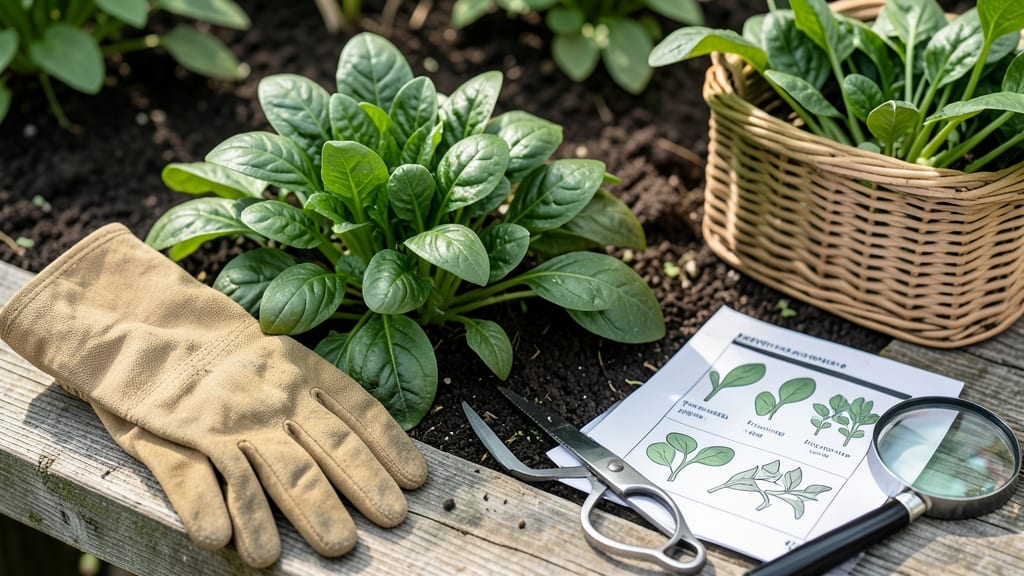
Knowing how to know when to harvest spinach can mean the difference between a crisp, tender salad and a bitter, tough pile of disappointment. Your 🍃 spinach plants are practically begging to be picked—if you know what to look for.
Most gardeners wait too long, letting leaves grow tough and flavor fade. But the secret lies in the details: leaf size, color shifts, and even the time of day. I’ll walk you through the exact visual cues that tell you it’s harvest time—so you never miss the sweet spot again.
Whether you’re growing baby spinach for quick salads or letting it mature for heartier dishes, timing matters. Learn how to spot the perfect moment before your plants bolt or turn woody, and discover how to keep harvesting for weeks longer.
Ready to turn your spinach patch into a never-ending supply of fresh greens? Let’s dive into the leaf-by-leaf guide that’ll change the way you harvest forever.


Spinach leaf color shifts: 5 key visual cues for harvest readiness
Spinach doesn’t send a text when it’s ready to harvest—it speaks through subtle color shifts and texture changes. The difference between tender baby leaves and overgrown stalks often comes down to leaf size, color intensity, and growth patterns.
Ignore these cues, and you’ll end up with bitter, fibrous leaves that scream "too late!" instead of "perfect timing."
Start by examining the outer leaves first—they mature faster than the inner ones. A deep, vibrant green (not pale or yellowing) is your first green light. But here’s the catch: spinach varieties differ.
Baby leaf types like 'Baby's Leaf Hybrid' are ready in 30–40 days, while mature types like 'Bloomsdale Long Standing' take 45–60 days. Pay attention to leaf length—that’s your best clue.
🌱 Pro Tip: Use a ruler or measuring tape to check leaf size. The ideal harvest window is when leaves reach 4–6 inches long. Anything shorter? You’re harvesting too early. Anything longer? You’ve missed the boat.
| Cue | Not Ready (Wait) | Ready to Harvest (Pick Now!) | Too Late (Avoid) |
|---|---|---|---|
| Leaf Size | Under 3 inches | 4–6 inches (baby) or 6–8 inches (mature) | Over 8 inches (tough, woody) |
| Color | Light green or yellowing | Deep, glossy green | Dull, dark green or red veins (bolting) |
| Texture | Soft, delicate (still growing) | Tender, crisp (not tough) | Tough, fibrous, or bitter |
| Growth Pattern | Compact rosette (still filling out) | Loose, sprawling leaves | Tall stems with flower buds (bolting) |
| Temperature Cue | Below 50°F (growth slows) | 50–75°F (ideal harvest temps) | Above 80°F (bolting risk) |
Pay close attention to the leaf edges. Ready-to-harvest spinach has smooth, slightly wavy edges, not jagged or curled. Curled or puckered leaves often signal heat stress or drought, which can make them bitter.
If your spinach is growing in hot, dry weather, harvest earlier than usual to avoid these issues.
🌿 Watch for Bolting: Spinach bolts when it senses long daylight hours or heat stress. You’ll spot it when the plant sends up a tall, flower stalk (usually yellow or white).
At this point, the leaves become tough and bitter. If you see this, harvest immediately—even if the leaves aren’t perfect—to salvage what you can.
Another critical visual cue is the leaf base. Healthy, ready-to-harvest spinach has a thick, white stem at the base of each leaf. If the stem looks thin or hollow, the leaf is past its prime.
This is especially true for mature varieties, which develop thicker stems as they age.
✂️ Harvesting Hack: For continuous harvests, use the "cut-and-come-again" method. Snip the outer leaves (about 1–2 inches from the base), leaving the inner rosette intact. This encourages regrowth for 3–4 weeks longer. Just avoid cutting more than 1/3 of the plant at once—this stresses the roots.
Finally, time of day matters. Harvest spinach in the morning after dew dries (around 8–10 AM). This ensures the leaves are crisp and hydrated, not wilted from afternoon heat. If you harvest in the evening
Spinach leaf color shifts: 5 key visual cues for harvest readiness
Spinach leaves transform dramatically as they mature, and those color shifts are your best clue for timing harvests. Young leaves start bright green and gradually deepen to a rich, glossy hue—a sign they’re packed with nutrients.
Pay attention to the vein patterns too; healthy spinach has crisp, vibrant veins that contrast sharply with leaf edges.
Watch for yellowing edges or pale centers, which signal the plant is stressed or overripe. These changes often appear when spinach is left too long in the soil, especially under hot summer sun.
The key is to harvest when leaves reach 4–6 inches long but before they develop a tough, fibrous texture.
| Stage | Leaf Size | Color | Texture | Harvest Action |
|---|---|---|---|---|
| Baby Leaf | Under 3" | Bright green | Tender, soft | Wait 1–2 weeks |
| Optimal | 4–6" | Deep green | Crisp, tender | Harvest now! |
| Overripe | 6"+ | Yellowing edges | Tough, bitter | Trim and compost |
The deepest green appears when spinach is nutrient-rich and ready to eat. Look for a slightly waxy sheen on leaves, which indicates proper hydration and maturity.
If you notice bolting (flower stalks shooting up), it’s a late sign your spinach has gone past its prime—harvest immediately or remove the plant to prevent seed spread.
For continuous harvests, focus on outer leaves first. This cut-and-come-again method lets the center regrow, giving you weeks of fresh spinach. Avoid pulling entire plants unless they’re fully mature, as this stresses the roots and shortens the harvest window.
Temperature plays a role too: Cooler weather (below 75°F) keeps spinach tender longer, while heat waves accelerate bitterness. If your garden is hot, harvest in the morning when leaves are coolest and most flavorful.
Remember, harvesting frequency depends on your goals. For baby spinach, you can pick every 7–10 days; for mature leaves, space harvests 2–3 weeks apart. The key is balance—keep plants healthy but don’t let them overcrowd or bolt.