
How To
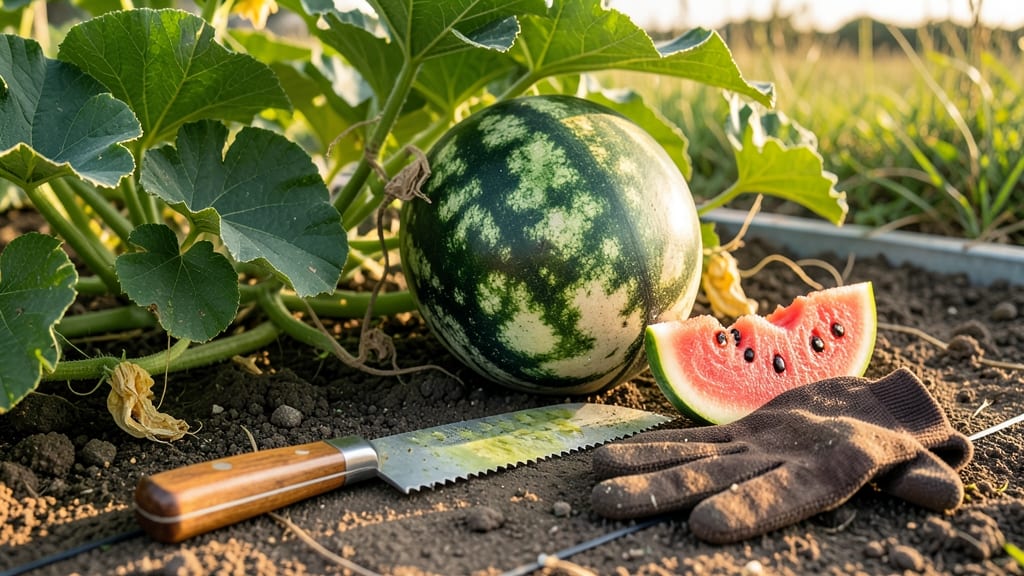
3 Visual and physical signs your watermelon is perfectly ripe
Nothing beats the satisfaction of harvesting a watermelon at peak ripeness—juicy, sweet, and bursting with flavor. But how do you know when that moment arrives? The answer lies in three field-tested signs that combine visual cues and simple physical tests.
I’ve relied on these same indicators for years in my garden, and they’ve never failed me.
First, let’s talk about the ground spot, a hidden clue that tells you everything about ripeness. This is the pale area where the watermelon rested against the soil. When it changes from white to cream or yellowish, that’s your first green light.
It’s like nature’s way of saying, “This one’s ready!” Don’t overlook this detail—it’s one of the most reliable ripeness indicators.
Ground Spot Color
Look for a cream or yellowish spot where the fruit touched the ground. This indicates full ripeness.
Rind Texture and Color
Press your thumbnail into the rind. If it doesn’t leave a mark, the skin is tough enough. Also, check for a dull, matte finish instead of a shiny look.
The Thump Test
Tap the watermelon with your knuckles. A deep, hollow sound means it’s ripe. A dull thud suggests it’s still firming up.
The second sign to watch is the rind’s texture and color. A ripe watermelon’s skin transitions from dull to slightly shiny and becomes tough to the touch. Try pressing your thumbnail into the rind—if it doesn’t dent easily, that’s a good sign.
I also look for curl patterns on the tendrils near the stem. When these curl inward and dry out, it’s another clear signal that the fruit is ready for harvest.
Finally, don’t underestimate the power of the thump test. Give the watermelon a firm tap with your knuckles—it should sound hollow, like knocking on a wooden door. This indicates the seeds have fully developed and the flesh is juicy.
If it sounds dull, give it a few more days. Pro tip: Perform this test in the morning when the fruit is coolest for the most accurate results.
For an extra layer of confidence, I always check the stem’s condition. When the stem near the fruit starts to dry out and darken, it’s a final confirmation that the watermelon is ready.
Some gardeners even wait until the stem dries completely and falls off naturally, though I prefer harvesting just before that moment to avoid overripeness.
But what if you’re unsure? Here’s a bonus trick: lift the watermelon. A ripe watermelon feels heavy for its size because it’s packed with water and sugar.
If it feels light, it’s not ready yet. This simple test has saved me from harvesting premature fruit more times than I can count.
Remember, these signs work best when combined. One clue alone isn’t enough—you’ll want to see at least two or three of them before harvesting. And if you’re growing multiple varieties, like seedless watermelons or heirloom types, pay extra attention to their specific ripening traits.
Some varieties may have slightly different cues, so always check seed packets or local gardening guides for variety-specific advice.
Once you’ve confirmed ripeness, harvest on a dry morning using a sharp knife or pruners to avoid damaging the vine. Cut the stem about an inch above the fruit to leave a clean surface for storage.
Store your freshly harvested watermelon in a cool, dry place (around 50-55°F) to preserve its sweetness for weeks.
Now that you’ve mastered these three signs, you’ll never second-guess when to harvest again. There’s nothing like biting into a perfectly ripe watermelon straight from your garden—sweet, juicy, and bursting with summer flavor. Happy harvesting! 🍉
The science behind watermelon ripeness: what the experts check
Watermelon ripeness isn’t just about guessing—it’s a mix of visual cues, physical tests, and even vine behavior. Experts rely on these science-backed methods to predict sweetness without cutting the fruit. The key? Understanding how watermelons develop internally while showing external signs of readiness.
One of the most reliable indicators is the ground spot, the pale area where the fruit rests on the soil. When ripe, this spot turns from white to a creamy yellow.
This change signals the fruit’s sugars have fully developed. Pair this with a thumping test—a hollow, rattling sound means the seeds are mature and the flesh is juicy.
⚠️ Common Ripeness Myths Debunked
- Myth: "The bigger the watermelon, the sweeter it is." Truth: Size doesn’t guarantee ripeness—always check the ground spot and rind texture.
- Myth: "Watermelons ripen after picking." Truth: Unlike tomatoes, watermelons do not ripen further once harvested. Pick at peak ripeness!
- Myth: "A dark green rind means it’s ripe." Truth: Ripe watermelons develop a dull, matte finish, not glossy green.
The stem drying trick is another expert hack. When the stem near the fruit turns brown and dries out, it’s a clear sign the watermelon is ready. This happens because the vine stops supplying nutrients, signaling the fruit is fully developed.
For heirloom varieties, this method is especially reliable since their rinds often stay green longer.
Don’t overlook the curl patterns on the fruit’s blossom end. A crisp, curled tendril indicates the watermelon is nearing peak ripeness. Combine this with the weight test: a ripe watermelon feels heavy for its size due to high water content. If it feels light, it’s underripe.
For container-grown watermelons, these cues still apply, but monitor the vine’s growth rate. Smaller varieties (like 'Sugar Baby') may ripen faster—check for readiness 10-14 days earlier than standard types. Always harvest in the morning when sugars are at their peak.
Pro tip: If you’re unsure, cut one open to test sweetness, then use those insights to refine your future harvests. The more you practice these expert techniques, the easier it becomes to predict ripeness without guesswork.