
How To
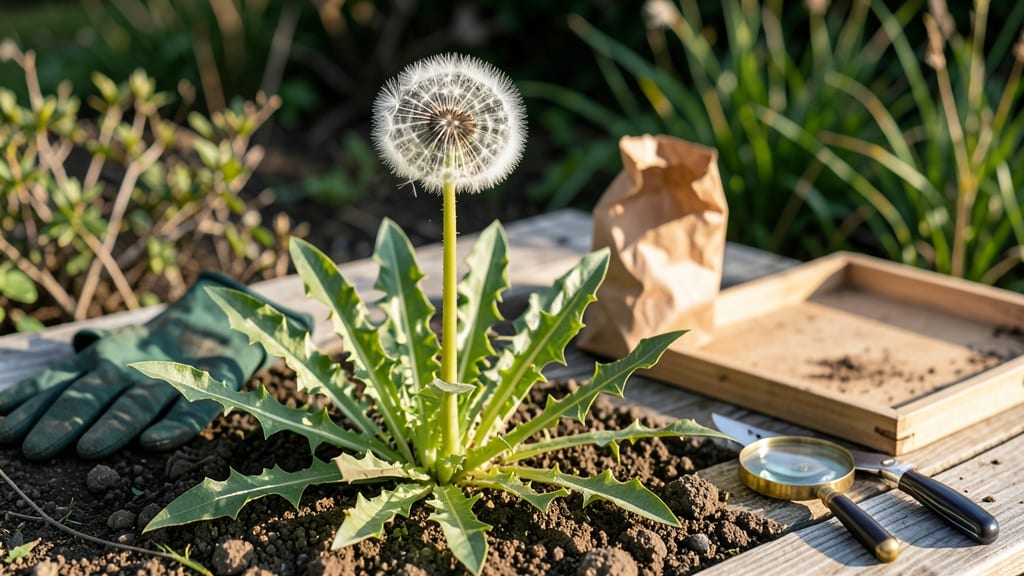
Harvesting dandelion seeds at the right time can transform your backyard into a pollinator paradise or a stash of natural remedies—if you know the key secrets. These resilient 🌼 flowers aren’t just pesky weeds; their seeds are packed with potential for gardening, crafts, and even medicinal uses.
The challenge? Timing matters more than you’d think. Harvest too early, and you’ll end up with damp, unusable fluff. Wait too long, and the wind will scatter your bounty before you can collect it.
In USDA Zone 6a, late spring to early summer—May through June—is your golden window when dandelion seed heads mature just right.
But how do you tell when they’re ready? And what’s the easiest way to collect them without losing half to the breeze?
I’ll walk you through the exact signs to look for, the best tools to use, and step-by-step methods to maximize your yield—whether you’re saving seeds for next year’s garden or crafting dream catchers.
Let’s turn those 🌼 puffballs into a resource instead of a nuisance, starting with the first critical step: knowing when to harvest.


The best time to harvest dandelion seeds for maximum yield
Timing is everything when harvesting dandelion seeds. The seed heads must be fully mature but still intact to avoid losing precious seeds to the wind. I’ve learned that harvesting too early means underdeveloped seeds, while waiting too long risks scattering them before you can collect them.
The ideal window is when the puffballs turn a deep, dry brown and feel light when shaken.
For most regions in the U.S. (USDA Zones 5-9), this typically falls between late May and early June. However, in warmer southern climates, like Texas or Florida, you might start seeing ripe seed heads as early as April.
Conversely, in colder northern states, like Minnesota or Maine, wait until late June or July when the weather stabilizes.
Morning is the best time to harvest because the dew keeps the seed heads moist, making them less likely to release seeds prematurely. Avoid harvesting on windy days—those fluffy seeds will scatter faster than you can collect them!
I always check the forecast for calm conditions to ensure a successful harvest.
Look for these 3 key signs that dandelion seeds are ready:
- Brown and dry seed heads (no green left)
- Tight, fluffy puffballs that don’t disperse easily
- Seeds rattle loudly when you shake the head gently
Regional variations matter! In cooler climates, dandelions may produce seeds later in the season due to slower growth. Meanwhile, in arid regions, like the Southwest, the dry heat can speed up maturation.
I’ve found that dandelions in well-drained soil with full sun mature faster, so adjust your timing based on your local conditions.
Pro tip: If you’re harvesting for pollinators, like bees and butterflies, leave some seed heads intact until they fully disperse. But if you’re saving seeds for gardening or crafts, act quickly once the puffballs turn brown!
🌼 Dandelion Seed Harvest Timeline
| Stage | Action | Best Time |
|---|---|---|
| Seed Head Formation | Monitor for green buds turning yellow | April - May |
| Maturation | Wait for heads to turn fully brown | Late May - Early June |
| Peak Harvest | Collect when puffballs are dry and fluffy | Early June - July |
| Seed Dispersal | Seeds release if left unharvested | Late June - August |
💡 Note: Adjust timing based on your local climate—warmer areas may harvest earlier!
One mistake I see often is harvesting seeds on humid mornings. While dew is helpful, excessive moisture can slow drying and make seed heads stick together. If you notice rain in the forecast, harvest a few days early to avoid soggy, unusable seeds.
I always keep a breathable paper bag handy to collect seeds immediately after cutting.
For large-scale harvesting, like filling a seed bomb mix or feeding pollinators, focus on mature plants with the most seed heads. If you’re growing dandelions in containers, you’ll have an easier time controlling the harvest since they’re isolated from wild scatter.
Just ensure the container has well-draining soil to prevent root rot, which can stress the plant and delay seed production.
Remember, dandelions are perennial, meaning they’ll return year after year. If you leave some seeds to disperse naturally, you’ll have a fresh crop of dandelions—and their beneficial seeds—next spring.
But if you’re after a specific yield, like seeds for crafts or gardening, timing your harvest is key to avoiding disappointment.
Finally, don’t overlook the stem base when checking for readiness. A yellowing or withering stem signals that the plant is redirecting energy to seed production, a sure sign the seeds inside are nearly ready. This is your cue to start monitoring the seed heads closely!
The best time to harvest dandelion seeds for maximum yield
Timing is everything when harvesting dandelion seeds. The ideal harvest window spans from late May to early June in most U.S. regions, aligning with the plant’s natural seed maturation cycle.
In northern climates, like USDA Zone 5, aim for June harvests when frost risks have passed, while southern zones (Zone 8+) can start as early as April. The key is catching seeds at peak maturity—when they’re fully brown and fluffy but haven’t yet dispersed.
Mornings are your best bet for harvesting. Early morning dew keeps seed heads firm and intact, reducing the risk of premature fluff loss. Avoid harvesting afternoons when humidity drops and seeds may already be dispersing.
If you miss the morning window, wait until late afternoon when temperatures cool slightly, but act quickly—wind gusts can scatter seeds in minutes.
Look for these three telltale signs of seed readiness: brown, dry seed heads, a tight puffball shape, and a loud rattle when gently shaken. If the head is still green or soft, seeds aren’t mature.
Overripe seeds? They’ll disperse at the slightest touch, leaving you with empty heads. Pro tip: Harvest on calm, windless days to prevent seed loss mid-collection.
| Stage | Seed Head Color | Texture | Harvest Readiness |
|---|---|---|---|
| Early Bloom | Green | Soft, flexible | Not ready |
| Maturing | Yellow-green | Drying, slightly crisp | Monitor daily |
| Peak Harvest | Deep brown | Fluffy, dry | Harvest now! |
| Overripe | Tan/brown | Crumbly, dispersing | Too late |
Regional climates shift harvest timelines. In cooler northern states, like Minnesota or Maine, dandelions may not produce seeds until July due to later springs. Meanwhile, desert climates, such as Arizona or Nevada, can see seed heads mature as early as March.
Pay attention to local frost dates—harvesting too early risks frost damage, while waiting too long means seeds will scatter before you collect them.
For maximum seed yield, prioritize harvesting from mature plants with multiple seed heads. A single dandelion can produce thousands of seeds, but larger patches yield more efficiently. If you’re collecting for pollinators, leave some seed heads intact until fully dispersed.
For seed saving or crafts, harvest aggressively to capture the bulk of seeds before they spread.
Never harvest after rain. Wet seed heads take longer to dry and are prone to mold. Instead, wait 24–48 hours after rainfall to ensure heads are completely dry.
Store harvested seeds in paper bags (not plastic) in a cool, dry place to maintain viability for up to 2 years. With the right timing, you’ll turn "weeds" into a valuable resource for your garden or home.