
How To
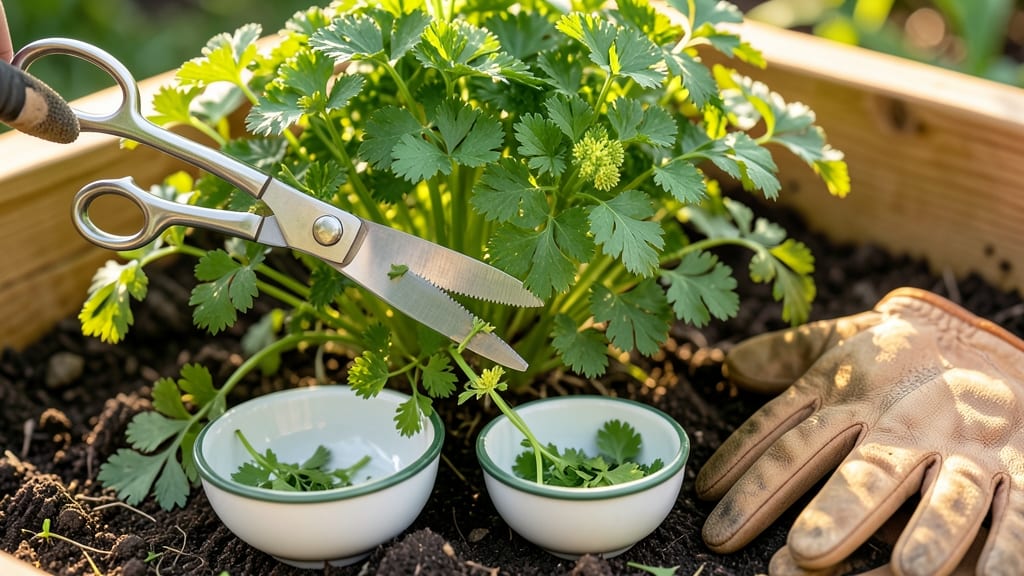
Want to snip fresh parsley 🌿 straight from your garden without sacrificing future harvests? The key lies in timing and technique—because harvesting too early or too aggressively can turn your flavor powerhouse into a sad, stunted plant.
I’ve tested every method, from cutting stems to plucking leaves, and discovered the exact moments when parsley is ready—60 to 90 days after planting—plus how to do it so your plant keeps growing back bushier and lusher.
Whether you’re harvesting in spring or fall, these tricks ensure you never run out of fresh, vibrant greens.
Ready to master the art? You’ll learn which leaves to pick first, how to avoid bolting (that dreaded flower spike), and even how to store your harvest to keep it crisp for weeks. Let’s dive into the simple steps that’ll turn your parsley patch into a year-round flavor factory.
No more guessing—just proven techniques for parsley that keeps coming back, harvest after harvest. Your taste buds (and dinner plates) will thank you.


When to harvest parsley for maximum regrowth and flavor
Timing your parsley harvest is everything—cut too early, and you’ll stunt growth; wait too long, and the flavor fades. The ideal harvest window for parsley is 60–90 days after planting, when leaves reach 4–6 inches tall and develop a deep green, vibrant color.
For spring plantings, this typically falls in April–May, while fall-planted parsley is ready by September–October.
Always prioritize harvesting outer leaves first—this protects the plant’s center while encouraging bushier regrowth. If you notice woody stems or yellowing leaves, you’ve waited too long.
These signs mean the plant is bolting, a process where parsley focuses energy on flowering instead of leaf production, drastically reducing flavor and harvest potential.
Seasonal timing matters too. In hot climates, parsley bolts faster—harvest aggressively in spring and fall to avoid this. In cooler regions, you can extend harvests into early winter if the plant is protected from frost.
Always check the weather forecast and avoid harvesting before a hard freeze, which can kill the plant entirely.
🌿
| Stage | Signs of Readiness | Best Harvest Time |
|---|---|---|
| Early Growth (30-45 days) | Leaves 2-3 inches tall, bright green | Avoid harvesting; focus on care |
| Prime Harvest (60-75 days) | Leaves 4-6 inches, firm stems | Harvest outer leaves weekly |
| Late Season (80+ days) | Woody stems, yellowing leaves | Harvest remaining leaves; avoid stems |
| Bolting (90+ days) | Flower stalks, bitter taste | Stop harvesting; remove plant |
Morning is the best time to harvest parsley—leaves are hydrated and crisp, and the plant is less stressed. Avoid harvesting after rain or late in the day, as damp leaves take longer to dry and may develop fungal issues.
If you must harvest in the evening, let the leaves air-dry completely before storing.
For continuous harvests, never remove more than 1/3 of the plant at once. This rule applies whether you’re snipping a few leaves or pruning back the entire plant.
Over-harvesting shocks parsley, leading to slow regrowth or death. Instead, make small, frequent cuts to keep the plant productive all season.
Did you know? Flat-leaf parsley tends to bolt faster than curly parsley in hot weather. If you’re growing both varieties, prioritize harvesting the flat-leaf first to preserve its milder, sweeter flavor. Curly parsley is hardier and often more forgiving when it comes to late-season harvests.
💧
Climate plays a huge role in harvest timing. In USDA Zones 8–10, parsley may bolt by late spring, while in Zones 3–6, you can extend harvests into early winter with row covers.
Always monitor your plant’s growth rate and adjust harvesting frequency accordingly—slow growth? Harvest less; rapid growth? Increase your snipping schedule.
Pro tip: Mark your calendar 60 days after planting to start your first harvest. This simple habit ensures you never miss the prime window and keeps your parsley thriving. Pair this with regular watering and partial shade in hot afternoons, and you’ll enjoy fresh parsley for months.
Step-by-step guide to harvesting parsley without killing the plant
Harvesting parsley correctly ensures you get fresh, flavorful leaves while keeping your plant thriving. The key is to use the right techniques and avoid common mistakes that can stunt growth or even kill your parsley.
Start by waiting until your plant reaches 4-6 inches tall—this usually takes about 60-90 days after planting, depending on your climate.
Before you begin, gather your tools: a pair of clean, sharp pruning shears or a sharp knife. Dull tools can crush stems and damage the plant, making it more susceptible to disease. Always disinfect your tools with rubbing alcohol to prevent spreading pathogens between cuts.
✂️ Step-by-Step Harvesting Guide
- Step 1: Choose outer leaves first. Always harvest from the outer edges of the plant to encourage new growth in the center.
- Step 2: Cut just above a leaf node. Angle your cut at a 45-degree angle, about 1/4 inch above the leaf node to promote faster regrowth.
- Step 3: Never cut more than 1/3 of the plant at once. Over-harvesting stresses parsley and can lead to bolting or stunted growth.
- Step 4: Harvest in the morning. The leaves are most hydrated and flavorful after a night’s dew, making them easier to handle and more aromatic.
- Step 5: Avoid pulling leaves. Always use clean cuts to prevent damaging the plant’s root system or stems.
If you’re harvesting flat-leaf parsley, you can also snip entire stems down to about 2 inches from the base. This method encourages the plant to branch out and grow bushier. For curly parsley, focus on harvesting individual leaves to maintain its signature frilly appearance.
One of the biggest mistakes gardeners make is harvesting parsley too aggressively. If you cut back more than one-third of the plant at a time, it can shock the roots and reduce future yields. Instead, make small, frequent harvests to keep your parsley producing fresh leaves all season long.
After harvesting, rinse the leaves under cool water to remove dirt and debris. Pat them dry gently with a clean towel or paper towel to prevent wilting. Store them in a perforated plastic bag in the refrigerator for up to 1 week to keep them fresh and crisp.
With the right techniques, you’ll enjoy a continuous harvest of fresh parsley for months. Regular harvesting not only gives you a steady supply of flavorful leaves but also encourages your parsley to grow fuller and more vibrant over time. 🌿