
Picking
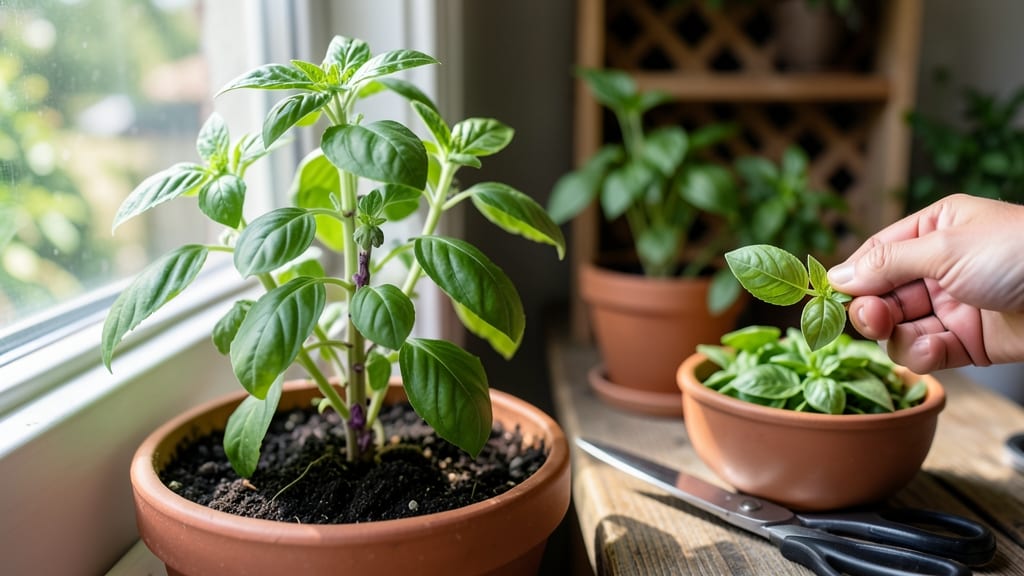
Harvesting herbs wrong can turn your kitchen staple into a sad, leggy shadow of itself. ✂️ How to harvest herbs without killing the plant lies in precision snips—cutting at the right spots, at the right time, and with the right tools.
I’ve saved more basil plants than I can count by mastering this one technique, and it works for mint, thyme, and even rosemary too.
Start by harvesting leaves from the top third of the plant, never more than one-third at a time. Use clean, sharp scissors or pruners to make clean cuts just above a leaf node—this encourages new growth where you want it.
For bushy herbs like oregano, snip entire stems down to the base, but leave at least half the plant intact to keep it productive.
Frequency matters just as much as technique. Most herbs bounce back beautifully when harvested every 2-4 weeks, but delicate varieties like cilantro prefer gentler treatment.
After each harvest, give your plants a little water and sunlight boost—they’ll reward you with thicker stems and more leaves than before you started.
The real magic happens when you avoid these two mistakes: over-harvesting (which stresses plants) and cutting into woody stems (which stunts growth). With this method, your herbs won’t just survive—they’ll thrive year after year, producing more than you’ll know what to do with. Let’s get those snips perfect.
📚 In This Guide
- What you need
- Instructions
- Tips and common mistakes
- Wrapping up and next steps
What you need
- ● Sharp, clean pruning shears or scissors – Opt for bypass pruners (not anvil-style) to avoid crushing stems. A 4-6 inch blade works best for most herbs.
- ○ Gloves (optional but recommended) – Lightweight gardening gloves protect against prickly stems (e.g., rosemary) or sap (e.g., mint). Choose nitrile or breathable cotton for dexterity.
- ● Small container or basket – A stainless steel or woven basket (1–2 gallons) keeps herbs organized and prevents bruising. Avoid plastic if storing long-term.
- ● Labeling tags or a notepad – Track harvested herbs by date and type. Waterproof tags work best for outdoor use.
- ● Water spray bottle (8–16 oz) – Mist herbs immediately after cutting to preserve oils and freshness.
- ● Disinfectant spray (70% isopropyl alcohol) – Wipe shears between cuts to prevent disease spread.
- ● Pruning saw (for woody herbs like oregano) – A folding saw with 7–9 teeth per inch handles thick stems gracefully.
- ● Harvesting tray with compartments – Keeps different herbs separated for easy sorting.
- ● Pouch or mesh bag – For herbs like thyme or lavender that shed easily when dried.
Step-by-step instructions for harvesting herbs without killing plants
Here's the precision method I swear by to keep your herbs thriving while harvesting—no sad, leggy survivors here.
🌿 Step 1: Identify the Right Time for Harvesting
The best time to harvest herbs is in the morning after the dew has dried but before the midday sun intensifies. This ensures the oils in the leaves are at their peak concentration. For most culinary herbs like basil, parsley, and cilantro, wait until the plant has at least 6-8 true leaves—those are the mature leaves that will regrow best.
For woody herbs like rosemary and thyme, harvest just before they flower for maximum flavor. You'll notice the stems are firm and upright, and the leaves feel plump to the touch. Avoid harvesting when the plant looks stressed—wilting or yellowing leaves mean it's not ready.
✂️ Step 2: Use the Right Tools and Technique
Never use your fingers to pluck leaves—it crushes the delicate stems and invites disease. Instead, grab a pair of clean, sharp pruning shears or scissors. Dull blades tear plant tissue, slowing recovery. I like to sterilize my tools with rubbing alcohol between harvests to prevent bacterial spread.
Make cuts just above a leaf node or set of leaves where new growth emerges. This encourages the plant to branch out rather than grow tall and leggy. For basil, I cut just above a pair of leaves to promote bushier growth. Avoid cutting into the woody stem—this weakens the plant and can kill it.
🌱 Step 3: Harvest Strategically for Regrowth
Never take more than one-third of the plant at a time. This ensures the herb has enough energy to regrow. For example, if you're harvesting basil, snip leaves from the outer edges first, leaving the inner leaves intact. This prevents the plant from becoming bare in the center, which can lead to sunburn or pest issues.
For herbs like mint and oregano, which grow in clumps, you can cut entire stems down to about 2-3 inches above the ground. These hardy herbs often regrow from the base, so they handle more aggressive harvesting. After cutting, give the plant a gentle shake to remove any pests hiding in the foliage.
💧 Step 4: Post-Harvest Care for Lush Regrowth
After harvesting, water the plant deeply to replenish moisture lost during the process. The soil should feel damp 2 inches below the surface. Avoid overwatering, though—soggy soil can rot the roots and kill the plant. I usually water in the evening so the leaves have time to dry before nightfall, reducing the risk of fungal infections.
Place the harvested herbs in a cool, dark place for a few hours before using or storing them. This slows down the oxidation process, preserving their flavor and color. If you notice any yellowing or wilting after harvesting, it’s a sign you took too much—next time, be more conservative with your cuts.
☀️ Step 5: Monitor and Adjust for Seasonal Changes
Herbs grow at different rates depending on the season. In spring and summer, they thrive with regular harvesting, but in fall and winter, growth slows down. Adjust your harvesting frequency accordingly—slow down in cooler months and ramp up as temperatures rise. You’ll see new growth within 2-3 weeks if the plant is healthy and well-cared for.
If your herb starts looking leggy or sparse, it’s a sign it needs more light or nutrients. Move it to a sunnier spot or fertilize lightly with a balanced, water-soluble fertilizer. Leggy growth is a common sign of over-harvesting or insufficient light, so don’t ignore it—address it quickly to keep your herb lush and productive.
Tips & tricks for perfect herb harvesting
Real talk: Harvesting herbs wrong can turn your kitchen garden into a sad, stunted mess. Here's what nobody tells you about keeping your plants thriving after each cut.
Timing Secret: The morning window between dew evaporation and midday heat is your sweet spot for harvesting. I learned this the hard way after watching basil wilt from afternoon cuts—herbs lose moisture quickly in direct sun. For stem herbs like rosemary, harvest when buds form but before flowers open; this is when flavor peaks and regrowth is most vigorous. The 4-6 pairs of leaves rule for leafy herbs isn't arbitrary—it's the plant's way of saying "I've saved enough energy for you."
Precision Cutting Technique: That 45-degree angle isn't just for aesthetics—it's a survival tactic for your plants. The slanted cut prevents water from pooling on the stem, which would otherwise create a perfect breeding ground for rot. For leafy herbs, always snip the outer leaves first; think of it like giving your plant a haircut from the outside in. And never take more than one-third of the plant's current growth at once—this is the golden rule that separates herb gardeners from herb garden disasters.
Post-Harvest Recovery: The 24-hour watering window is critical—herbs need this time to recover from the stress of cutting. I've seen plants wilt dramatically after harvest only to bounce back beautifully after proper hydration. That 1-inch soil check isn't just about moisture levels; it's about understanding your plant's thirst signals. And when you fertilize, remember: diluted is better. A teaspoon of 10-10-10 in a gallon of water gives just enough nutrients without shocking the system.
Pro Tips for Harvest Herbs Without Killing The Plant
- Real talk: Harvesting herbs wrong can turn your kitchen garden into a sad, stunted mess.
- Timing Secret: The morning window between dew evaporation and midday heat is your sweet spot for harvesting.
- Precision Cutting Technique: That 45-degree angle isn't just for aesthetics—it's a survival tactic for your plants.
Frequently asked questions
Got questions about harvesting herbs the right way? You’re not alone—many gardeners want to keep their plants thriving while reaping the rewards. Here are answers to the most common queries to help you harvest like a pro!
How do I know when my herbs are ready to harvest?
Most herbs are ready when they’re just starting to flower (like basil or cilantro) or when their leaves are fully developed (like rosemary or thyme). For leafy herbs, snip just above a set of leaves to encourage bushier growth. For woody stems (like oregano), harvest before flowering for the strongest flavor.
What’s the best time of day to harvest herbs?
Morning is ideal—after the dew dries but before the heat of the day. This ensures the highest oil content (flavor!) and prevents wilting. Avoid harvesting after rain, as damp leaves can rot or attract pests. Pro tip: Never cut more than 1/3 of the plant at once to avoid stress.
Can I use scissors or should I pinch herbs by hand?
Both work! Scissors are great for thick stems (like rosemary), while pinching by hand (between thumb and forefinger) is gentler for delicate leaves (like mint or parsley). Just sterilize your tools with rubbing alcohol first to prevent disease. For large harvests, sharp pruning shears work best.
What if my herbs stop growing after harvesting?
Over-harvesting or cutting too close to the base can stunt growth. Always leave at least 2-3 sets of leaves or 1/3 of the plant intact. If growth slows, trim back any leggy or yellowing stems to redirect energy. Water consistently and fertilize lightly (like compost tea) to encourage recovery.
How do I harvest herbs in extreme heat or cold?
Hot weather? Harvest early morning or late evening to avoid wilting. Cold snaps? Wait until temps rise above freezing—frost can damage tender herbs like basil. For winter harvesting, bring potted herbs indoors near a sunny window. Never harvest wet herbs (from dew or rain) to prevent mold.
Wrapping up and next steps
Harvesting herbs the right way doesn’t just preserve their flavor—it keeps your plants thriving! By mastering the precision snip technique, you’re ensuring lush regrowth and a steady supply of fresh, vibrant herbs. Whether you’re trimming basil, mint, or rosemary, remember: less is more, and always use clean tools.
Now that you’re equipped with the know-how, grab those shears and start harvesting with confidence! 🌿 Try experimenting with a few plants this week—your garden (and taste buds) will thank you. Ready to dive deeper? Check out our guide on storing harvested herbs to maximize their shelf life!