
How To
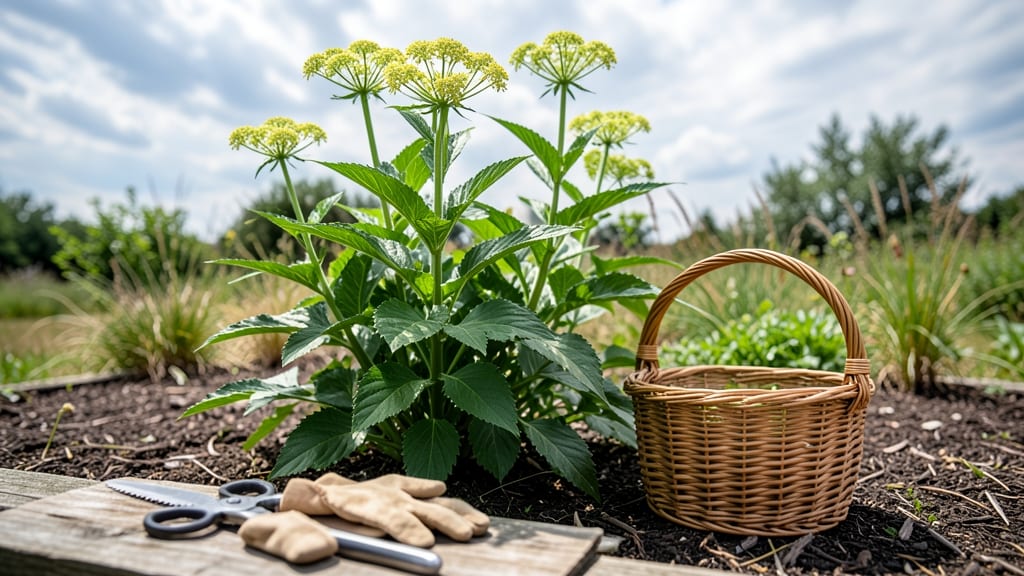
Harvesting lovage at the wrong time can mean sacrificing flavor and future growth—so timing is everything. This towering 🌿 herb thrives in zones like 6a, but even the hardiest plants need careful handling to keep producing those aromatic leaves and stems all season.
You might assume you can just snip leaves whenever you need them, but doing so too early or too late can stunt regrowth.
The key is knowing when to cut for maximum yield without overstressing the plant—especially since lovage can be harvested multiple times from June to September if done right.
In this guide, I’ll walk you through the exact techniques to harvest leaves, stems, and even roots while keeping your lovage healthy. You’ll learn how to use sharp tools, avoid common mistakes, and store your harvest so you can enjoy its bold flavor all year.
Whether you’re a seasoned gardener or just starting with this spring-planted perennial, these steps will ensure your lovage keeps giving back—without sacrificing next year’s harvest.


Best time to harvest lovage for leaves, stems, and roots
Harvesting lovage at the right time ensures you get the most flavorful leaves, sturdy stems, and robust roots without harming your plant’s future growth. Since lovage is a perennial herb, timing matters—especially if you want multiple harvests per season.
The best window spans from early summer to late fall, but each part of the plant has its own ideal harvest time.
For leaves, focus on harvesting in late spring through early summer when they’re young and tender. Mature leaves can still be used, but they’re often more fibrous. Stems should be cut in mid-to-late summer when they’re firm and woody.
Meanwhile, roots are best harvested in early spring or fall before the plant goes dormant.
Your climate zone plays a big role in timing. In warmer zones (USDA 8-10), lovage grows year-round, so you can harvest leaves almost anytime. In cooler zones (USDA 3-7), aim for June through September to avoid early frosts that can damage regrowth.
Here’s a quick guide to what to harvest and when:
| Part | Best Time | Signs of Readiness | Regrowth Potential |
|---|---|---|---|
| Leaves | Late spring to early summer | 12-18" tall, vibrant green, aromatic | High (cut outer leaves first) |
| Stems | Mid-to-late summer | Firm, woody, 3-4 ft tall | Moderate (avoid over-cutting) |
| Roots | Early spring or fall | Plant dormant or post-harvest | Low (harvest sparingly) |
If you harvest leaves regularly, your lovage plant will reward you with multiple flushes of growth throughout the season. For stems, avoid cutting more than one-third of the plant at once to prevent stress. Roots, however, should only be harvested every 3-4 years to maintain plant health.
Pro tip: Early morning harvests yield the freshest leaves, as they’re fully hydrated and packed with flavor. Always use sharp, clean pruners to make precise cuts and reduce disease risk.
Never harvest lovage after it bolts or flowers, as the flavor becomes bitter and the plant shifts energy toward seed production instead of leaf growth. This is your plant’s way of saying, “Stop now!” 🌿
For continuous harvests, space out your cuts every 4-6 weeks during the growing season. This keeps your lovage bushy and productive for years to come.
Step-by-step harvesting techniques to encourage regrowth
Harvesting lovage correctly is key to ensuring your plant keeps producing lush, flavorful leaves and stems for years. Start by using a sharp pruning shears or clean knife to avoid damaging the plant. Always cut just above a leaf node—this encourages new growth from that point.
For leaf harvesting, focus on the outer leaves first. These are mature enough to use but won’t stunt the plant’s center growth. Aim to leave at least half the plant’s foliage intact to maintain photosynthesis and energy for regrowth.
Never remove more than one-third of the plant at a time.
When harvesting stems, wait until they reach 12-18 inches tall and are firm to the touch. Cut stems at a 45-degree angle to increase the surface area for water absorption. If you’re harvesting for culinary use, younger stems are more tender and flavorful.
- Over-harvesting: Cutting too many stems or leaves at once weakens the plant and reduces future yields.
- Dirty tools: Using unsterilized shears can spread disease. Wipe blades with rubbing alcohol between cuts.
- Harvesting in frost: Lovage is hardy but loses flavor and may die back if harvested during or after frost.
For root harvesting, only dig up roots if you’re dividing the plant or need them for medicinal use. The best time is early spring before new growth begins. Use a fork or spade to carefully lift the roots, then rinse off excess soil before storing or using.
After harvesting, water the plant deeply to help it recover. Apply a balanced fertilizer (like 10-10-10) to support regrowth, especially if you’ve harvested heavily. Mulch around the base to retain moisture and protect roots during hot or cold spells.
With proper technique, your lovage plant can provide continuous harvests for 5-10 years or more. Just remember: patience and moderation are key to keeping your plant thriving and productive year after year. 🌿✂️🌱