
How To
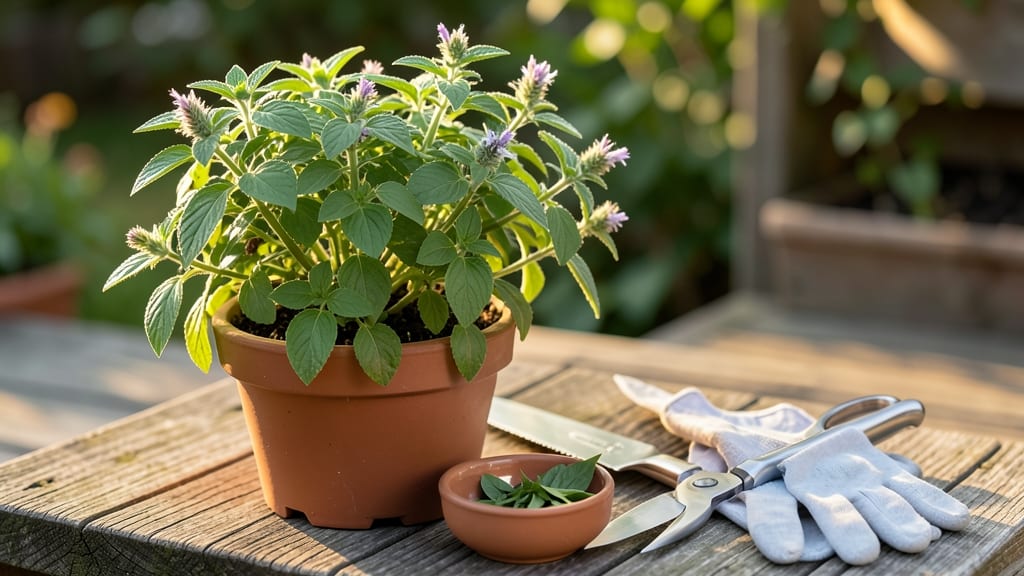
Harvesting tulsi 🌿 at the right moment unlocks its full potential—whether you're growing it for vibrant curries or potent Ayurvedic remedies. The difference between fresh, flavorful leaves and bitter, overgrown stems often comes down to timing and technique.
Most gardeners don't realize that harvesting tulsi leaves just before flowering boosts their medicinal properties and taste. This 60-90 day window after planting (June-August in zone 6a) is prime time for maximum potency, but there's more to it than just waiting.
I'll show you exactly when to snip for the best results, how to prune without harming your plant, and simple storage tricks to keep those leaves fresh. No more guessing whether your tulsi is ready—just follow these proven steps.
From morning harvests to avoiding common mistakes, you'll learn the easiest way to get the most from your holy basil plants all season long. Let's get started!


Best time to harvest tulsi for maximum flavor and benefits
Harvesting your tulsi (holy basil) at the right time isn’t just about getting leaves—it’s about unlocking their full medicinal potency and flavor profile. The best time to harvest is morning, between 8 AM and 10 AM, when essential oils are at their peak.
This timing ensures the highest concentration of antioxidants and volatile compounds like eugenol, which give tulsi its signature aroma and health benefits.
For culinary use, you can harvest leaves anytime during the day, but morning leaves are fresher and more aromatic. If you’re growing tulsi for Ayurvedic remedies or tea blends, prioritize morning harvests to maximize therapeutic properties.
Studies show that essential oil content in tulsi can vary by up to 30% depending on the time of day you harvest.
Seasonally, aim to harvest tulsi before flowering, typically 60–90 days after planting (late spring to early summer). Once flowers appear, the plant’s energy shifts from leaf production to seed development, causing leaves to become bitter and less potent.
If you miss this window, you can still harvest, but the flavor and medicinal benefits will diminish.
Age matters too—young plants (under 3 months old) produce tender, delicate leaves, while mature plants yield larger, hardier leaves. For continuous harvests, prune your tulsi every 4–6 weeks to encourage bushier growth and prevent woody stems. This method keeps your plant productive and healthy for months.
8–10 AM for peak essential oils and antioxidants.
Harvest before buds form for the best flavor and potency.
Trim every 4–6 weeks to maintain bushy growth and prevent woody stems.
Harvest younger leaves for milder, sweeter flavors.
If you’re growing tulsi for medicinal purposes, focus on harvesting younger leaves from the top third of the plant. These leaves contain the highest concentration of eugenol and rosmarinic acid, two compounds linked to anti-inflammatory and immune-boosting benefits.
For culinary dishes, like Thai or Indian curries, you can use slightly older leaves for a stronger, more robust flavor.
One common mistake is harvesting tulsi after heavy rain or in the late afternoon. Moisture can dilute essential oils, and afternoon heat can cause leaves to wilt quickly. Always harvest on a dry, sunny morning for the best results.
Pro tip: Use a pair of clean, sharp scissors or pruning shears to avoid crushing stems, which can invite pests or disease.
For long-term harvesting, consider growing tulsi in containers so you can move it to a sunny spot or shade as needed. This flexibility helps you control the plant’s exposure to light and heat, ensuring consistent harvests throughout the growing season.
Whether you’re using tulsi for tea, cooking, or homemade remedies, timing your harvests right makes all the difference.
Remember, tulsi is a fast-growing herb, so it can bounce back quickly after pruning. If you harvest too aggressively, the plant may produce fewer leaves, but it won’t die—it’ll just focus on regrowing.
Balance is key to keeping your tulsi healthy, productive, and ready for your next harvest.
Step-by-step guide to harvesting tulsi leaves correctly
Harvesting tulsi leaves correctly ensures your plant stays healthy and productive. Start by selecting the right tools—clean, sharp pruning shears or scissors work best. Avoid using your fingers to prevent bruising the leaves or spreading disease.
I always sanitize my tools with rubbing alcohol before use to keep my holy basil free from contaminants.
For the best flavor and potency, focus on the top 2-3 pairs of leaves from each stem. These are fully mature and packed with essential oils. Never cut more than one-third of the plant at a time to avoid stressing it.
I find that harvesting in this way encourages bushier growth and more abundant leaves over time.
Step-by-Step Harvesting Guide
- 1. Choose the right time: Harvest in the early morning (6-8 AM) when essential oils are at peak potency.
- 2. Select healthy stems: Pick stems with 4-6 pairs of leaves—avoid flowering stems if you want leafy growth.
- 3. Use clean tools: Sanitize scissors with rubbing alcohol to prevent disease spread.
- 4. Cut at a 45° angle: Trim just above a leaf node to encourage new growth.
- 5. Leave lower leaves: Avoid cutting into the woody base to protect the plant’s health.
- 6. Store properly: Keep leaves in a paper towel-lined container in the fridge for up to 5-7 days.
When harvesting, always cut just above a leaf node (the point where leaves meet the stem). This encourages new growth from that spot. I avoid cutting into the woody base of the plant, as this can weaken it.
If you’re growing tulsi for medicinal use, prioritize leaves from the middle of the plant—they’re often the most potent.
After harvesting, store your tulsi leaves properly to maintain their freshness. I recommend wrapping them in a paper towel and placing them in a sealed container in the fridge. This method keeps them crisp for 5-7 days.
For long-term storage, you can dry the leaves by hanging small bundles upside down in a well-ventilated, dark space until crispy.
One pro tip I’ve learned is to rotate your harvesting spots around the plant. This ensures even growth and prevents one side from becoming overcrowded. If your tulsi plant starts flowering, you can still harvest leaves, but the flavor may become slightly bitter.
To maintain a leafy harvest, pinch off flower buds as soon as they appear.
Finally, never harvest more than 30% of the plant at once, especially for young or newly transplanted holy basil plants. Over-harvesting can shock the plant and reduce future yields.
By following these steps, you’ll keep your tulsi thriving and enjoy a steady supply of fresh, aromatic leaves all season long. 🌿