
Blooming
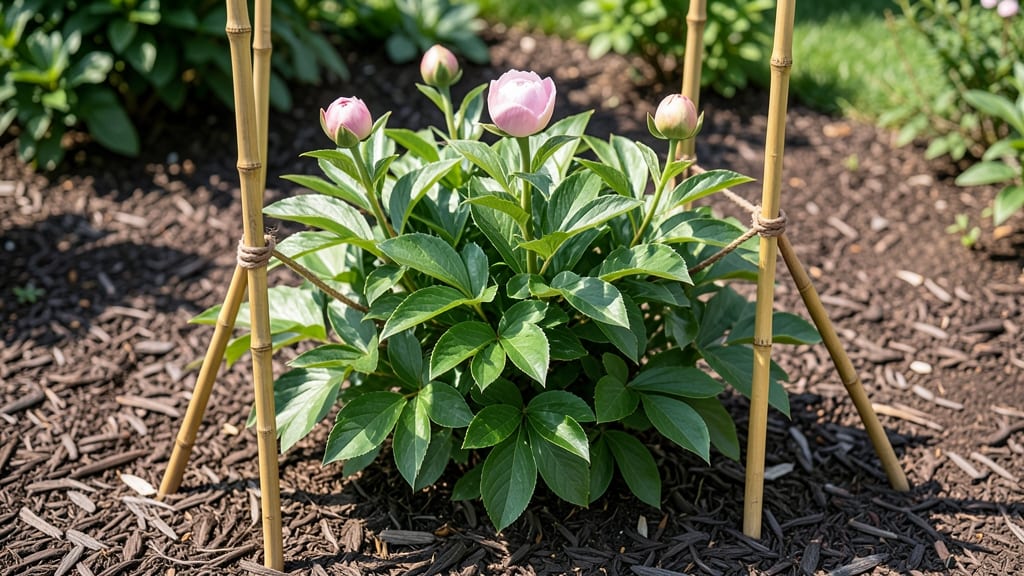
The secret to how to hold up peonies that stand tall for weeks isn’t magic—it’s sturdy stems and smart support. 🌸 I’ve watched floppy peony blooms go from sad droops to proud, long-lasting displays just by adjusting a few simple habits.
The difference between a peony that flops by day two and one that stays upright for weeks often comes down to what you do before—and after—the buds even open.
Most gardeners overlook the pre-bloom prep that makes all the difference. Weak stems happen when peonies get too much water, too little sunlight, or no support at all.
But with the right staking technique—whether it’s spiral ties, tomato cages, or even DIY bamboo stakes—you can turn those heavy blooms into showstoppers. The key is acting early, before the buds swell, so the stems strengthen naturally.
By the time your peonies reach their full glory, you’ll have blooms that stay upright for weeks instead of wilting by afternoon. The stems will be thick and resilient, and you’ll avoid the heartbreak of seeing those gorgeous flowers droop before they’ve even had a chance to be admired.
Plus, the right care means fewer broken stems and more time enjoying their lush, fragrant beauty.
This works for both new plantings and established bushes, and the same principles apply whether you’re growing in garden beds or containers. The only real mistake? Waiting until the blooms are already sagging to think about support. Let’s get those peonies standing proud from day one.
📚 In This Guide
- What you need
- Instructions
- Tips and common mistakes
- Wrapping up and next steps
What you need
- ● Peonies: Freshly cut stems (3–6 inches long) with at least 3–4 buds per stem for optimal support.
- ● Floral preservative: 1 packet (or 1 tsp of commercial floral food like Chrysal Professional or homemade mix: 1 tsp sugar + 1 tsp bleach per quart of water).
- ● Water: Clean, room-temperature (60–70°F) tap or distilled water (1–2 quarts per vase).
- ● Support structures: Floral frog: 1–2 medium-sized (for 3–6 stems) or a large one (for 6+ stems).
- ● Chicken wire or floral tape: 1 roll (for DIY supports).
- ● Toothpicks or skewers: 3–6 wooden toothpicks or bamboo skewers (for individual stems).
- ● Scissors or pruners: Sharp, clean floral shears or pruners (avoid dull knives!).
- ● Vase or container: A sturdy, deep vase (6+ inches tall) or a bucket with drainage holes (for large arrangements).
- ● Hydrogel or floral foam: 1 block (for extra stability in large arrangements).
- ● Aluminum wire: 1 roll (for reinforcing stems or creating custom supports).
- ● Newspaper or wet paper towels: To line the vase and prevent bacterial growth.
- ● Acetic acid (white vinegar): 1 tbsp (added to water to inhibit bacteria).
- ● Decorative filler: Greenery (eucalyptus, ivy), pebbles, or moss for aesthetic flair.
Step-by-Step instructions for holding up peonies
Peonies flop like overzealous guests at a party—here’s how to keep those heavy blooms standing tall.
🌿 Step 1: Choose the Right Location for Strong Growth
Peonies need full sun—at least 6-8 hours daily—to develop sturdy stems. Plant them where they’ll get morning sun and afternoon shade if your climate runs hot, like zones 7-9. The deeper the roots go, the stronger the stems. I dig a hole 12-18 inches deep and place the roots so the "eyes" (buds) sit just 2 inches below soil level.
If your garden spot gets windy, choose a sheltered area. Wind whips floppy stems into submission faster than anything. You’ll see the difference after just one season—thicker stems and fewer fallen blooms.
✂️ Step 2: Prune Properly to Encourage Strong Stems
Cut back last year’s foliage in late fall or early spring, leaving 6-8 inches of stems above the ground. This prevents disease and lets the plant focus energy on next year’s growth. I avoid cutting back too early in spring—wait until new shoots appear, then trim the dead stems cleanly with sharp shears.
Never remove all the leaves before they yellow naturally. Those leaves feed the roots, building strength for next year’s blooms. If you’re impatient and cut too soon, you’ll end up with weak stems that can’t hold up those gorgeous (but heavy!) flowers.
🪴 Step 3: Support Stems Before They Flop
Once buds form, check stems weekly for signs of bending. If they’re already sagging, it’s time to act. I use peony rings (metal hoops) or bamboo stakes—never plastic ties, which cut into stems. Place the support around the stem early, before blooms open, and secure it loosely with soft garden twine.
Don’t wait until flowers are open to add support—that’s too late. You’ll see stems bowing under the weight of buds as soon as they swell. A little prevention now means you won’t be scrambling to prop up drooping blooms later.
💧 Step 4: Water and Feed for Sturdy Blooms
Peonies need deep watering once a week—soak the soil 6-8 inches down—but never let them sit in soggy soil. I water at the base, avoiding the foliage to prevent fungal diseases like botrytis, which weakens stems. Mulch with 2-3 inches of organic matter—like shredded bark—to keep roots cool and retain moisture.
Feed with a balanced fertilizer (10-10-10)—just once in early spring. Too much nitrogen makes lush leaves but weak stems. You’ll know your peonies are happy when stems are thick as your thumb and buds form plump, heavy blooms.
☀️ Step 5: Adjust Care for Long-Lasting Blooms
Deadhead spent blooms immediately to prevent seed formation, which drains energy from the plant. Cut stems back to the first set of leaves, not the base. This encourages more blooms and keeps stems from flopping under the weight of new buds.
If your peonies still flop, they might need more support. Try multiple stakes per stem—one on each side—or a peony cage—a wire frame that cradles the entire plant. The goal is to let those blooms shine without bending over.
Tips & tricks for perfect peony support
These simple tricks will help you keep your peony blooms standing tall and proud all season long.
Support Placement Matters: When installing your bamboo stakes or metal cages in Step 1, position them 3-4 inches deep and at a 45-degree angle toward the plant center. This creates a natural cradle that prevents stems from bending outward. I've seen too many gardeners drive stakes straight up—this leaves stems unsupported when they lean away from the stake. For clusters, use multiple stakes tied together with soft twine, spacing them 1 stake per 3-4 stems to avoid overcrowding.
Tie Technique for Stronger Stems: In Step 2, the key is to tie stems 2-3 inches below the first set of leaves where the stem is sturdy. I use soft floral tape or plastic plant ties because they won't cut into stems as they thicken. Here's what I learned the hard way: tie loosely at first, then retighten as stems grow. Too-tight ties strangle stems, while loose ties let plants sway in wind—which actually strengthens them. Watch for first buds to form, then add secondary ties at 12-inch intervals up each stem to prevent heavy flower heads from toppling the plant.
Watering Wisdom: Step 3's deep watering once weekly is crucial, but timing matters. Water in the morning when stems are firm to prevent afternoon sun from making them glass-like and brittle. I've noticed stronger stems develop when soil stays consistently moist but not soggy—press your finger 1 inch deep to check moisture levels. Avoid overhead watering when buds form to prevent fungal diseases like botrytis that weaken stems.
Pruning for Airflow: After blooming in Step 4, prune outer stems first to improve airflow through the center of the plant. Good airflow reduces humidity around stems, preventing gray mold that weakens them. I also remove any suckers growing outside the main clump—they compete for nutrients, making existing stems more prone to flopping. Time your pruning for late fall when plants are dormant to give roots time to recover before spring growth.
Pro Tips for Hold Up Peonies
- These simple tricks will help you keep your peony blooms standing tall and proud all season long.
- Support Placement Matters: When installing your bamboo stakes or metal cages in Step 1, position them 3-4 inches deep and at a 45-degree angle toward the plant center.
- Tie Technique for Stronger Stems: In Step 2, the key is to tie stems 2-3 inches below the first set of leaves where the stem is sturdy.
Frequently asked questions
Got questions about keeping your peonies standing tall and proud? You’re not alone! Here are answers to the most common queries about how to hold up peonies—from quick fixes to long-term solutions.
How do I make peony stems stronger for cutting?
Peonies have thick, sturdy stems, but cutting them at a 45-degree angle right after opening helps them absorb water better. Use a sharp knife or pruners to avoid crushing the stem. Pro tip: Strip the lower leaves to reduce bacterial growth in water.
How long will peonies stay upright in a vase?
With proper care, peonies can last 7–10 days in a vase. Change the water every 2–3 days, trim stems by 1 inch, and keep them in a cool spot away from direct sunlight. For extra support, use floral preservatives or a peony-specific solution to extend their life.
Can I use peony stems from my garden for arrangements?
Garden peonies work great, but harvest them early in the morning when stems are fully hydrated. Avoid overcrowding in the vase—give each stem space to prevent leaning. If stems are woody or hollow, recut them under water to encourage fresh absorption.
What if my peonies keep flopping over?
Floppy peonies often mean low water intake or weak stems. Try these fixes:
- Recut stems and place them in hot water (110°F) for 30 seconds to open vessels.
- Add a drop of bleach or floral food to the water to prevent bacteria.
- Use a peony support cage or lean stems against a vase’s edge.
Are there alternatives to peonies for long-lasting cut flowers?
If peonies aren’t your style, try these durable, long-lasting alternatives:
Flower
Lifespan
Support Tip
Roses
7–10 days
Recut stems daily and use floral preservatives.
Alstroemeria
10–14 days
Thick stems need minimal support but love cool water.
Carnations
7–12 days
Add sugar to water for extra longevity.
Wrapping up and next steps
Mastering the art of holding up peonies is all about patience, precision, and a little TLC—and now you’ve got the know-how to keep those lush blooms standing tall for weeks! 🌸 Whether you’re arranging them in a vase, a bouquet, or a garden bed, the secret lies in supporting their weight and preserving their moisture.
With the right tools and techniques, you’ll turn floppy stems into show-stopping centerpieces.
Ready to put your new skills to the test? Grab those peonies, gather your supplies, and start experimenting! Try a different support method—like a floral frog or a wire cage—and see which one works best for your space. Happy arranging! 🎉