
Pests
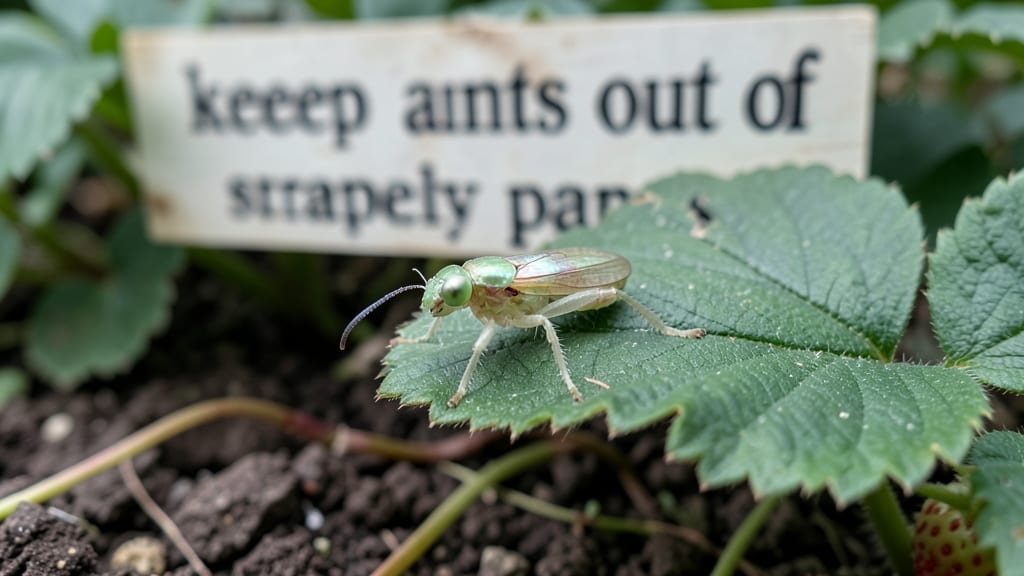
How to keep ants out of strawberry plants—without the ant invasion. 🌱 I’ve lost entire harvests to marching ants until I discovered this foolproof diatomaceous earth barrier that stops them cold without harming your plants or fruit. The secret isn’t complicated: ants follow trails of sugar and sap, so we cut them off at the source. A light dusting of food-grade diatomaceous earth around the base of plants creates a microscopic shield they’ll avoid. It’s organic, safe for pollinators, and works in under 10 minutes—no sprays or harsh chemicals needed. By mid-season, you’ll be picking plump berries while ants stay miles away. The best part? This method keeps working all season long, even after rain. No more tiny black trails on your ripe fruit or wilting leaves from aphid hitchhikers. Works for raised beds, containers, or in-ground plantings—just adjust the application width. Here’s exactly how to do it without overdoing it.
Root Causes of Ant Invasions
Ants don’t just wander into your strawberry patch by accident—they’re drawn there for a reason. Understanding why they target your plants is the first step to stopping them. Below, we break down the science behind their behavior and what makes your strawberries such an appealing buffet.
Strawberry plants are like neon signs to ants—especially when they’re producing honeydew. This sticky, sugary substance is excreted by aphids, tiny sap-sucking insects that often hitch a ride on strawberry leaves.
Ants love honeydew because it’s a high-energy food source, and they’ll actively farm aphids to harvest it. In fact, some ant species even protect aphids from predators to ensure a steady supply!
But it’s not just aphids—strawberries themselves produce volatile organic compounds (VOCs), like methyl salicylate (the same compound that gives wintergreen its scent), which can attract foraging ants. When plants are stressed—whether from drought, poor soil, or over-fertilization—they release even more of these chemical signals, acting like a dinner bell.
Ants are architects—they need moisture and shelter to thrive, and strawberry plants provide both. The shallow root systems of strawberries create a damp, cool microclimate near the soil surface, perfect for ant colonies.
Plus, the mulch or decaying plant matter around strawberry beds acts as a natural highway, giving ants easy access to nest-building materials.
Here’s the kicker: ants prefer disturbed soil. If you’ve recently tilled, planted, or even walked near your strawberries, you’ve likely created trail markers (pheromones) that guide ants straight to the action.
They’ll also exploit cracks in pots or gaps in mulch to establish underground tunnels, turning your garden into their personal real estate.
Ripe strawberries aren’t just a treat for you—they’re a magnet for ants. When fruit softens, it releases fructose and glucose, sugars that ants detect from yards away.
But it’s not just the fruit itself: rotting plant debris, fallen leaves, or even spilled nectar from flowers can create a scent trail that ants follow like breadcrumbs.
Worse yet, ants recruit their colony when they find a food source. A single scout ant can return to the nest and deposit pheromone trails, turning a small infestation into a full-blown invasion within hours.
If you’ve ever seen a line of ants marching toward your strawberries, it’s because they’ve already staked their claim.
Healthy strawberry plants produce natural deterrents, like tannins and alkaloids, which can repel pests. But when plants are stressed—due to nutrient deficiencies, disease, or poor watering—their defenses weaken, making them easier targets. Ants exploit this by:
- Homing in on stressed leaves (which release more sugars and amino acids).
- Exploiting open wounds (like pruning cuts or insect bites) to enter plant tissues.
- Partnering with other pests (like aphids or spider mites) that further damage the plant.
Think of it like a vicious cycle: the more the plant suffers, the more ants are drawn to it—and the more ants there are, the more the plant suffers.
Now that you know why ants are crashing your strawberry party, the good news is you can flip the script. By addressing these root causes—whether through aphid control, soil moisture management, or plant health boosts—you’ll make your garden far less appealing to unwanted guests.
Stay tuned for actionable solutions!
Natural Ways to Stop Ants Invading
Ants may seem like tiny troublemakers, but their presence near strawberry plants can wreak havoc—especially when they’re farming aphids or tunneling into roots. The good news? You don’t need harsh chemicals to outsmart them.
Below are targeted solutions tailored to the root causes of ant infestations, paired with easy-to-implement fixes. Think of these as your strawberry garden’s first line of defense!
Ants leave scent trails to recruit their colony, so disrupting these routes is key. Here’s how:
- 🔥 Create a Diatomaceous Earth Barrier
Sprinkle food-grade diatomaceous earth (DE) in a 1-inch band around your strawberry beds, especially near the base of plants. The microscopic particles dehydrate ants, breaking their scent trails. Reapply after rain or watering.
- Pro Tip: 💡 Mix DE with a little flour to make it stick better to soil and deter ants from bypassing it.
- 🍳 Use Vinegar or Lemon Juice
Ants hate the strong smell of vinegar or citrus. Spray a 50/50 mix of water and white vinegar (or lemon juice) along their trails. Reapply every few days, especially after rain.
- Pro Tip: 🌡️ For extra potency, add a few drops of peppermint or tea tree oil to the spray—ants despise these scents!
- 👨🍳 Physical Barriers Work Too Install a thin strip of copper tape or aluminum foil around the perimeter of your garden. Ants avoid metal because it disrupts their electrical signals. Bury the edges slightly to prevent them from crawling over.
If ants are protecting aphids (which suck sap from your strawberries), you’ll need to tackle both pests. Here’s the game plan:
- ⏰ Introduce Aphid Predators
Ladybugs, lacewings, and parasitic wasps are natural aphid hunters. Buy them online or attract them by planting companion flowers like dill, fennel, or yarrow nearby.
- Pro Tip: 🎯 Release predators in the early evening when aphids are less active to maximize their hunting efficiency.
- 🔪 Blast Aphids Off with Water Use a strong stream of water from a hose to dislodge aphids from leaves. Repeat every 2–3 days until the infestation clears. Ants will lose interest once their “cows” are gone!
- 🥘 Soap Spray for Aphids Mix 1 tablespoon of mild liquid soap (like Castile soap) with 1 quart of water. Spray directly on aphids—avoid overspraying strawberries to prevent residue. Ants will abandon the area once their food source is eliminated.
If you’ve spotted ant hills or tunnels near your plants, it’s time to evict them strategically:
- 💡 Relocate the Colony Early in the morning (when ants are sluggish), use a shovel to carefully dig up the nest and relocate it at least 50 feet away. Do this on a cool day to reduce the risk of ants attacking you. Seal the hole with a rock or board temporarily.
- 🌡️ Boiling Water or Vinegar Treatment
Pour boiling water or a vinegar solution directly into the nest entrance. This kills ants on contact and disrupts the colony’s scent. Repeat for 3–4 days to ensure the entire nest is destroyed.
- Pro Tip: ✨ For stubborn nests, add a few drops of dish soap to the boiling water to break surface tension and improve penetration.
- 🔥 Use Cinnamon or Coffee Grounds Sprinkle cinnamon or used coffee grounds around the nest area. These natural repellents disrupt ant pheromones and create an inhospitable zone. Reapply after rain.
Once you’ve kicked the ants out, keep them from returning with these proactive steps:
- 🍎 Keep Your Garden Tidy Remove fallen fruit, weeds, and debris where ants hide or forage. Store compost bins far from strawberry beds.
- 📊 Plant Ant-Repelling Herbs Surround your strawberries with herbs like mint, basil, or thyme. Their strong scents confuse ant trails.
- 💪 Monitor Regularly Check plants weekly for new trails or aphids. Early action prevents small problems from becoming full-blown invasions.
- 🌿 Use Mulch Strategically Avoid thick mulch near strawberry crowns, as it can harbor ants. Opt for a thin layer of straw or wood chips instead.
With these targeted fixes, your strawberry plants will stand a fighting chance against ant invasions—without resorting to toxic chemicals. The key is consistency: combine barriers, disrupt food sources, and stay vigilant. Your sweet, pest-free harvest is just around the corner! 🍓✨
Frequently asked questions
Will diatomaceous earth harm my strawberry plants or fruit?
No, food-grade diatomaceous earth (DE) is completely safe for strawberries when used correctly. The powder only affects ants by dehydrating them—it won't damage plant roots or contaminate fruit. Just apply it as a thin barrier around the base, avoiding direct contact with leaves or berries.
How often should I reapply natural ant deterrents like vinegar or cinnamon?
Reapply every 3-5 days or immediately after rain, as these solutions lose effectiveness when wet. For long-term protection, combine with a diatomaceous earth barrier—this creates a double defense that lasts longer between applications. Morning applications work best when ants are least active.
Can I use coffee grounds around strawberries to repel ants?
Yes, but use them strategically! Fresh coffee grounds work well as a repellent, but avoid piling them directly against plant stems where moisture can accumulate. Spread a thin layer around the perimeter of your bed instead. For extra power, mix with cinnamon—this combo confuses ant trails better than either alone.
Why do ants keep coming back after I've treated the area?
Persistent ants usually mean you're missing one of three things: aphids (their food source), moisture (they need damp soil to thrive), or entry points (gaps in your barrier). Check for hidden trails, remove all plant debris, and consider adding companion plants like mint to break scent trails. A fresh application of DE with flour helps too.