
Pests
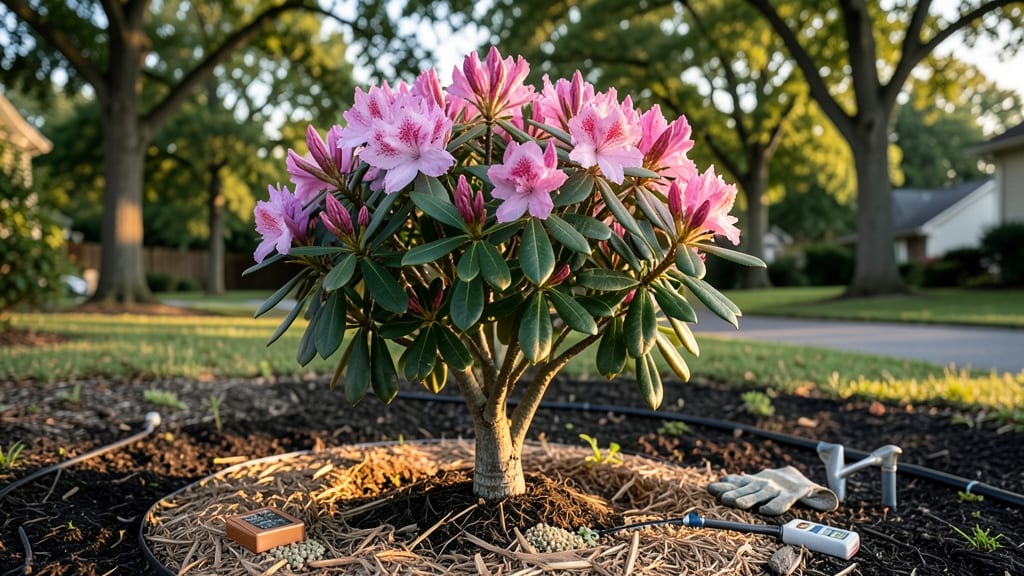
How to keep azaleas alive—your blooming beauties are begging for the right care, but most people overlook the acid-loving secrets that make them thrive. 🌸 I’ve nursed back more than my share of struggling azaleas, and the fix always starts with soil pH, water, and sunlight. One wrong move, and you’re left with yellow leaves or sparse blooms.
The biggest mistake? Assuming azaleas are low-maintenance. They’re not—they demand acidic soil (pH 4.5–6.0), consistent moisture, and partial shade to avoid scorching. Skip any of that, and pests or disease move in like uninvited guests.
But get it right, and you’ll see those signature blooms return year after year.
By the end, you’ll diagnose what’s killing your azaleas—is it root rot from overwatering, powdery mildew from humidity, or nutrient burn from alkaline soil?—and fix it with simple adjustments. No more guessing, just lush foliage and vibrant blooms that neighbors will envy.
This works for container azaleas, in-ground shrubs, or even those stubborn ones that refuse to bloom. Let’s turn your azaleas from struggling survivors to showstopping stars.
📚 In This Guide
- What you need
- Instructions
- Tips and common mistakes
- Wrapping up and next steps
What you need
- ● Below is your must-have
Step-by-step instructions for revitalizing azaleas
Azaleas thrive with the right balance of acid, moisture, and light—here’s how to keep them lush and blooming.
🌿 Step 1: Test and Amend Soil for Acid Lovers
Azaleas demand soil pH between 4.5 and 6.0. Use a soil pH test kit to check your current levels. If your soil is too alkaline (above 7.0), mix in sulfur or peat moss to lower the pH gradually. I like to work 1-2 pounds of elemental sulfur per 100 square feet into the top 6 inches of soil in early spring. Avoid quick fixes like vinegar—it burns roots and disrupts the soil ecosystem.
Work the amendment into the soil until it’s evenly distributed. Water thoroughly to help the sulfur dissolve and spread. You’ll know it’s working when new growth appears bright green (not yellow or purple) within 4-6 weeks. Purple leaves signal too much acidity—cut back on amendments if you see this.
💧 Step 2: Water Deeply and Consistently
Azaleas hate soggy roots but won’t survive drought either. Water deeply once a week (or more in extreme heat) to encourage strong root growth. The top 6 inches of soil should feel dry to the touch before watering again. Use a soaker hose or drip irrigation to deliver water slowly at the base—this prevents fungal diseases that thrive in wet foliage.
Mulch with 2-3 inches of pine bark or pine needles to retain moisture and acidify the soil over time. Keep mulch 6 inches away from the trunk to prevent rot. If your azalea’s leaves turn yellow with brown edges, it’s often a sign of overwatering or poor drainage. Adjust your schedule and ensure pots have drainage holes if container-grown.
☀️ Step 3: Provide the Right Light and Prune for Shape
Azaleas need morning sun and afternoon shade, especially in hot climates. A spot with 3-6 hours of direct sun keeps blooms vibrant without scorching leaves. If your azalea is leggy or sparse, it’s likely getting too much sun. Move it to a sheltered location where it gets dappled light.
Prune after flowering to maintain shape and encourage next year’s blooms. Remove dead, crossing, or weak branches first, then trim back any overgrowth to just above a leaf node. Avoid heavy pruning in late summer—it can stunt flower buds for the following spring. Use sterilized pruners to prevent spreading disease, and dispose of clippings immediately.
✂️ Step 4: Feed with Acidic Fertilizer Twice a Year
Azaleas are heavy feeders but need acid-loving fertilizer to thrive. Apply a slow-release azalea/camellia fertilizer (like Osmocote Azalea & Rhododendron) in early spring and again after blooming. Follow the package rates—over-fertilizing causes leaf burn and root damage. I like to mix a handful of coffee grounds into the soil occasionally for a natural nitrogen boost, but don’t overdo it.
If your azalea’s new growth is pale or stunted, it’s likely nutrient-deficient. Yellow leaves between veins signal iron deficiency, common in alkaline soils. In this case, apply chelated iron according to package instructions. Avoid high-phosphorus fertilizers—they encourage leafy growth at the expense of blooms.
🪴 Step 5: Protect from Pests and Winter Stress
Azaleas attract lace bugs, spider mites, and scale insects. Inspect leaves regularly for tiny webs, speckled yellowing, or sticky residue—these are red flags. Treat infestations early with neem oil or insecticidal soap, applied in the early evening to avoid harming bees. For severe cases, use a systemic insecticide like Imidacloprid, but follow label instructions carefully.
In winter, protect young or newly planted azaleas from freezing winds and frost heave. Wrap the base with burlap or frost cloth if temperatures drop below 20°F. Established azaleas usually handle winter well, but mulch heavily (up to 4 inches) to insulate roots. If you see buds blackening or leaves wilting in spring, it’s often a sign of winter desiccation—water deeply before buds open to revive them.
Tips & tricks for perfect azalea care
Your azaleas need more than just occasional watering—they thrive when you understand their precise needs. Here are the secrets to keeping them vibrant and blooming year after year.
Soil pH Precision: When testing your soil's pH, dig samples from 3-4 inches deep around the plant's base, not just the surface. The ideal range of 4.5 to 6.0 is non-negotiable—any higher, and you'll see those telltale yellow leaves. For established plants, I've found that spreading pine needles or oak leaves around the base creates a natural acid blanket over time. Just remember to keep them 2 inches away from the trunk to prevent rot. The key is patience—water thoroughly after applying to help the acid leach into the root zone gradually.
Light Balance is Everything: Azaleas need that perfect 6-8 hours of morning sun but afternoon shade to prevent leaf scorch. If you're in a hot climate, lightweight shade cloth (30-50%) during peak afternoon hours (12-4 PM) can make all the difference. For container-grown azaleas, I rotate the pot quarter-turn weekly to ensure even light exposure. This simple habit prevents lopsided growth and ensures those buds form uniformly in late spring. Watch closely for buds forming—this is your plant's way of saying "I'm happy!"
Watering Wisdom: The top 2 inches of soil should feel dry before watering, but never let your azaleas sit in standing water. For in-ground plants, aim for 1-1.5 inches of water weekly using a soaker hose or drip irrigation. Containers dry out faster, so check them daily in summer—you'll know they need water when the soil surface pulls away from the pot edges. The goal is consistent moisture without waterlogging, which leads to those dreaded yellowing lower leaves.
Pruning and Pest Prevention: Prune right after flowers fade (late spring to early summer) to encourage next year's blooms. Always trim back to just above a leaf bud, and never prune in fall or winter—you'll be cutting off next year's flower buds. For pests, I inspect leaves weekly in summer, especially the undersides where lace bugs and spider mites hide. Treat early with neem oil or insecticidal soap in the morning to protect bees. A quick wipe with a damp cloth removes sticky honeydew residue that can lead to sooty mold.
Pro Tips for Keep Azaleas Alive
- Your azaleas need more than just occasional watering—they thrive when you understand their precise needs. Here are th...
- Soil pH Precision: When testing your soil's pH, dig samples from 3-4 inches deep around the plant's base, not just th...
- Light Balance is Everything: Azaleas need that perfect 6-8 hours of morning sun but afternoon shade to prevent leaf s...
Frequently asked questions
Got questions about keeping your azaleas thriving? You’re not alone! Here are answers to the most common concerns—so you can enjoy those vibrant blooms year after year.
Why are my azalea leaves turning yellow?
Yellow leaves often signal overwatering or poor drainage. Azaleas hate soggy roots! Ensure your soil is acidic (pH 4.5–6.0) and well-draining. If the soil stays damp for days, repot or add organic matter like pine bark to improve aeration. Check the roots: Healthy roots are firm; mushy roots mean root rot!
Can azaleas survive winter frost?
Most azaleas are hardy to USDA zones 6–9, but young plants or late frosts can damage buds. Protect them with mulch (3–4 inches of pine straw or wood chips) and a light frost cloth if temps drop below 20°F. Prune dead blooms in early spring after frost risk passes to avoid shocking the plant.
What pests should I watch for?
Azaleas attract azalea lace bugs, spider mites, and scale insects. Look for speckled leaves (lace bugs) or sticky residue (scale). Spray with neem oil or insecticidal soap early in the season. For severe infestations, use a systemic pesticide like imidacloprid (follow label instructions).
How often should I fertilize azaleas?
Feed azaleas twice a year: once in early spring (before buds swell) and again in late summer (after blooming). Use an acid-loving fertilizer (like 8-3-9 or 10-6-8) with iron to prevent chlorosis. Skip fertilizing in fall or winter—it stresses the plant!
Why aren’t my azaleas blooming?
No blooms? Check these culprits:
- Too much nitrogen (promotes leaves, not flowers). Switch to a low-nitrogen, high-phosphorus fertilizer.
- Pruning at the wrong time. Never trim after June 15—you’ll cut off next year’s buds!
- Insufficient sunlight. Azaleas need morning sun + afternoon shade.
- Stress from drought or transplant shock. Keep soil consistently moist (not soggy) for 1–2 years after planting.
Can I grow azaleas in containers?
Choose a large pot (12+ inches wide) with drainage holes and use an acidic potting mix (like 50% peat moss + 50% pine bark). Water frequently (containers dry out fast) and fertilize monthly in growing season. Move pots to a shady spot in summer to prevent leaf scorch.
Wrapping up and next steps
Keeping your azaleas thriving is all about understanding their needs—acidic soil, proper sunlight, and consistent care. With the right tools, like mulch, fertilizers, and pest control, you’ll enjoy stunning blooms year after year. Don’t let challenges discourage you; even seasoned gardeners face setbacks—just adjust and keep nurturing!
Ready to put your newfound knowledge to work? Start with a soil test this weekend and give your azaleas the love they deserve! 🌸✨