
Propagation
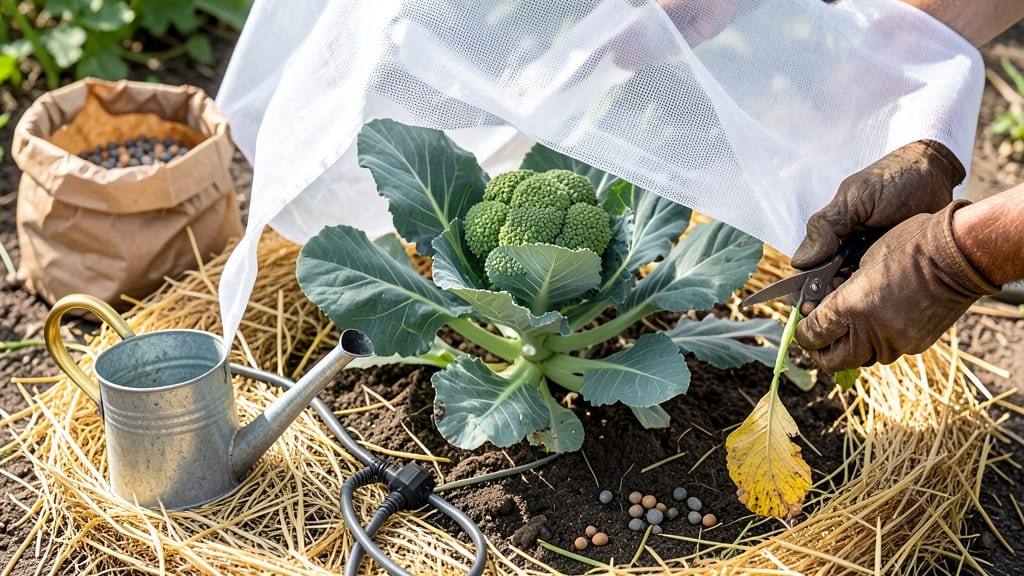
Broccoli plants bolted before I could harvest a single head—until I learned these cool-season secrets. 🌱 The frustration of watching your hard work turn into bitter stems and flowers is real, but the right timing and care can keep your plants producing lush heads all season long.
Bolting happens when broccoli senses heat or stress, triggering a rapid growth spurt that sends up flower stalks instead of edible heads.
The key is to space plants properly (18-24 inches apart), water consistently (1-1.5 inches per week), and choose heat-tolerant varieties like 'De Cicco' or 'Calabrese' if your summers run hot.
You'll notice plants starting to bolt when the lower leaves yellow and the center stem elongates. At that point, harvest any side shoots immediately and consider shading the plant with a lightweight cloth to slow the process.
With the right approach, you can extend your harvest window by 3-4 weeks compared to plants left unchecked.
This method works for both spring and fall plantings, and the principles apply to other brassicas like kale and cabbage too. The payoff? More heads, bigger harvests, and fewer bitter surprises in your garden. Let's get those plants producing!
📚 In This Guide
- What you need
- Instructions
- Tips and common mistakes
- Wrapping up and next steps
What you need
- ● Broccoli plants or seeds: Choose cool-season varieties like Calabrese or De Cicco for best results. Start with 5–10 plants or seeds for a small garden.
- ● Well-draining potting mix or garden soil: Use a high-quality, organic mix (e.g., Miracle-Gro Organic Choice) or amend your garden soil with compost (at least 2–3 inches).
- ● Organic mulch: Straw, shredded leaves, or wood chips (2–3 inches thick) to retain moisture and regulate soil temperature.
- ○ Shade cloth (optional but helpful): 30–50% shade fabric (e.g., GrowGuard) to protect plants from excessive heat.
- ● Drip irrigation system or soaker hoses: For consistent watering without wetting the foliage (10–15 feet of tubing for a small plot).
- ● Garden trowel or transplanting spade: For planting and soil adjustments.
- ● Pruning shears: Sharp, clean shears (e.g., Fiskars) to trim bolts or excess growth.
- ○ Thermometer (optional): A soil or air thermometer to monitor temperatures (aim for 50–75°F for optimal growth).
- ● Gloves and knee pads: For comfort during planting and maintenance.
- ● Cool-season timing: Plant broccoli in early spring (4–6 weeks before last frost) or late summer for a fall harvest.
- ● Sunlight control: Ensure plants get 4–6 hours of morning sun and avoid hot afternoon rays.
- ● Consistent moisture: Keep soil evenly moist (not soggy) to prevent stress-induced bolting.
Tips & tricks for preventing broccoli bolting
Here's what nobody tells you about keeping your broccoli plants cool and productive—these are the details that make all the difference between a bitter harvest and a garden full of lush heads.
Temperature Matters: The 75°F threshold isn't just a number—it's when broccoli's internal clock flips from "produce food" to "reproduce." I've seen plants bolt overnight when temps crept just 2°F above this mark. Use a maximum-minimum thermometer in your garden to track daily highs. If your forecast shows temps hovering around 75°F for more than a day, prepare your shade solutions immediately.
Planting Precision: That 2-3 weeks before last frost window is tighter than it seems. I learned this the hard way when my spring planting got delayed by rain—by the time I got them in the ground, soil temperatures were already 70°F, and my plants bolted within weeks. Check soil temps with a thermometer (they should be below 70°F at planting depth) and consider using black plastic mulch to warm cold soils if you're in a cooler climate.
Shade Strategy: When temps approach 80°F, your shade cloth becomes your broccoli's lifeline. I use 30% shade cloth during heat waves and adjust based on leaf color—wilting means it's time to increase coverage. Pro tip: Secure the edges tightly to prevent hot air from seeping underneath. Also, avoid removing shade cloth until after 4 PM when temps drop below 75°F—afternoon sun is less intense and helps prevent heat shock.
Watering Wisdom: The 1-1.5 inches per week rule is your baseline, but timing matters just as much. I water my broccoli between 6-8 AM when evaporation rates are lowest. For the soaker hose method, run it for 30-45 minutes to ensure even moisture penetration. If you notice yellowing leaves or flower stalks starting to form, cut back to 1 inch per week and check soil moisture at 2-inch depth—uneven moisture is the #1 trigger for bolting.
Pro Tips for Keep Broccoli From Bolting
- Here's what nobody tells you about keeping your broccoli plants cool and productive—these are the details that make all the difference between a bitter harvest and a garden full of lush heads.
- Temperature Matters: The 75°F threshold isn't just a number—it's when broccoli's internal clock flips from "produce food" to "reproduce."
- Planting Precision: That 2-3 weeks before last frost window is tighter than it seems.
Frequently asked questions
Got questions about preventing broccoli bolting? You’re not alone!
Here are the most common concerns—and straightforward answers—to help you keep your broccoli thriving until harvest.
What does "bolting" mean, and why does it happen to broccoli?
Bolting is when broccoli plants suddenly send up a tall flower stalk, often triggered by heat, stress, or age. Cool-season crops like broccoli bolt when temperatures rise above 75°F (24°C) or when they sense shorter daylight hours. It’s their natural way of reproducing, but it ruins the harvest!
How soon after planting can broccoli bolt?
Broccoli can bolt as early as 4–6 weeks if conditions are unfavorable, but it’s more common late in the season (spring or fall) when days lengthen or warm up. Young plants are less likely to bolt if kept cool and well-watered. Monitor soil temps—ideal planting windows are 3–4 weeks before your last frost in spring or 90 days before first frost in fall.
Can I still harvest broccoli if it starts bolting?
Yes! If your plant bolts but hasn’t yet flowered, harvest the main head immediately—it’ll still be tender. Side shoots (smaller florets) may also form and be edible. Once yellow flowers appear, the plant is past its prime for eating, but you can let it go to seed for next year’s garden.
What’s the best way to cool down broccoli plants if it gets too hot?
Use these quick fixes to lower stress:
- Shade cloth: Cover plants with 30–50% shade fabric to block excess sun.
- Mulch: Apply 2–3 inches of straw or grass clippings to keep roots cool.
- Water deeply: Moist soil stays cooler; aim for 1–1.5 inches per week.
- Succession plant: Start a new batch in partial shade if your first crop bolts.
Are there broccoli varieties less likely to bolt?
Look for slow-bolting or heat-tolerant varieties like:
- Waltham 29 (classic, reliable)
- De Cicco (compact, good for containers)
- Calabrese (broccoli raab, faster-maturing)
- Green Goliath (disease-resistant, slow to bolt)
What if my broccoli bolts but I don’t want to replant?
No problem! Let it flower and go to seed—you can:
- Save seeds for next year (let pods dry on the plant).
- Use the flowers in salads (they’re mild and sweet!).
- Compost the plant to enrich your soil.
Wrapping up and next steps
Keeping broccoli from bolting is all about timing, temperature, and a little extra care! By choosing the right varieties, spacing plants properly, and providing consistent cool conditions, you’ll enjoy a bountiful harvest. Don’t let setbacks discourage you—even experienced gardeners face challenges, but persistence pays off!
Ready to put these tips into action? Start by planning your next planting schedule or experimenting with successive sowing to extend your harvest. Happy gardening—your future meals (and green thumbs!) will thank you! 🌱✨