
Pests
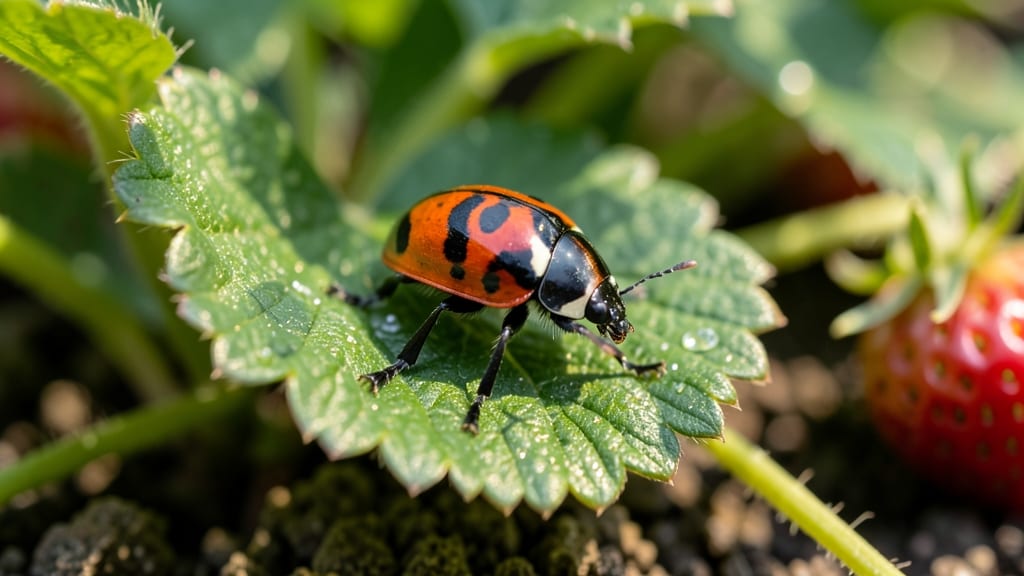
How to keep bugs from eating your strawberries starts with a simple, brutal trick: boiling water. 🌱 I learned this after losing an entire bed to voracious pests last summer—until I poured a smothering barrier around my plants. The method is brutal for larvae but harmless to your berries and soil once cooled.
You’ll need a kettle, a watering can, or even a bucket of freshly boiled water. The key is timing: apply it in the evening when pests are active, targeting the soil around plants—not the leaves.
This works best in spring when larvae first hatch and again after harvest when pests regroup.
Within 24 hours, you’ll see fewer holes in leaves and fewer slime trails at dawn. The barrier doesn’t just kill pests—it disrupts their life cycle, reducing next year’s infestation. Plus, it’s zero-cost and leaves no chemical residue behind.
For stubborn problems, combine this with diatomaceous earth around the base. The boiling water handles the larvae, while the powder stops adult beetles from laying more eggs. Repeat every 2 weeks during peak pest season for foolproof protection.
📚 In This Guide
- What you need
- Instructions
- Tips and common mistakes
- Wrapping up and next steps
What you need
- ● Boiling water: At least 2–3 gallons (enough to cover a 1–2 ft perimeter around your strawberry patch).
- ○ Garden hose: With a sprayer nozzle (optional but helpful for precision).
- ● Strawberry plants: Healthy, established plants (preferably in a raised bed or container for easier access).
- ● Protective gear: Garden gloves (to avoid burns).
- ● Long sleeves/pants (for safety).
- ● Closed-toe shoes (boiling water is no joke!).
- ● Thermometer: To check water temp (aim for 212°F+ for maximum effectiveness).
- ● Drip irrigation or soaker hose: To keep plants hydrated post-treatment.
- ● Row covers (floating fabric): Lightweight agricultural fabric to protect plants while they recover.
- ● Neem oil or insecticidal soap: For a preventative spray before applying boiling water.
Step-by-Step instructions for creating a boiling water barrier against strawberry pests
Here's the foolproof method I use to smother larvae and deter bugs without chemicals.
🌱 Step 1: Identify and Clear Existing Pest Activity
Start by examining your strawberry plants carefully. Look for chewed leaves, tiny holes in fruit, or white webbing—these are dead giveaways of pests like slugs, cutworms, or spider mites. I always check the undersides of leaves first, where many larvae hide.
Remove any visibly damaged leaves or fruit with a small pair of pruners. Drop them into a sealed bag for composting or disposal. This prevents pests from spreading to other parts of the plant. I also gently shake plants over a bucket of soapy water to dislodge any visible larvae or eggs—this is the best way to reduce their numbers before applying the boiling water barrier.
💧 Step 2: Prepare the Boiling Water Solution
Fill a large pot with 2-3 gallons of water and bring it to a full rolling boil. I use a heavy-duty pot with a pouring spout for easier application. Boiling water is key because it kills larvae on contact and creates a steam barrier that pests avoid.
While waiting, mix 1 tablespoon of dish soap into the boiling water. The soap helps break down the waxy coatings on many pests and ensures the water clings to leaves and soil rather than rolling off. Be careful—never add soap to cold water, as it can create a toxic reaction.
☀️ Step 3: Apply the Boiling Water Barrier at the Right Time
Wait until late afternoon when the plants have dried from morning dew. This ensures the water will stay where you pour it rather than evaporating immediately. I focus on pouring the boiling water in a 1-inch wide band around the base of each plant, creating a protective barrier.
Pour slowly and deliberately, letting the water soak into the soil. You'll see steam rise from the ground—this is your signal that the barrier is working. Avoid pouring directly on leaves, as the heat can damage them. Instead, concentrate on the soil and the lower stems where pests hide.
✂️ Step 4: Maintain the Barrier and Monitor for Pests
Reapply the boiling water treatment every 7-10 days or after heavy rain, which can dilute the barrier. I set a reminder in my gardening journal to stay consistent. After each application, inspect the plants for any new signs of pest activity.
If you notice pests returning, increase the frequency to every 5-7 days. This method works best when combined with other organic practices, like mulching with straw to deter slugs or introducing beneficial insects like ladybugs. The boiling water alone won't eliminate all pests, but it significantly reduces their numbers and protects your strawberries.
🌿 Step 5: Protect New Growth and Fruit
Once your strawberries start flowering and fruiting, focus on applying the boiling water barrier around the outer edges of the bed rather than the center. This prevents pests from migrating inward while allowing pollinators like bees to access the flowers.
I also use a fine mesh row cover over the plants during peak pest seasons. This adds an extra layer of protection without harming the plants. The combination of the boiling water barrier and physical protection keeps my strawberries nearly pest-free, resulting in sweeter, healthier fruit.
Tips & tricks for effective strawberry pest control
This method works best when you pay attention to the details—here's how to maximize your success.
Timing is Everything: The late afternoon application in Step 3 is critical because morning dew creates a natural barrier that makes the boiling water evaporate too quickly. I've found that applying between 4-6 PM gives the water time to soak into the soil and create that protective steam barrier before evening temperatures drop. This timing also helps prevent accidental burns to new growth that might still be damp from morning dew.
Soap Selection Matters: While any dish soap will work, I recommend using a mild, plant-safe variety like Castile soap for Step 2. The soap's purpose is to break down the waxy coatings on pests and help the water cling to surfaces—harsh soaps can actually harm your plants over time. Test a small amount on a leaf first to ensure it won't cause any irritation.
Equipment Upgrade: For Step 2, consider using a watering can with a narrow spout instead of a heavy pot. It gives you more control when applying that 1-inch band of boiling water around plant bases in Step 3. I've ruined a few plants trying to pour precisely from a pot—this simple upgrade makes all the difference. The key is slow, deliberate pouring to let the water soak in rather than run off.
Rainy Day Strategy: If you notice pests returning after heavy rain (which dilutes the barrier), don't wait for the full 7-10 day schedule in Step 4. Reapply immediately after rain—even if it's just a light sprinkle. The soil's moisture content changes dramatically after rain, and pests can sense this. I keep a small thermos of pre-mixed boiling water solution ready during peak pest seasons just in case.
Pro Tips for Keep Bugs From Eating Strawberries
- This method works best when you pay attention to the details—here's how to maximize your success.
- Timing is Everything: The late afternoon application in Step 3 is critical because morning dew creates a natural barrier that makes the boiling water evaporate too quickly.
- Soap Selection Matters: While any dish soap will work, I recommend using a mild, plant-safe variety like Castile soap for Step 2.
Frequently asked questions
When is the best time to apply the boiling water barrier?
The best time to apply the boiling water barrier is early morning or late evening when temperatures are cooler and bugs are less active. This ensures the larvae are exposed to the treatment while minimizing stress to your plants. Aim for before rain to let the barrier dry and work effectively for 24–48 hours.
Will boiling water harm my strawberry plants?
When applied correctly, boiling water targets only the soil surface and larvae—it won’t damage the roots or foliage. However, avoid pouring it directly on leaves or stems. Stick to the soil around the base of plants, and dilute slightly (e.g., 1 part boiling water to 1 part cool water) if your soil is delicate or sandy.
How often should I reapply the boiling water treatment?
Reapply the boiling water barrier every 7–10 days during peak bug season (spring to early summer) or after heavy rain washes it away. For severe infestations, you may need weekly treatments until larvae populations decline. Monitor your plants and adjust frequency as needed.
Are there non-boiling water alternatives if I don’t have access to it?
Yes! Try these natural alternatives:
- Diatomaceous earth (DE): Sprinkle food-grade DE around plants—it dehydrates larvae without harming plants.
- Neem oil spray: Mix with water and spray on soil/leaves to repel bugs and disrupt their life cycle.
- Row covers: Use lightweight fabric to physically block pests while allowing sunlight and water through.
What should I do if bugs return after treatment?
If pests persist, inspect for hidden larvae (check under leaves or in soil crevices). Boost defenses by:
- Adding companion plants like mint or thyme to repel bugs.
- Improving soil drainage to reduce moisture-loving larvae.
- Using sticky traps near plants to catch adult flies.
Wrapping up and next steps
Keeping bugs away from your strawberries doesn’t have to be a battle—with a simple boiling water barrier, you can smother larvae naturally while protecting your harvest. This method is effective, chemical-free, and easy to maintain, ensuring your berries stay plump and pest-free. 🌱
Now that you’re armed with the know-how, take action this weekend! Try the boiling water trick on a small patch first, then expand as you see results. Happy gardening—and enjoy those sweet, bug-free strawberries! 🍓