
Pests
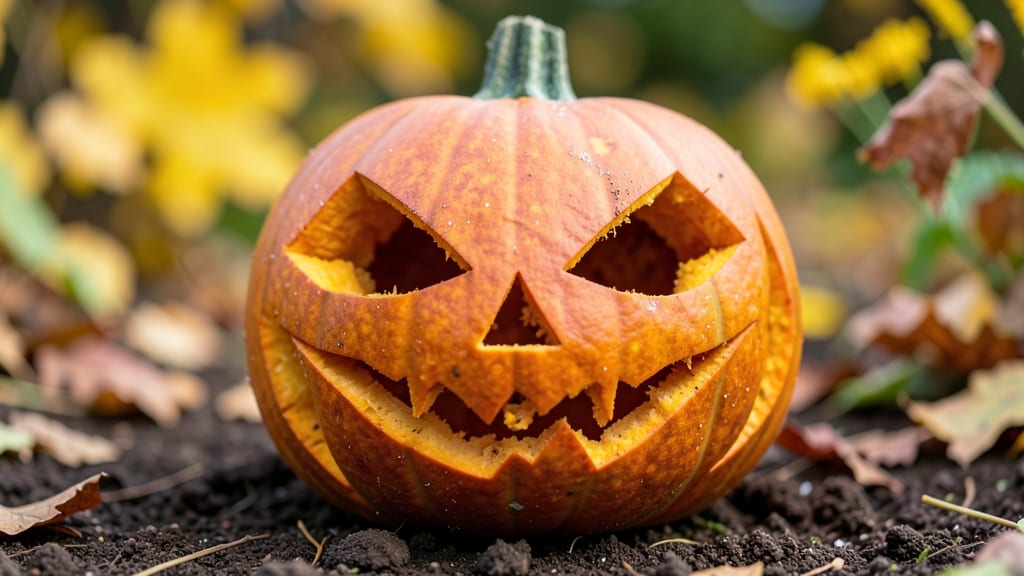
How to keep bugs off carved pumpkins—your jack-o’-lantern turns into a bug buffet overnight, and it’s the Halloween horror no one warns you about until it happens. The good news? A simple citrus-spice barrier keeps those flies and beetles away without chemicals or fancy tools.
Start with a mix of orange peels (citrus repels insects) and cinnamon or cloves (spices confuse their scent trails). Place them inside the pumpkin before carving, or spray a diluted vinegar-water solution (1:1 ratio) on the carved surfaces. Reapply every 2-3 days—it’s the secret to keeping your jack-o’-lantern fresh.
For longer storage, keep pumpkins in a cool, dry place (like a garage) or refrigerate them overnight. If they’re already infested, freeze them for 24 hours—it kills bugs without damaging the carving. The key? Act fast before those pests turn your masterpiece into a snack.
Works for any pumpkin—small, large, or even painted. No more waking up to a pumpkin full of flies. Here’s how to make it last the whole season.
The Real Culprits Behind Pumpkin Invaders
Carved pumpkins aren’t just spooky decorations—they’re all-you-can-eat buffets for hungry bugs and pests. 🪰🍂 Once you slice into that sweet, stringy flesh, you’re essentially rolling out the welcome mat for insects that see your pumpkin as a five-star hotel.
But why do they flock to your jack-o’-lantern in the first place? Let’s break down the science behind the chaos.
Pumpkins are nature’s candy—packed with natural sugars like glucose, fructose, and sucrose. When you carve one, you expose the richest, most accessible food source in your yard. Here’s how it works:
- Fermentation starts fast: Once cut, pumpkin flesh begins breaking down, releasing even more sugars as it ferments. This creates a sweet, yeasty aroma that bugs can detect from yards away.
- Moisture = bug paradise: Fresh pumpkin flesh has a 90% water content. This hydration is a critical survival factor for insects like fruit flies, beetles, and even ants, which need moisture to thrive.
- Fruit flies (Drosophila) are the first to arrive: These tiny, winged pests can detect fermenting fruit from up to 3 miles away (yes, really!). Within 24 hours of carving, they’ll swarm your pumpkin like it’s a nightclub.
Pro tip: 💡 If your pumpkin starts smelling sour or fruity, that’s your cue—bugs are already on their way.
Unlike a sealed whole pumpkin, a carved one is wide open to the elements. Bacteria and fungi move in quickly, accelerating decay. Here’s what happens:
| Days After Carving | What’s Happening Inside | Bugs Attracted |
|---|---|---|
| Day 1-2 | Surface dries slightly; sugars concentrate near the cut edges. | Fruit flies, gnats, and small beetles. |
| Day 3-5 | Flesh softens; fermentation kicks in, releasing ethanol (yes, like beer!). | Drain flies, fungus gnats, and even rodents (if left outside). |
| Day 6+ | Mold and bacteria spread; pumpkin becomes a liquid sludge. | Maggots, ants, and larger pests like raccoons. |
Why it matters: The longer you wait to treat your pumpkin, the more attractive it becomes to pests. Think of it like a rotting apple in your fruit bowl—except this one’s outside, and the bugs are way more aggressive.
You might assume bugs are just drawn to the food, but light and warmth play a surprising role too:
- LED/candle light = insect nightclub: Many bugs, like moths and beetles, are positively phototactic—they’re drawn to light sources. A glowing jack-o’-lantern? Instant party.
- Body heat from candles: The warmth radiating from a lit pumpkin can speed up fermentation, making the sugars break down even faster and release more enticing odors.
- Carbon dioxide buildup: As the pumpkin decays, it releases CO₂, which some insects (like fruit flies) use to navigate toward food sources.
Fun fact: 🔥 Some species, like carpenter bees, are also attracted to the texture of carved pumpkins—they mistake the grooves for potential nesting sites!
Even if your pumpkin is the only one on the block, your yard’s existing pest population will rush to the rescue. Here’s how local critters turn your decoration into a community project:
- Ant highways: If ants find your pumpkin, they’ll recruit thousands of colony mates within hours. They’re not just eating the flesh—they’re farming it for other pests.
- Fungal spores in the air: Mold spores land on your pumpkin within minutes of carving. These spores attract fungus-loving insects, like gnats and certain beetles.
- Neighboring decay: If you have compost piles, fallen leaves, or other rotting organic matter nearby, bugs will treat your pumpkin like a fast-food drive-thru on their way to bigger meals.
Key takeaway: 🌡️ The healthier your yard’s ecosystem is (i.e., the more natural decay sources exist), the harder it’ll be to keep bugs off your pumpkin.
Quick Fixes for Bug-Free Pumpkins
Now that you know why pests are crashing your Halloween display, let’s tackle how to stop them—fast and effectively. Below are targeted solutions mapped to common causes, from quick fixes to long-term prevention. Think of these as your pumpkin’s armor against creepy crawlies!
Fix: Seal the deal with a spice-and-citrus barrier—the secret weapon in this article!
- Citrus Spray Shield 🍊🔥
- Mix 1 cup water + 1 tbsp lemon or orange peel oil + 1 tsp cayenne pepper in a spray bottle.
- Lightly mist the inside of the pumpkin (avoid over-saturating—moisture attracts mold).
- Why it works: The acidity and capsaicin confuse bugs’ scent trails, while the oil leaves a lingering "do not enter" signal.
- Dry Spice Dust 🌶️✨
- Sprinkle a thin layer of cayenne pepper or paprika inside the pumpkin before carving.
- For extra oomph, add ground cinnamon or cloves (bonus: smells festive!).
- Pro tip: 💡 Use a sieve to avoid clumps—bugs hate the texture too!
- Paraffin Wax Seal 🕯️🔒
- Melt 1 tbsp paraffin wax (or beeswax) with 1 tsp citrus oil in a double boiler.
- Brush a thin layer on the carved edges—it creates a waterproof, bug-repellent barrier.
- Warning: ⚠️ Test on a small area first (some pumpkins stain easily).
Fix: Physical barriers to block entry points without sacrificing spooky vibes.
- Netting or Mesh 🕸️🛡️
- Stretch fine mesh netting (like tulle or window screen) over the pumpkin’s opening.
- Secure with hot glue or floral wire—just leave a small gap for the candle flame.
- Bonus: 🎃 Use black netting for a gothic look!
- Plastic Wrap Trick 🍿🔄
- Line the inside with plastic wrap (smooth side out) before carving.
- Poke small holes for the candle—bugs can’t grip the slick surface.
- Swap daily if the pumpkin sits outside in damp weather.
- Candle Guard 🕯️🛡️
- Place a small wire mesh screen (like a tea strainer) over the candle’s flame.
- This keeps bugs out and prevents soot from ruining your design.
Fix: Dry out the pumpkin and create an unwelcoming environment.
- Silica Gel Packs 💧➡️🌵
- Tuck 2–3 silica gel packets (the kind for shoes or electronics) inside the pumpkin.
- Replace every 3–4 days if the air feels damp.
- Where to get them: 🛒 Hardware stores or buy online (label them "DO NOT EAT").
- Baking Soda Boost 🧼🌬️
- Sprinkle 1 tsp baking soda inside the pumpkin—it absorbs moisture and neutralizes odors that attract pests.
- Extra tip: 🌡️ Place a small dish of dry rice near the pumpkin to further reduce humidity.
- Ventilation Hacks 💨🎃
- Drill tiny holes (1/8 inch) near the base of the pumpkin to improve airflow.
- Elevate the pumpkin on a tray or stand to prevent water pooling.
Fix: Rotate and refresh to keep bugs at bay over weeks.
- Weekly Spice Refresh 📅🌶️
- Reapply citrus spray or dry spices every 3–4 days, especially if the pumpkin’s outside.
- Quick swap: Replace the candle with a LED tea light (cooler = less bug attraction).
- Shorten the Show ⏳🎃
- Display carved pumpkins for no more than 10–14 days—after that, bugs get bolder!
- Alternative: Freeze uncarved pumpkins for 24 hours before displaying to kill hidden pests.
- Nighttime Retreat 🌙🏠
- Bring pumpkins indoors overnight if possible—most bugs are nocturnal.
- Indoor tip: 🏠 Place them on a tray lined with paper towels to catch drips.
- Choose the right pumpkin: 🎯 Opt for smaller, denser varieties (like Sugar Pie or Cinderella)—their thicker walls resist rot and pests.
- Wash first: 🚿 Scrub the pumpkin with soapy water before carving to remove dirt (bugs love hiding in crevices).
- Carve strategically: 🔪 Leave thicker walls where possible—thin cuts = faster spoilage.
- Store smart: 🧊 If prepping ahead, refrigerate carved pumpkins (uncarved ones last longer at room temp).
Final Reminder: Bugs hate spice, citrus, and dryness—so lean into those! With these fixes, your pumpkin will stay fresh, festive, and fly-free until the last trick-or-treater passes by. 👻🚫🐛
Frequently asked questions
Can I use essential oils like peppermint or eucalyptus instead of citrus?
Yes! Peppermint and eucalyptus oils are excellent alternatives. Mix 5-10 drops with 1 cup water and spray inside the pumpkin. These oils repel bugs effectively, but avoid over-saturating—moisture attracts mold. Reapply every 2-3 days for best results.
What if my pumpkin already has bugs inside? How can I clean it?
Freeze it for 24 hours—this kills bugs and eggs without damaging the pumpkin. After thawing, scrub the inside with a vinegar-water solution (1:1 ratio) to remove residue. For stubborn pests, use a soft brush or toothbrush to dislodge debris before reapplying your bug-repellent barrier.
Will these methods work for painted pumpkins too?
Painted pumpkins need the same protection—just avoid spraying citrus or spice solutions directly on painted surfaces. Instead, use dry spices inside or a mesh barrier over the opening. For extra safety, test any spray on a small painted area first to check for color fading.
Are there any pet-safe solutions if I have dogs or cats around?
Yes! Stick to food-grade diatomaceous earth (DE) or plain baking soda—both are pet-safe when used as directed. Avoid essential oils (especially tea tree or citrus) and sprays with alcohol. For physical barriers, use mesh netting or plastic wrap, which are completely safe for pets.
How long can I realistically expect my carved pumpkin to last?
With proper care, most treated pumpkins last 10-14 days outside. For indoor displays, they can last 2-3 weeks longer since they're protected from humidity and temperature swings. The key is daily maintenance—refreshing spice barriers and checking for moisture buildup.