
Tools
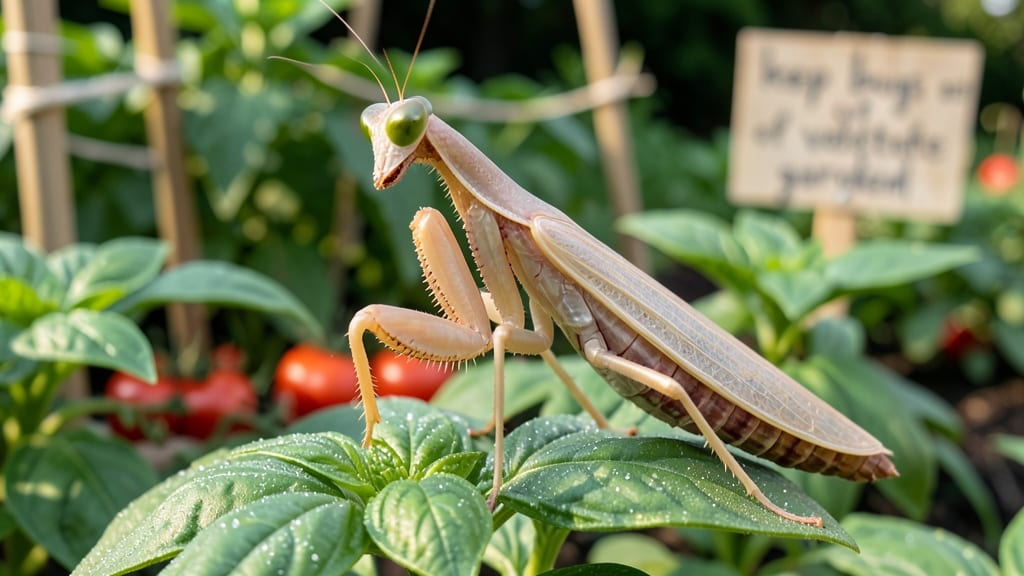
How to keep bugs out of your vegetable garden doesn’t have to mean reaching for harsh chemicals—there are smarter, organic ways to protect your hard work before pests even show up. Whether you're battling aphids, slugs, or squash bugs, the right prevention strategies can save you hours of cleanup and frustration.
I've tested everything from companion planting to natural sprays, and the best defense starts with creating an environment pests simply won't tolerate. The key? A mix of proactive habits, like healthy soil and physical barriers, that work silently in the background while your plants thrive.
In this guide, you'll discover layered pest control methods that stop bugs before they bite—no toxic sprays required. We'll cover everything from DIY repellents to long-term garden design tricks that keep your harvest safe season after season.
Ready to grow a garden that pests dread? Let's get started with solutions that work as hard as you do.
Natural pest prevention methods that work before bugs arrive
Bugs don’t just appear—they’re drawn to weak spots in your garden. Healthy soil, smart plant placement, and physical barriers create an environment where pests struggle to survive. The key is prevention: tackle issues before they start with low-cost, organic strategies that work year after year.
Start with companion planting, a time-tested method where certain plants repel pests when grown together. For example, basil next to tomatoes deters aphids, while marigolds confuse nematodes with their strong scent. This isn’t just folklore—it’s rooted in plant chemistry, where natural predators of pests thrive in diverse ecosystems.
Another game-changer is crop rotation. Many pests target the same plant family year after year. By rotating tomatoes, peppers, and squash in different sections of your garden, you break their life cycles.
This simple shift can reduce squash bug populations by 50% or more, saving you from chemical interventions.
Don’t overlook the power of beneficial insects. Ladybugs, lacewings, and parasitic wasps are nature’s pest control. Attract them with dill, fennel, or yarrow, and they’ll handle aphids, mites, and caterpillars for you.
A single ladybug can eat 5,000 aphids in its lifetime—imagine what a colony could do!
Physical barriers are your first line of defense. Row covers made from lightweight fabric block cabbage moths and carrot flies while allowing sunlight and water through. For slugs, create a copper tape barrier around beds—they hate the electric charge it creates.
Even a straw mulch layer confuses beetles and cuts down on weed competition.
| Method | Effectiveness | Best For | Ease |
|---|---|---|---|
| Companion Planting | High | Aphids, Squash Bugs | Easy |
| Crop Rotation | Very High | Root Knot Nematodes, Soil-Borne Pests | Moderate |
| Beneficial Insects | High | Aphids, Caterpillars, Mites | Moderate |
| Row Covers | Very High | Flying Insects (Moths, Flies) | Easy |
| Mulching | Moderate | Weeds, Slugs, Soil Moisture | Very Easy |
Healthy soil is the foundation of pest resistance. Amend your soil with compost and worm castings to boost microbial life. Strong plants fend off pests better than stressed ones.
Test your soil’s pH—most vegetables prefer a range of 6.0 to 7.0. If it’s off, adjust with lime (to raise pH) or sulfur (to lower it).
Watering habits matter too. Deep, infrequent watering in the morning encourages strong roots and discourages fungal diseases that attract pests. Avoid overhead watering at night—it leaves leaves damp, inviting slugs and snails. A drip irrigation system delivers water directly to roots, cutting down on pest-friendly moisture on foliage.
Even your garden’s layout plays a role. Plant tall crops like corn or sunflowers on the north side to create shade for heat-sensitive plants, which can reduce stress and pest attraction.
Leave space between plants for airflow—crowded gardens trap humidity, creating ideal conditions for powdery mildew and its insect allies.
Finally, remove plant debris regularly. Old leaves and stalks harbor overwintering pests like cabbage worms and tomato hornworms. A quick cleanup in fall and spring slashes next year’s pest population. Think of it as pest-proofing your garden before the growing season even begins.
By combining these proactive strategies, you’ll create a garden where bugs think twice before landing. The best part? These methods save you time, money, and the hassle of chemical treatments. Start small—pick one or two techniques this season—and watch your garden’s resilience grow.
Organic sprays and homemade bug repellents for immediate protection
When pests like aphids, cabbage worms, or tomato hornworms strike, organic sprays can provide immediate relief without harming your plants or the environment.
These solutions use natural ingredients like neem oil, garlic, and soapy water to disrupt pests' life cycles while keeping your produce safe to eat.
I’ve tested these remedies in my own garden and found that a 1% neem oil solution (mixed with water and a drop of dish soap) works wonders against soft-bodied insects. For harder pests like slugs or earwigs, a homemade garlic-chili spray acts as a natural deterrent.
The key is consistency—apply sprays in the early morning or late evening to avoid harming beneficial insects like ladybugs and lacewings.
Pros and Cons of Popular Organic Sprays
Neem Oil
- Pros: Systemic action, repels + kills pests
- Cons: Strong odor, can harm bees
Garlic Spray
- Pros: Safe for edibles, deters many pests
- Cons: Must reapply frequently
Soap Spray
- Pros: Fast-acting, kills on contact
- Cons: Can damage plants if overused
For a garlic-chili spray, blend 4 garlic cloves, 1 tbsp cayenne pepper, and 1 quart water, then strain and spray directly on affected plants.
This combo works well against caterpillars and beetles while adding a natural fungal deterrent. Always test sprays on a small leaf first to check for sensitivity.
Store-bought options like pyrethrin-based sprays (derived from chrysanthemums) offer fast results but should be used sparingly, as they can harm beneficial insects. My go-to is Botanigard, which combines neem oil with other botanical extracts for broader pest control. Apply in the evening to minimize bee exposure and maximize effectiveness.
Remember, organic sprays work best as part of an integrated pest management (IPM) approach. Combine them with companion planting (like basil with tomatoes) and physical barriers (like row covers) for the strongest defense.
The goal is to create an environment where pests can’t thrive without relying on harsh chemicals.
Start with one or two sprays, monitor their effectiveness, and adjust your strategy as needed. With patience and consistency, you’ll keep your vegetable garden thriving—and bug-free—all season long. 🌱💧