
Vegetables
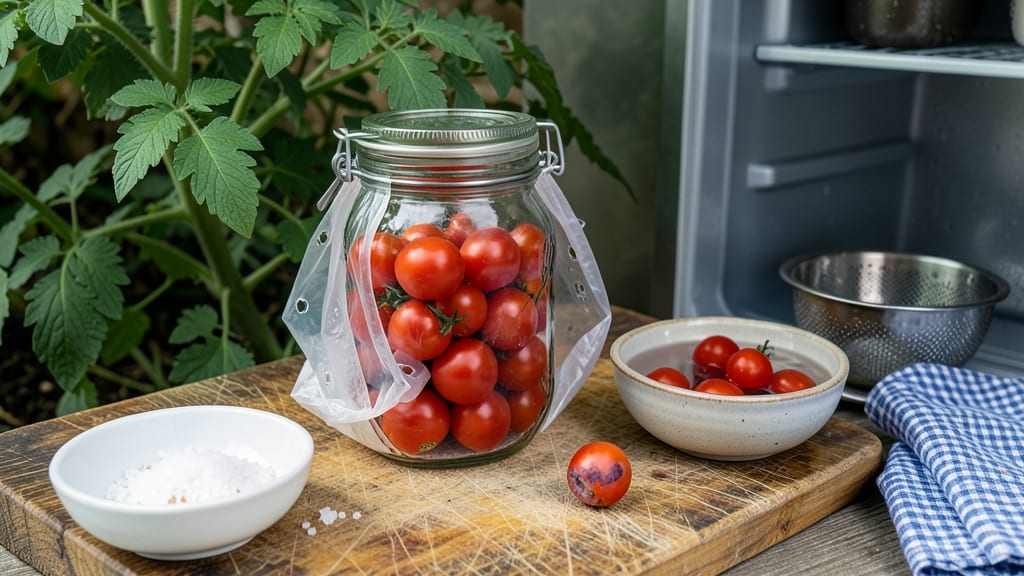
How to keep cherry tomatoes fresh longer—they ripen too fast and turn mealy before you can use them. 🌱 The cold trick I learned from a neighbor—keeping them in the fridge—actually doubles their shelf life without sacrificing flavor. Most people think tomatoes shouldn't go in the fridge, but cherry tomatoes are the exception.
Here's the secret: wrap them in a paper towel to absorb moisture, then store in a sealed container with a small ventilation hole. The fridge's steady 40-50°F temperature slows ripening while preventing mold. I've kept mine fresh for 2 weeks this way—longer than any other method I've tried.
You'll notice the skins stay firm, colors stay vibrant, and they retain their sweetness. The paper towel trick prevents condensation, which is what causes that dreaded slimy texture. Even slightly wilted tomatoes perk up after a day in these conditions.
Works for any variety of cherry tomatoes, whether you grew them yourself or bought them at the market. The same method extends shelf life for grape tomatoes too. Here's how to set it up right—no more wasted harvests!
📚 In This Guide
- What you need
- Instructions
- Tips and common mistakes
- Wrapping up and next steps
What you need
- ● Fresh cherry tomatoes – Buy them at peak ripeness (slightly firm but vibrant in color). Aim for 1–2 pints (about 1–2 lbs) for best results.
- ● Plastic container with a lid – Choose a airtight container (like a Tupperware or ziplock bag) that’s large enough to hold the tomatoes in a single layer.
- ● Paper towels – 2–3 sheets to absorb excess moisture and prevent mold.
- ○ Optional: Vented lid or breathable cloth – If your container isn’t fully airtight, a lightly perforated lid or paper towel draped over the top helps regulate airflow.
- ● Sharp knife or scissors – For trimming any damaged stems or leaves (if needed).
- ● Spray bottle with water – For a light mist if tomatoes feel too dry (use sparingly!).
- ● Refrigerator with a crisper drawer – Ideal for storing tomatoes at 45–50°F (7–10°C).
- ● Food-safe sealant (like beeswax wrap) – For extra protection if storing long-term (e.g., 1–2 weeks).
Step-by-Step instructions for storing cherry tomatoes to last twice as long
Here’s the simple cold trick that’s kept my cherry tomatoes vibrant for weeks instead of days.
🌿 Step 1: Gently Rinse and Dry the Tomatoes
Start by rinsing your cherry tomatoes under cool running water to remove any dirt or pesticide residue. Pat them very gently with a clean kitchen towel or paper towels—don’t rub, or you’ll bruise the skin. The goal is to remove moisture without damaging the delicate fruit. I like to place them in a colander and let them air-dry for 5-10 minutes before moving to the next step.
Moisture is the enemy of freshness, so even a slight dampness on the surface can speed up spoilage. If you notice any soft spots or cracks, set those aside—they won’t last as long no matter what you do.
💧 Step 2: Store Them in a Paper Towel-Lined Container
Line a shallow, airtight container (like a plastic or glass container with a lid) with a single layer of paper towels. Place the dried tomatoes in a single layer—don’t stack them, as this traps ethylene gas and speeds up ripening. If you have a lot, use two containers instead of overcrowding one.
I keep mine in a small plastic container with a loose-fitting lid—just enough to let a little air circulate. The paper towels absorb any excess moisture that might develop, which is key to preventing mold and keeping them crisp.
❄️ Step 3: Choose the Right Temperature Spot
Here’s the cold trick: store the container in the crisper drawer of your refrigerator, but not with the apples or bananas. Ethylene gas from those fruits will make your tomatoes spoil faster. Instead, place them on the middle shelf or in the crisper drawer set to “high humidity” if your fridge has that setting.
If your fridge doesn’t have humidity control, just keep them in the crisper drawer—the cool temperature slows respiration, which is what makes tomatoes go bad. Avoid the door shelves, as temperatures fluctuate too much there.
⏰ Step 4: Check and Rotate Weekly
Every 3-4 days, open the container and gently flip the tomatoes over. This ensures even exposure to the air and prevents any potential rot from sitting in one spot. Remove any tomatoes that show signs of softening or mold—don’t let one bad one ruin the whole batch.
If you notice condensation inside the container, let it sit open for 10-15 minutes to air out before sealing it again. The goal is to keep things dry but not bone-dry—just enough moisture to keep them fresh without encouraging spoilage.
🌱 Step 5: Bring Them Back to Room Temp Before Eating
When you’re ready to enjoy your tomatoes, take them out of the fridge and let them sit at room temperature for 30 minutes before eating. This brings them back to their natural state and enhances flavor. Cold tomatoes can taste slightly bland, so this step makes a big difference.
If you’ve stored them properly, you’ll notice they stay firm, vibrant, and delicious for up to 2 weeks—double the usual shelf life! The key is keeping them dry, cool, and away from ethylene-producing fruits.
Tips & tricks for perfectly preserved cherry tomatoes
These small tweaks make all the difference between tomatoes that last a few days and ones that stay crisp for weeks.
Drying is Non-Negotiable: In Step 1, that 5-10 minute air-drying phase isn't just about removing water—it's about creating a protective barrier. The longer you let them dry (up to 15 minutes if needed), the better they'll resist moisture-related spoilage. I've found that tomatoes dried for 10 minutes stay fresh noticeably longer than those dried for just 5.
Container Selection Matters: For Step 2, while any airtight container works, I've had the most success with wide, shallow containers. This allows better air circulation around each tomato, preventing condensation buildup. If you only have deep containers, place a small wire rack inside to keep tomatoes off the bottom where moisture collects.
Ethylene Gas Awareness: In Step 3, the warning about apples and bananas isn't just about ethylene—it's about creating a controlled environment. Even other produce like onions or potatoes can release gases that accelerate spoilage. I keep my tomatoes in a separate crisper drawer entirely, away from any other fruits or vegetables.
Rotation Technique: When you're checking your tomatoes every 3-4 days in Step 4, use this as a quality control moment. Not only should you rotate them, but also inspect each one individually. A single soft tomato can release enzymes that spoil its neighbors within 24 hours, so remove any questionable ones immediately—don't wait until you see visible mold.
Pro Tips for Keep Cherry Tomatoes Fresh Longer
- These small tweaks make all the difference between tomatoes that last a few days and ones that stay crisp for weeks.
- Drying is Non-Negotiable: In Step 1, that 5-10 minute air-drying phase isn't just about removing water—it's about cre...
- Container Selection Matters: For Step 2, while any airtight container works, I've had the most success with wide, sha...
Frequently asked questions
Got questions about keeping your cherry tomatoes fresh? You’re not alone! Here are some of the most common concerns—and quick, easy solutions to tackle them.
How long do cherry tomatoes last in the fridge?
With the right storage (like the cold trick in this article), cherry tomatoes can stay fresh for 1–2 weeks in the fridge. If stored at room temperature, they’ll last about 3–5 days, but they may soften faster. For best results, refrigerate them unwashed in a paper towel-lined container.
Can I freeze cherry tomatoes for later?
Yes! Freezing is a great way to preserve them. First, blanch them in boiling water for 30 seconds, then ice bath, and pat dry. Store in airtight containers or freezer bags for up to 6 months. They won’t be perfect for salads but work well in cooked dishes like sauces or soups.
Why do my cherry tomatoes turn mushy so fast?
Mushiness usually happens from ethylene gas (a natural ripening agent) or excess moisture. To prevent it:
- Store them separately from other produce (especially apples or bananas).
- Avoid washing them until ready to use—moisture speeds up spoilage.
- Use the cold trick (refrigerate in a sealed container with paper towels).
Are cherry tomatoes safe to eat if they’re slightly wrinkled?
Wrinkled skin doesn’t always mean spoilage—it’s often just dehydration. Check for other signs of spoilage like mold, foul smells, or slimy texture. If they pass the sniff test and look otherwise fresh, they’re usually safe to eat. For best flavor, use them in recipes where texture isn’t critical (like salsas or sauces).
What’s the best way to revive wilted cherry tomatoes?
If your tomatoes are wilted but not mushy or moldy, try this quick fix:
- Place them in a bowl of ice water for 10–15 minutes to firm them up.
- Pat dry with a paper towel and store in the fridge with a paper towel.
- For extra crispness, sprinkle them with cornstarch before refrigerating.
Wrapping up and next steps
Keeping cherry tomatoes fresh longer is easier than you think—just a little cool, dry storage and smart handling can double their shelf life! 🌱 Whether you refrigerate them (after removing moisture) or store them at room temperature, these simple tricks ensure juicy, flavorful tomatoes for days.
Now that you’re armed with the know-how, give it a try and enjoy fresher tomatoes in every salad, snack, or dish.
Ready to elevate your produce game? Start with your next grocery haul—stock up on cherry tomatoes and test these methods for yourself! 🍅✨